Remote patient monitoring (RPM) is revolutionizing healthcare. It enhances patient care by using technology to track health metrics. Dr. John Smith, an expert in telemedicine, asserts, "Remote patient monitoring is essential for those with chronic conditions." This statement encapsulates the potential benefits of RPM.
Who can benefit from remote patient monitoring? Various groups, including elderly patients, those with chronic illnesses, and individuals in rural areas, stand to gain significantly. RPM enables continuous health monitoring from home, reducing the need for frequent hospital visits. This technology offers convenience and accessibility, fundamental for improving patient outcomes. However, the adoption of RPM is not without challenges.
Many health systems struggle to implement these solutions effectively. There are issues with technology integration and data security that demand careful consideration. It is crucial to assess the readiness of both healthcare providers and patients. Additionally, not everyone may have access to the necessary technology. Acknowledging these imperfections is vital in creating an inclusive RPM framework. Understanding who can benefit from remote patient monitoring is just the beginning of this evolving conversation.
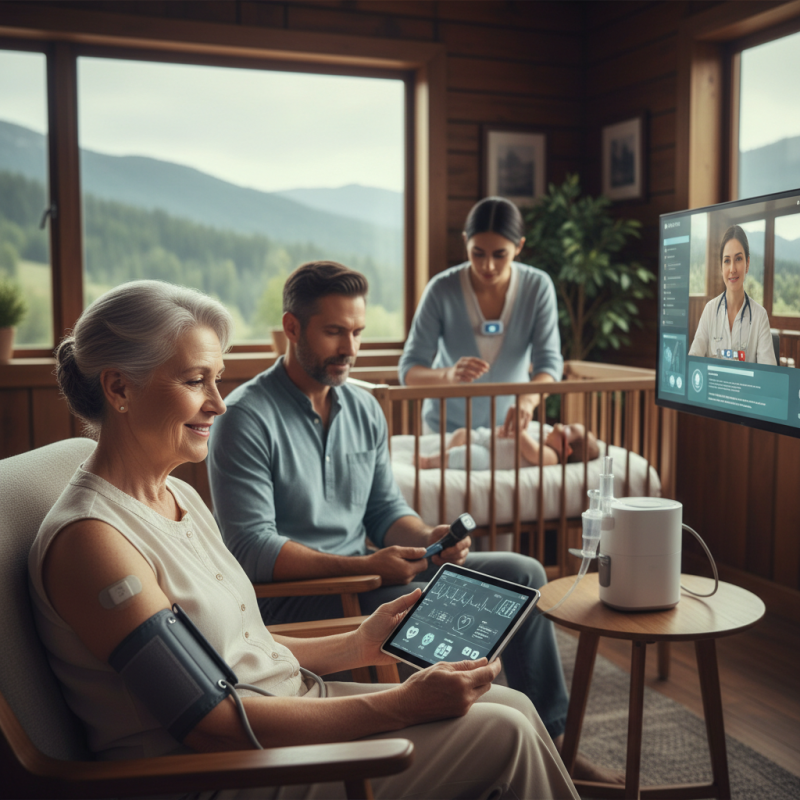
Remote Patient Monitoring (RPM) solutions provide significant advantages for various demographic groups. Elderly patients often face mobility issues, making it difficult for them to attend in-person appointments. According to a study by the American Journal of Managed Care, approximately 80% of older adults would engage with RPM services if available. This can lead to better management of chronic conditions, ensuring timely interventions and reducing hospital readmissions.
Patients with chronic illnesses, such as diabetes or hypertension, also stand to gain. The National Institutes of Health report that RPM can decrease the frequency of exacerbations by up to 30%. This proactive approach allows for real-time data collection, facilitating informed decisions by healthcare providers. Technology can bridge gaps in care, but it is not without challenges. The digital divide may leave some patients unable to access these tools effectively, which raises questions about equity in healthcare.
Another group that benefits includes caregivers who are under immense pressure. RPM tools can lighten their load by keeping track of patient health metrics remotely. However, it's critical to reflect on the potential for information overload and the implications for caregiver burnout. The ultimate goal of RPM should be improving health outcomes while balancing the demands of technology with human touch.
Remote Patient Monitoring (RPM) solutions transform healthcare by enabling continuous patient data collection. These systems use devices like heart rate monitors and glucose meters. They transmit information to healthcare providers in real-time. According to a report from the American Medical Association, RPM can lead to a 25% reduction in hospital readmissions. This advantage is crucial for chronic disease management.
These solutions cater to diverse groups. Patients with chronic conditions like diabetes or hypertension find RPM especially beneficial. A study from the Journal of Telemedicine showed that patients using RPM experienced a 30% improvement in medication adherence. Nurses and caregivers also benefit from streamlined workflows, allowing them to focus on patient care rather than administrative tasks. However, there are gaps. Not all patients have reliable internet access or understand how to use the devices effectively.
The integration of RPM requires careful planning and support. Issues like data privacy and device reliability must be addressed. While the technology is promising, ongoing training for both patients and healthcare staff is necessary. Failure to engage users can lead to underutilization. RPM's success hinges on creating an environment where both patients and providers feel empowered. Embracing this technology can lead to more personalized healthcare experiences.
Remote patient monitoring (RPM) is transforming healthcare delivery. Key demographics utilizing this technology represent diverse patient groups. For instance, elderly patients often face chronic conditions that require consistent monitoring. According to a report by the American Telemedicine Association, 66% of older adults express a strong interest in remote health services. This is particularly notable as they frequently struggle with mobility issues, making traditional visits challenging.
Chronic disease patients, including those with diabetes and heart disease, also benefit significantly from RPM solutions. A study from the Journal of Medical Internet Research found that RPM can improve clinical outcomes and patient engagement in this demographic. Many patients appreciate real-time feedback from wearable devices. They find it helps manage their conditions more effectively.
However, disparities still exist. Access to technology can be a barrier for some populations. Low-income individuals and those in rural areas may lack the necessary resources. This highlights the need for targeted strategies. Ensuring equitable access to RPM can be key to maximizing its benefits. The healthcare community must address these gaps to improve overall patient care.
Remote patient monitoring (RPM) is reshaping how we manage chronic illnesses. This innovative approach allows individuals with conditions like diabetes or heart disease to track their health from home. Patients can use devices to log vital signs, receive reminders for medication, and even send data to healthcare providers in real-time.
For many, RPM significantly enhances quality of life. It allows for proactive management of symptoms and reduces frequent hospital visits. However, not all patients may feel comfortable using technology. Some may struggle with changing their routines. Hospitals and healthcare workers can provide essential training and support to ease this transition.
**Tips for Successful Remote Monitoring:**
1. Create a personalized health plan that fits your lifestyle.
2. Set reminders for medication and device checks to stay on track.
3. Regularly communicate with your healthcare team about your progress.
These steps can help patients overcome challenges and make the most of remote monitoring. Embracing RPM is a journey, not just a tool. Maintaining an open dialogue with medical professionals ensures the best care possible.
Post-operative care is crucial for a successful recovery. Remote patient monitoring solutions provide a unique way to support patients during this period. They allow healthcare providers to track vital signs, medication adherence, and overall well-being, all from the comfort of home. Patients can be monitored for complications, which leads to faster interventions when needed.
The technology empowers patients but can also create challenges. Not every patient is tech-savvy. Some may struggle with the gadgets required for monitoring. In these cases, support is vital. A family member or nurse can assist. This creates a bridge to ensure patients fully benefit from the solutions.
Data from remote monitoring can reveal patterns in recovery. These insights help customize care plans for individuals. However, over-reliance on technology may lead to less personal interaction. While remote tools are useful, they should not replace regular check-ins with healthcare providers. Balancing technology with human contact is essential for effective post-operative care.
Remote patient monitoring (RPM) solutions offer significant cost savings and enhance efficiency for healthcare providers. By utilizing technology, providers can track patient health metrics remotely. This approach reduces hospital visits, lowering operational costs. Providers can manage a larger patient population efficiently. This shift allows for better allocation of resources and time.
Tips for implementing RPM effectively include investing in training. Ensure that staff understands the technology. Familiarity can promote better engagement with patients. Additionally, clearly communicate RPM benefits to patients. This encourages patient participation and compliance. If patients understand how RPM improves outcomes, they are more likely to adapt.
While RPM has clear advantages, challenges exist. Not all patients may embrace technology. Some might struggle with device usage or data interpretation. It's essential to address these issues through ongoing support. Regular check-ins can help in identifying patient concerns. Cultivating a reliable feedback loop can enhance the overall effectiveness of remote monitoring initiatives.
| Beneficiary Group | Cost Savings (%) | Efficiency Improvement (%) | Example Benefits |
|---|---|---|---|
| Healthcare Providers | 30% | 25% | Reduced hospital visits, improved patient monitoring |
| Patients with Chronic Conditions | 20% | 15% | Better disease management, increased autonomy |
| Insurance Companies | 25% | 20% | Lowered claim costs, improved patient outcomes |
| Emergency Services | 15% | 10% | Enhanced response times, reduced unnecessary admissions |
| Healthcare Administrators | 18% | 12% | Improved operational efficiency, resource allocation |
: RPM is a technology that transforms healthcare delivery by allowing monitoring of patients remotely.
Elderly patients and those with chronic diseases, like diabetes and heart disease, benefit significantly from RPM solutions.
RPM provides consistent monitoring, which is vital for elderly patients often dealing with chronic conditions and mobility issues.
Yes, low-income individuals and those in rural areas may lack access to technology, creating gaps in healthcare.
Family members or nurses can assist patients not familiar with technology, ensuring they benefit fully from RPM.
Yes, data from RPM reveals recovery patterns, helping to customize care plans for individual patients effectively.
Post-operative care is crucial for recovery, as it monitors vital signs and medication adherence, preventing complications.
Over-reliance on technology may reduce personal interaction with healthcare providers, which is still necessary for effective care.
Regular check-ins with patients should complement RPM, maintaining the human connection in healthcare delivery.
Not necessarily. Some patients may struggle with technology, highlighting the need for tailored support in RPM usage.
Remote patient monitoring (RPM) solutions are transforming healthcare by providing continuous health tracking and management, especially for those with chronic conditions. Key demographics that can benefit from remote patient monitoring include elderly patients, individuals with chronic illnesses, and post-operative patients requiring ongoing care and support. These solutions empower patients to manage their health more effectively by alerting healthcare providers to potential issues in real-time, thereby improving outcomes.
Furthermore, RPM offers significant cost savings and efficiency for healthcare providers by reducing hospital readmissions and streamlining patient monitoring processes. By leveraging technology, healthcare systems can enhance patient engagement and ensure timely interventions, making it clear that many groups can gain from the advantages offered by RPM solutions. In summary, who can benefit from remote patient monitoring encompasses a broad spectrum of patients, ultimately leading to improved healthcare delivery and better quality of life.

Ocent Monitor