The global Remote Patient Monitoring (RPM) market is undergoing a paradigm shift. Driven by an aging population, the rising prevalence of chronic diseases, and a post-pandemic transition toward decentralized care, medical facilities are increasingly seeking integrated solutions that bridge the gap between clinical settings and home environments. Remote Vital Signs Monitoring is no longer just an "add-on" feature—it is the backbone of modern proactive healthcare.
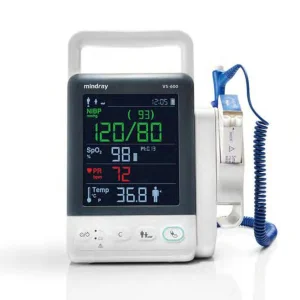
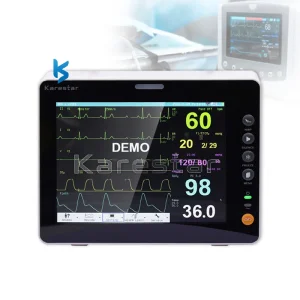
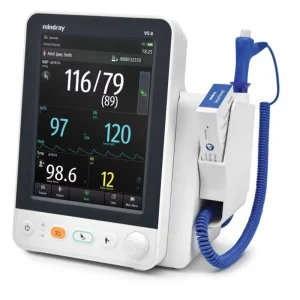
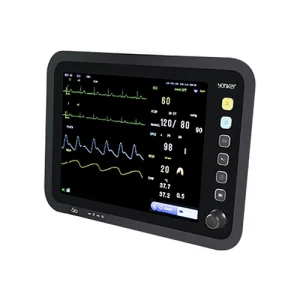
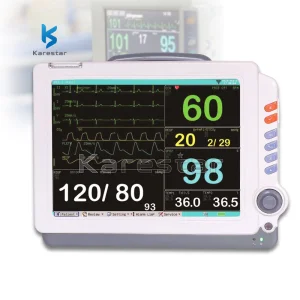
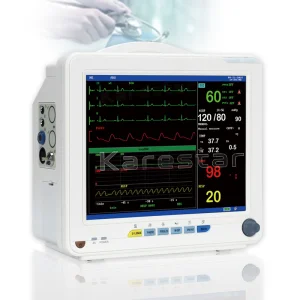
Current industrial trends indicate a move toward Predictive Analytics and Continuous Monitoring. Unlike traditional "spot-check" devices, today's suppliers provide high-fidelity sensors capable of transmitting SpO2, NIBP, ECG, and Body Temperature in real-time. This allows for early intervention, significantly reducing hospital readmission rates and optimizing ICU resource allocation.
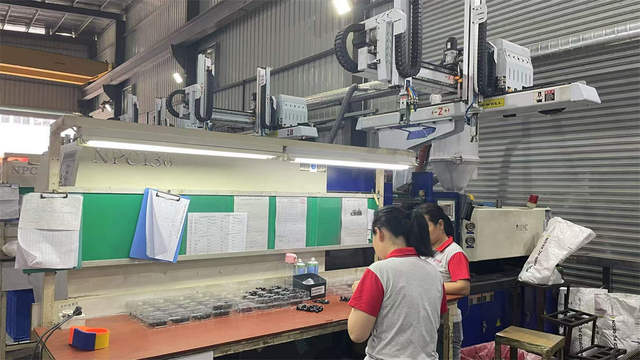
Located in Shenzhen, the "Silicon Valley of Hardware," we leverage a hyper-efficient ecosystem that reduces R&D cycles by 40% compared to international competitors.
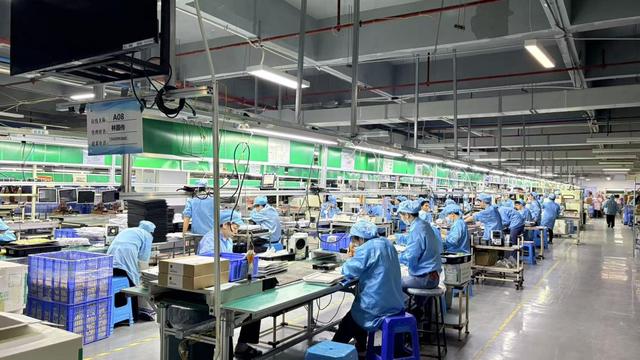
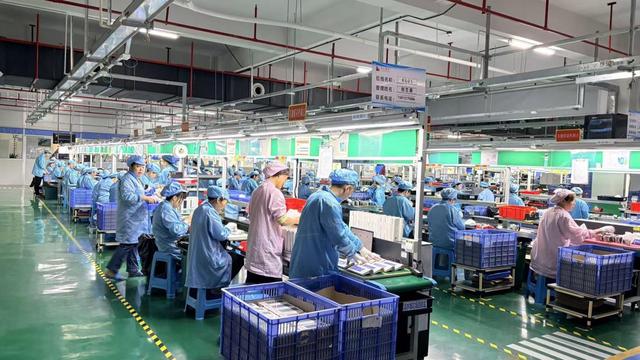
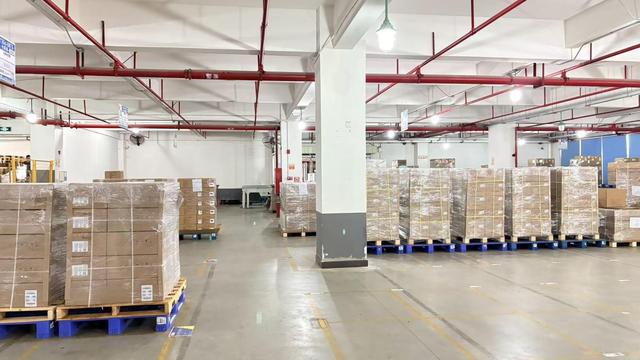
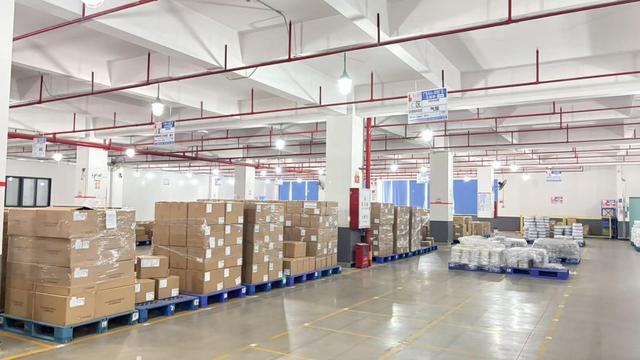
Our 8,000+ sqm facility operates under ISO 13485 standards. Every vital sign monitor undergoes stress tests for 5G connectivity and sensor precision.
From custom branding to API integration for hospital HIS systems, we provide tailored solutions that meet localized regulatory requirements across Europe and North America.
SQM Factory Area
Expert Employees
Established Year
Global Markets Served
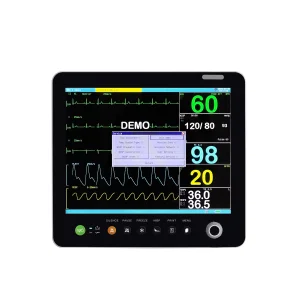
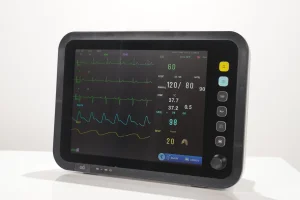
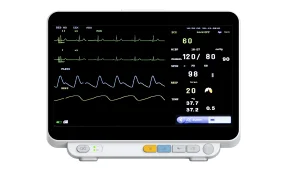
For patients transitioning from ICU to general wards, our multi-parameter monitors provide a safety net, alerting staff immediately if vitals fluctuate, thus maintaining the "Gold Standard" of care without constant manual observation.
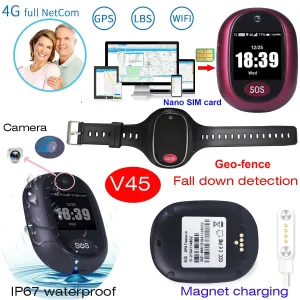
Equipping senior living facilities with 4G/GPS-enabled wearable monitors ensures that fall detection and cardiac anomalies are reported instantly to caregivers, fostering independence for the elderly.
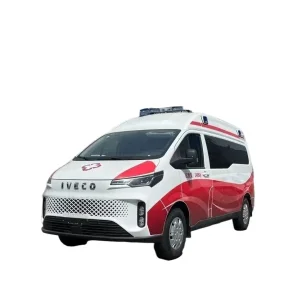
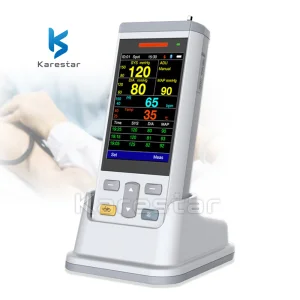
Our portable units (like the Ivec Juxing series) allow paramedics to transmit live vital data to hospital specialists while the patient is still in transit, enabling "Tele-triage" and saving critical minutes.
Continuous monitoring of SpO2 and NIBP for patients with COPD or Hypertension allows clinicians to adjust medications remotely, preventing emergency room visits through proactive data insights.
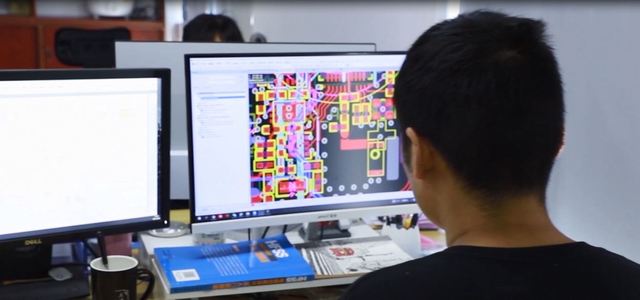
Shenzhen Ocent Monitor Co., Ltd. is a technology-driven manufacturer specializing in remote patient monitoring systems, telehealth monitoring solutions, and digital healthcare technologies. Established in 2016, the company is headquartered in Shenzhen, China, one of the world's leading innovation and electronics manufacturing hubs.
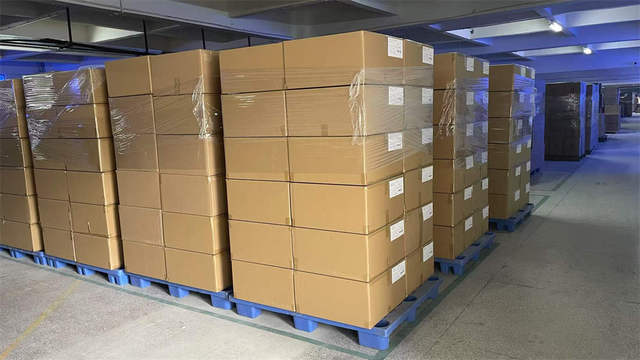
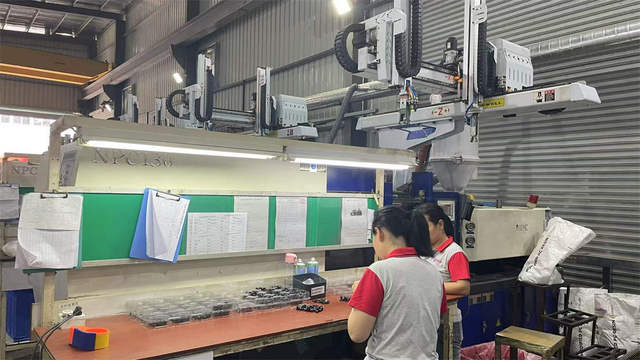
With a modern production facility covering more than 8,000 square meters and a workforce of over 180 employees, Ocent Monitor focuses on the design, development, and manufacturing of intelligent healthcare monitoring solutions for hospitals, clinics, long-term care facilities, and home healthcare providers worldwide.
Our commitment to Information Gain is reflected in our R&D strategy: we don't just build hardware; we build data pipelines that offer actionable clinical intelligence. By combining advanced sensor technology, cloud connectivity, and data management capabilities, Ocent Monitor helps healthcare organizations improve patient engagement and enhance care efficiency.
When global enterprises—ranging from hospital groups to government health ministries—procure RPM technology, they focus on three pillars: Interoperability, Data Security, and Scalability.
Ocent Monitor remains at the forefront of these trends, investing over 15% of annual revenue back into R&D to ensure our partners always have a competitive edge in their local markets.
Our standard multi-parameter monitors track SpO2 (Oxygen Saturation), NIBP (Non-invasive Blood Pressure), ECG (Electrocardiogram), Respiratory Rate, Pulse Rate, and Temperature. Custom sensors can be added for specific clinical needs.
We implement AES-256 encryption for data at rest and TLS 1.3 for data in transit. Our systems are designed to be HIPAA and GDPR compliant, ensuring patient privacy is never compromised.
Yes, we provide a comprehensive SDK and RESTful APIs for developers to integrate our monitoring data into their own telehealth platforms or Hospital Information Systems (HIS).
Typically, for standard orders, lead time is 4-6 weeks. For custom ODM projects involving new hardware molds or firmware, the timeline ranges from 3 to 6 months depending on complexity.
We provide 24/7 technical support via our global service centers and remote diagnostic tools. We also offer training modules for hospital staff and maintenance engineers.
Our products are CE certified, and we maintain ISO 13485:2016 Quality Management System certification. Many of our flagship models are also pending FDA clearance.
 Ocent Monitor