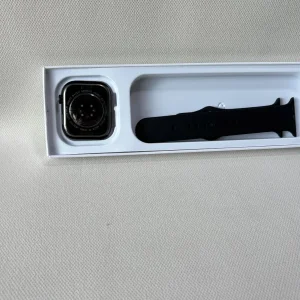
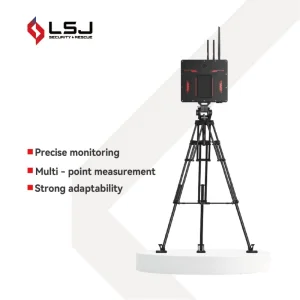
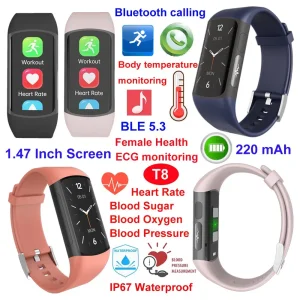
In the post-pandemic era, the global healthcare landscape has undergone a seismic shift from hospital-centric care to patient-centric remote monitoring. Mobile Health (mHealth) monitoring has emerged not just as a convenience, but as a critical infrastructure for managing chronic diseases, elderly care, and post-operative recovery. As a leading manufacturer and supplier, we recognize that the demand for mobile health solutions is driven by the intersection of three major forces: the aging global population, the rising cost of clinical care, and the rapid advancement of IoT (Internet of Things) and AI (Artificial Intelligence).
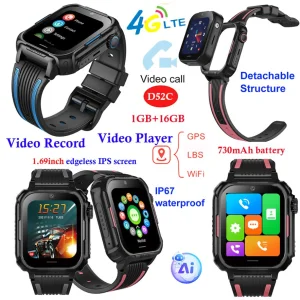
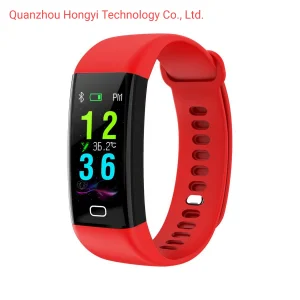
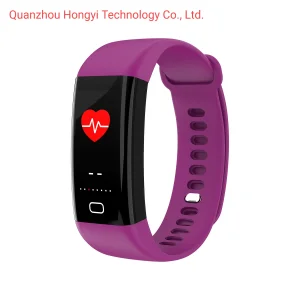
Today's mobile health monitoring equipment transcends simple step-counting. We are now integrating clinical-grade ECG, SpO2 (Blood Oxygen), Blood Pressure, and Glucose monitoring into wearable and portable formats. This enables healthcare providers to transition from reactive treatment to proactive intervention, significantly improving patient outcomes and reducing readmission rates.
Supplying Tier-1 hospitals and healthcare providers across North America, Europe, and the Middle East with localized support.
Ensuring all devices meet HIPAA, GDPR, and ISO 13485 standards for data privacy and medical safety.
Leveraging machine learning algorithms to predict health anomalies before they become critical emergencies.
For global enterprises, health insurance companies, and government health departments, the procurement of mobile health monitoring systems involves more than just hardware. It requires a comprehensive ecosystem that includes hardware, firmware, secure cloud storage, and intuitive user interfaces.
Global procurement teams prioritize scalability and interoperability. Our manufacturing process is designed to support API/SDK integrations, allowing our devices to feed data seamlessly into existing Electronic Health Records (EHR) such as Epic or Cerner. Furthermore, we offer extensive OEM/ODM capabilities to customize hardware aesthetics and software branding for large-scale health initiatives.
The future of Mobile Health Monitoring lies in "invisible" and "autonomous" monitoring. Our R&D team is currently focusing on the following technical milestones:
Development of non-invasive continuous glucose monitoring (CGM) and advanced hydration sensors to replace traditional blood-draw methods.
Moving data processing from the cloud to the device itself. This reduces latency and ensures monitoring continues even without an internet connection.
Implementing solar-powered and kinetic-energy charging mechanisms to extend wearable battery life from days to months.
As 5G and 6G networks expand, we anticipate the "Internet of Medical Things" (IoMT) will support ultra-reliable low-latency communication (URLLC), enabling remote robotic surgeries and real-time haptic feedback for rehabilitation therapy.
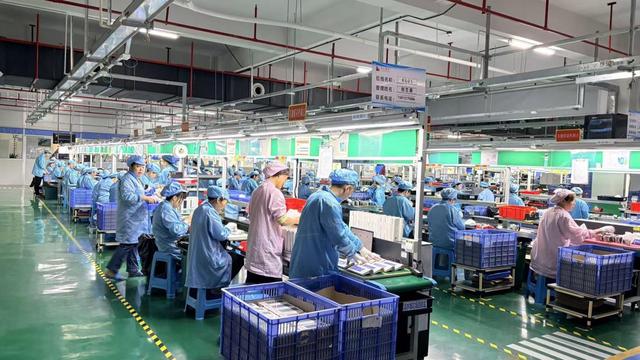
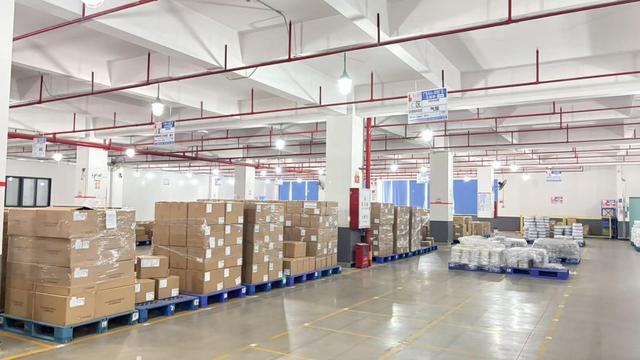
Shenzhen Ocent Monitor Co., Ltd. is a technology-driven manufacturer specializing in remote patient monitoring systems, telehealth monitoring solutions, and digital healthcare technologies. Established in 2016, the company is headquartered in Shenzhen, China, one of the world's leading innovation and electronics manufacturing hubs.
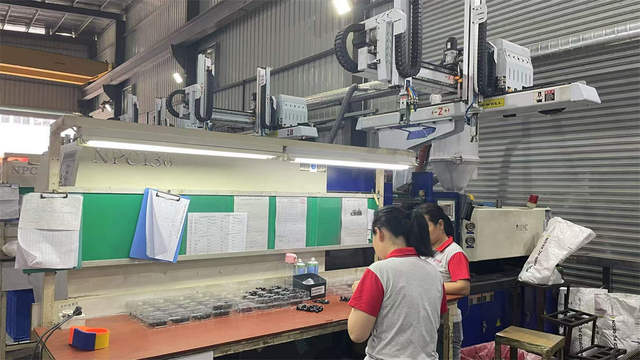
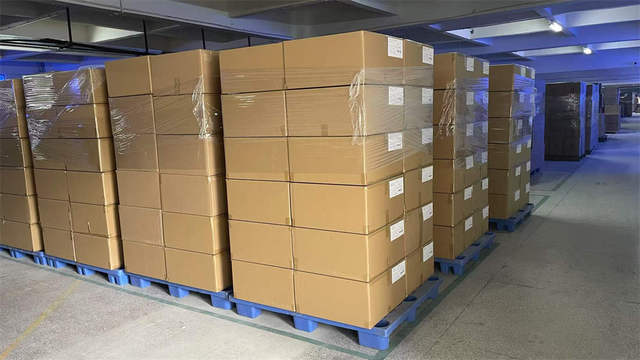
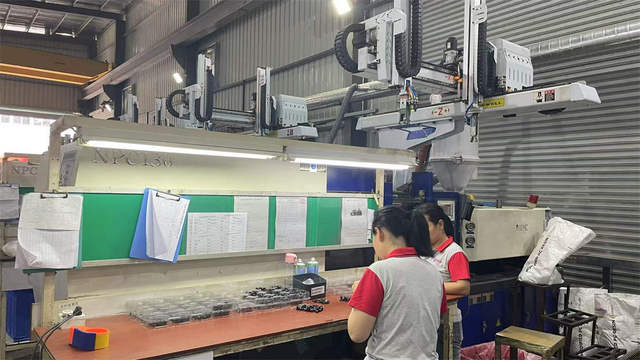
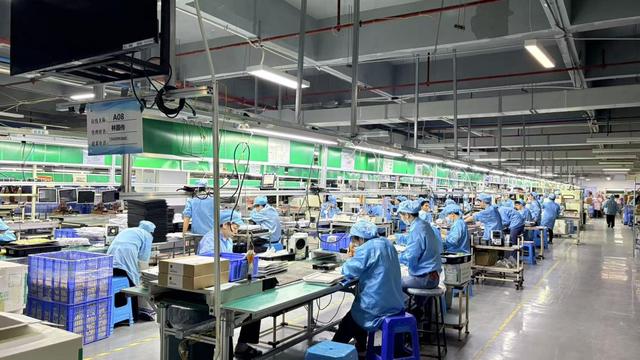
With a modern production facility covering more than 8,000 square meters and a workforce of over 180 employees, Ocent Monitor focuses on the design, development, and manufacturing of intelligent healthcare monitoring solutions for hospitals, clinics, long-term care facilities, and home healthcare providers worldwide.
The company's product portfolio includes remote patient monitoring systems, wireless vital sign monitoring devices, telehealth platforms, chronic disease management solutions, wearable health monitoring technologies, and healthcare IoT integration systems. By combining advanced sensor technology, cloud connectivity, and data management capabilities, Ocent Monitor helps healthcare organizations improve patient engagement, enhance care efficiency, and support continuous health monitoring beyond traditional clinical settings.
All our products and cloud platforms are fully compliant with GDPR (Europe) and HIPAA (USA). We utilize end-to-end AES-256 encryption for all biometric data transmission and storage to ensure patient confidentiality.
Yes. We provide comprehensive SDKs and APIs that support HL7 and FHIR standards, allowing seamless data flow into major Electronic Health Record systems like Epic, Cerner, and Allscripts.
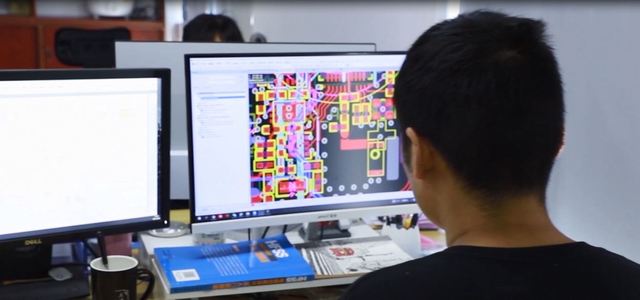
Absolutely. Shenzhen Ocent Monitor provides full-cycle OEM/ODM services, from industrial design and PCB layout to customized firmware and white-labeled mobile applications.
Our sensors are clinical-grade. For example, our heart rate and SpO2 sensors maintain a ±2 bpm/unit margin of error compared to standard hospital bedside monitors.
We work with regional distributors and technical partners in North America, Europe, and the Middle East to provide on-site training, maintenance, and compliance consultation.

 Ocent Monitor