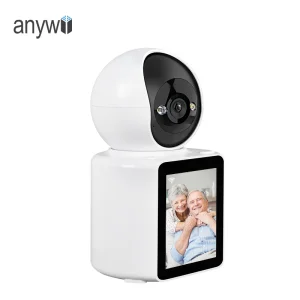
The global elderly care monitoring market is undergoing a seismic shift. As the "Silver Tsunami" approaches—with the world's population aged 60 and older expected to reach 2 billion by 2050—the demand for advanced manufacturing in the healthcare sector has never been more critical. Leading elderly care monitoring manufacturers and factories are no longer just producing simple panic buttons; they are now the architects of complex Remote Patient Monitoring (RPM) ecosystems.
For B2B buyers, distributors, and healthcare providers, selecting a manufacturing partner requires an understanding of Information Gain: moving beyond generic specifications to deep technical integration, data security (HIPAA/GDPR), and long-term device reliability.
Global Market by 2030
Annual CAGR Growth
Reduction in ER Visits
Modern factories are integrating Edge AI into wearables. Instead of simple accelerometers, devices now use machine learning to distinguish between a "hard fall" and a user simply sitting down quickly, reducing false alarms by up to 40%.
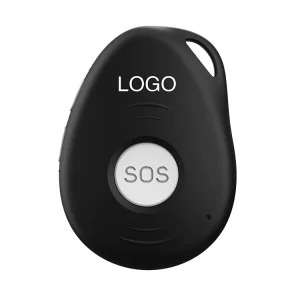
Mobile Personal Emergency Response Systems (mPERS) are transitioning from 2G/3G to 4G LTE-M and NB-IoT. This ensures global roaming capabilities and indoor positioning accuracy via Wi-Fi and LBS triangulation.
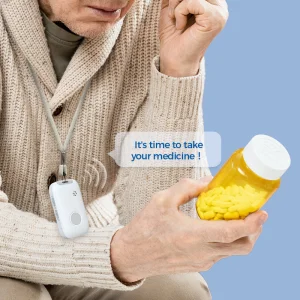
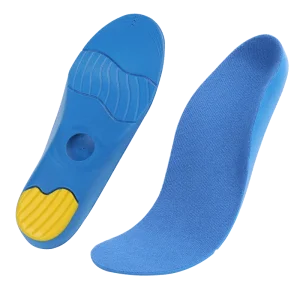
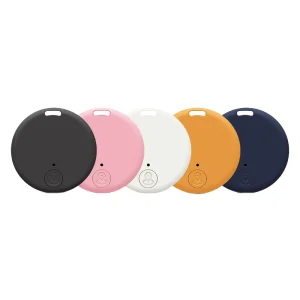
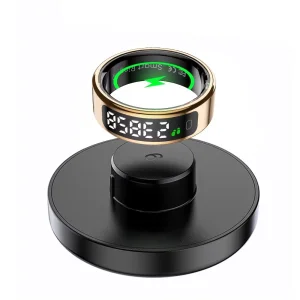
Beyond watches, the industry is seeing growth in "hidden" tech—like the GPS insoles and smart rings mentioned in our catalog—providing dignity and safety for patients with dementia or sensory sensitivities.
When searching for Elderly Care Monitoring Factories, Shenzhen, China, remains the undisputed hub. However, the paradigm has shifted from "low-cost assembly" to "high-tech innovation."
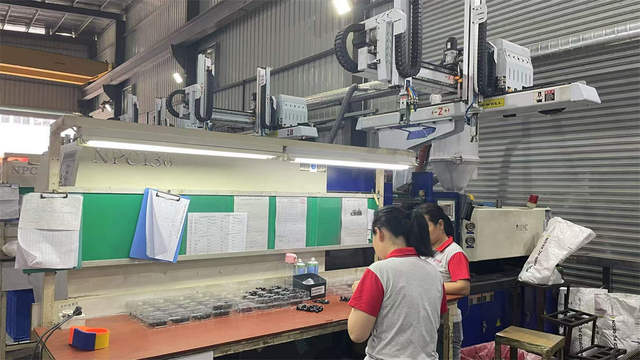
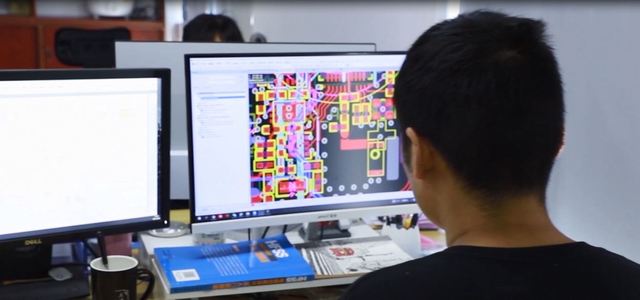
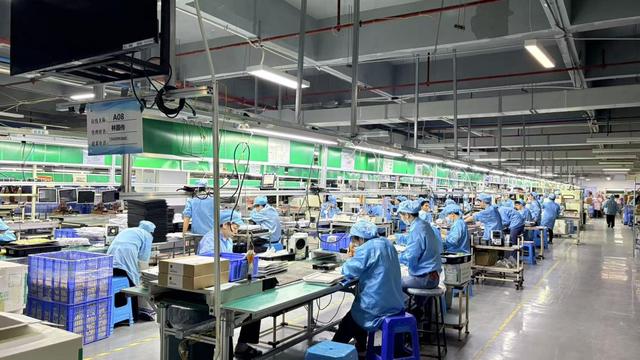
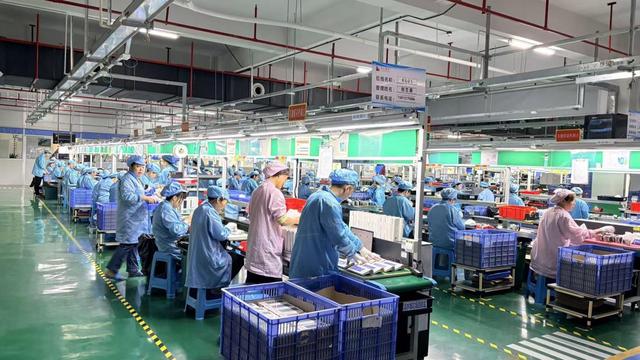
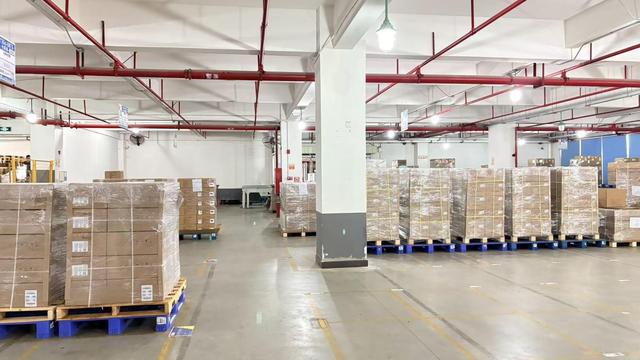
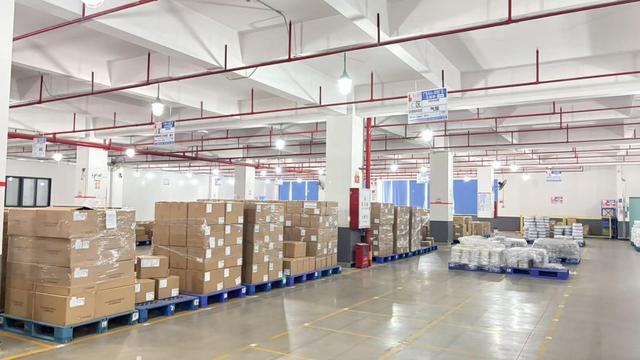
Established in 2016, Ocent Monitor has pioneered the integration of AIoT into senior safety. With an 8,000 square meter facility and over 180 specialists, they represent the "Factory 4.0" standard—where R&D sits directly adjacent to the SMT lines.
Vertical integration allows for faster prototyping. Ocent can take a concept to a functional OEM sample in weeks, not months, ensuring clients stay ahead of market trends.
Medical-grade manufacturing requires more than just ISO9001. It requires 100% testing of GPS sensitivity, battery discharge cycles, and waterproof ratings (IP67+).
Modern factories are adopting eco-friendly materials and energy-efficient production, a key requirement for Western European and North American institutional buyers.
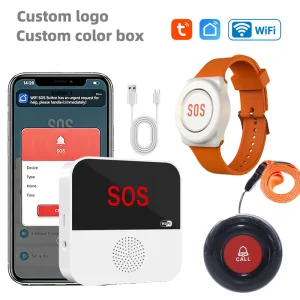
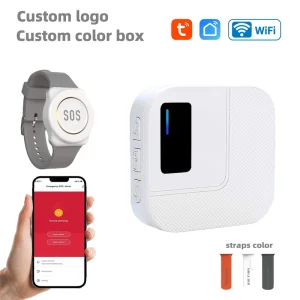
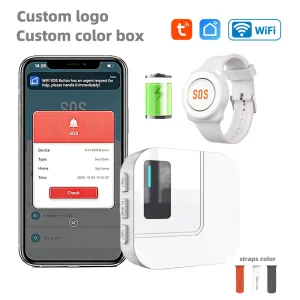
The primary use case for devices like the Daytech Tuya Smart SOS system. It allows seniors to maintain autonomy while knowing help is a button press away, with notifications sent directly to family smartphones globally.
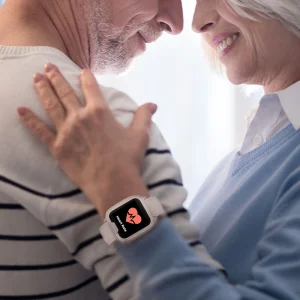
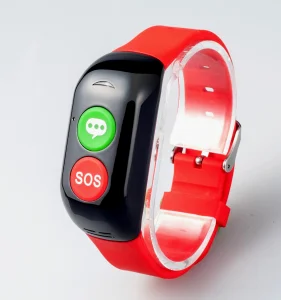
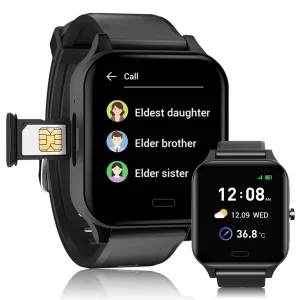
In high-density environments, centralized monitoring is key. Factories now provide multi-user dashboards where a single nursing station can track the vitals and locations of 50+ residents simultaneously using 4G/Wi-Fi smartwatches.
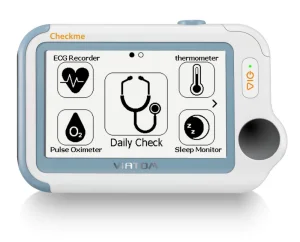
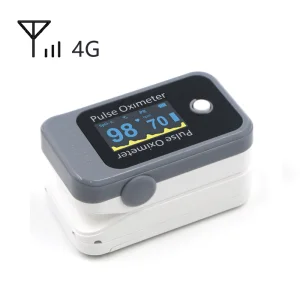
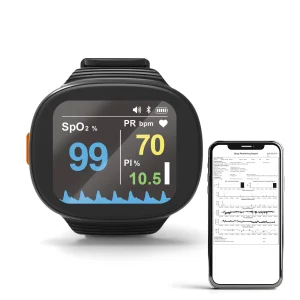
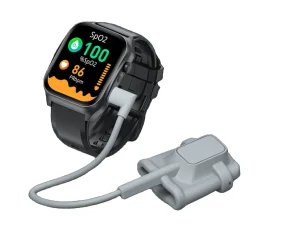
Post-operative care for elderly patients often requires continuous monitoring of SpO2 and Heart Rate. Our Berry Medical Pulse Oximeters and Viatom Vital Sign Monitors bridge the gap between hospital discharge and home recovery.
Shenzhen Ocent Monitor Co., Ltd. is a technology-driven manufacturer specializing in remote patient monitoring systems, telehealth monitoring solutions, and digital healthcare technologies. Established in 2016, the company is headquartered in Shenzhen, China, one of the world's leading innovation and electronics manufacturing hubs.
With a modern production facility covering more than 8,000 square meters and a workforce of over 180 employees, Ocent Monitor focuses on the design, development, and manufacturing of intelligent healthcare monitoring solutions for hospitals, clinics, long-term care facilities, and home healthcare providers worldwide.
The company's product portfolio includes remote patient monitoring systems, wireless vital sign monitoring devices, telehealth platforms, chronic disease management solutions, wearable health monitoring technologies, and healthcare IoT integration systems. By combining advanced sensor technology, cloud connectivity, and data management capabilities, Ocent Monitor helps healthcare organizations improve patient engagement, enhance care efficiency, and support continuous health monitoring beyond traditional clinical settings.
Supported by an experienced engineering team and rigorous quality management processes, the company maintains strict production standards throughout product development and manufacturing. Ocent Monitor is committed to continuous innovation in connected healthcare technologies, enabling healthcare professionals to access real-time patient information and make informed clinical decisions.
Serving customers across North America, Europe, Asia, the Middle East, and other international markets, Shenzhen Ocent Monitor Co., Ltd. provides OEM and ODM services tailored to diverse healthcare applications and market requirements. Through ongoing investment in research and development, the company strives to deliver reliable, scalable, and future-oriented remote healthcare solutions that support the evolving needs of modern healthcare systems worldwide.
 Ocent Monitor