The rise of Remote Patient Monitoring (RPM) has transformed healthcare delivery. According to a recent report from Grand View Research, the RPM market is projected to reach $1.8 billion by 2027, reflecting an annual growth rate of 23.4%. This indicates a significant shift in how patients engage with their healthcare providers. As healthcare systems adopt technology, understanding how to choose a remote patient monitoring solution becomes crucial.
Dr. Emily Chen, a noted expert in telehealth, emphasizes, “Selecting the right RPM solution can enhance patient outcomes and streamline clinical practices.” However, the decision-making process is not straightforward. Many options exist, each with different features and capabilities. Choosing poorly can lead to inefficiencies and patient dissatisfaction.
Furthermore, many healthcare providers struggle with understanding the unique needs of their patient populations. Different conditions may require specific monitoring solutions. It is essential to reflect on these factors when determining how to choose a remote patient monitoring solution that fits your organization's goals. Investing time in this process can significantly impact the patient experience and overall healthcare delivery.
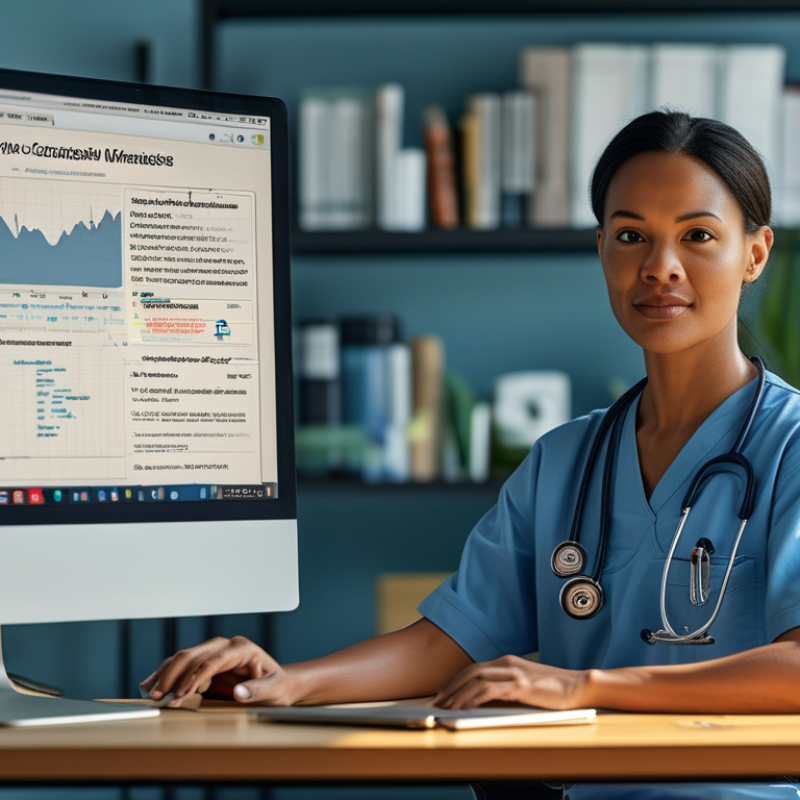
Remote Patient Monitoring (RPM) offers significant advantages for healthcare providers. It enables continuous tracking of patients' health data from home. This ongoing observation can lead to timely interventions, reducing hospital admissions. Imagine a diabetic patient using a glucose monitor that sends real-time data. Care providers can respond quickly if levels are abnormal.
Moreover, RPM improves patient engagement. Patients become active participants in their health journey. They can easily share their metrics with providers. This transparency enhances trust in the patient-provider relationship. However, some practitioners struggle with adopting new technologies. Training is essential for effective implementation. Not all staff may feel comfortable with the tech, leading to uneven adoption.
Cost reduction is another benefit. RPM can minimize unnecessary in-person visits. Providers can allocate resources to patients who truly need them. Yet, there are concerns about data security and privacy. Ensuring robust systems are in place is critical. Some patients may not fully understand the technology, potentially causing frustration. Addressing these concerns is essential for successful RPM adoption.
Remote patient monitoring (RPM) has transformed the healthcare landscape. By providing real-time data, it enhances patient engagement and satisfaction. Patients are more involved in managing their health through regular feedback and updates. This increased interaction can lead to better health outcomes, as individuals feel empowered to take charge of their conditions.
Regular communication fosters trust between patients and healthcare providers. Patients are more likely to adhere to treatment plans when they receive consistent support. In doing so, RPM addresses the challenges of traditional in-person visits, especially for those with mobility issues. Increased accessibility can lead to higher patient satisfaction levels.
To maximize the benefits of RPM, focus on communication. Ensure that patients understand the monitoring process. Use simple, clear language when explaining how to use monitoring devices. Encourage feedback from patients about their experiences. This can help improve the process and build a supportive environment. Regular check-ins can also remind patients of their progress, reinforcing their commitment to better health. Understanding their journey makes patients feel valued and engaged, fostering a more collaborative healthcare experience.
The cost-effectiveness of implementing remote patient monitoring (RPM) systems is increasingly recognized. RPM solutions can reduce hospital admissions by providing continuous health tracking. This approach allows early intervention, minimizing severe complications and lowering healthcare costs.
Investing in an RPM can lead to substantial savings. By monitoring patients at home, healthcare providers can prevent expensive emergency room visits. This transition lowers the burden on healthcare facilities and can improve patient retention. Moreover, RPM systems reduce staffing needs, allowing existing personnel to focus on critical cases.
Tips for considering RPM adoption include analyzing initial setup costs versus long-term savings. Evaluate the potential to improve patient outcomes, which can translate into financial benefits. Assessing system usability can also save time and training costs. While RPM shows promise, ongoing evaluation is essential to ensure its effectiveness in your specific healthcare context.
Technological innovations are revolutionizing healthcare, especially in remote patient monitoring (RPM). The global RPM market was valued at $1.4 billion in 2020 and is projected to grow significantly. Estimates suggest it could reach $7.8 billion by 2026, according to a recent market research report. This growth is propelled by the rise of telehealth solutions and advancements in wearable technologies.
Wearable devices, such as smartwatches and fitness trackers, are transforming patient engagement. They collect vital data like heart rate, blood pressure, and physical activity levels. This data helps healthcare providers monitor patients in real-time. For instance, a study found that RPM reduces hospital readmission rates by nearly 30%. However, reliance on technology can raise concerns. Not all patients are tech-savvy, which can create barriers to effective monitoring.
Data privacy remains a pressing issue. As RPM increases, the volume of personal health data grows. Ensuring this data is securely handled is paramount. A report indicated that 55% of patients express concerns about their health data security. Balancing convenience with security is a critical challenge for the healthcare industry. Implementing robust cybersecurity measures is necessary but can be complex and costly. The dynamics of RPM illustrate both the exciting potential and significant hurdles of technology in healthcare.
Remote Patient Monitoring (RPM) offers promising benefits, yet its implementation comes with various challenges. According to a report from the Healthcare Information and Management Systems Society (HIMSS), nearly 66% of healthcare organizations cite integration issues with existing systems as a significant hurdle. Integration isn't just a technical challenge; it requires collaboration among healthcare providers, IT departments, and patients. This often leads to delays that can hamper the potential benefits of RPM.
Another challenge lies in patient engagement. A recent survey from the Journal of Medical Internet Research found that 40% of patients reported difficulty in using RPM devices. These figures highlight a gap in user-friendliness and accessibility. Many older adults struggle with technology, which can result in data inconsistencies. Moreover, healthcare providers may not have the resources to offer adequate training, further complicating implementation.
Furthermore, data privacy and security must be prioritized. As RPM collects sensitive health information, breaches could lead to dire consequences. A report from Cybersecurity Ventures projected that ransomware attacks on healthcare could cost organizations $20 billion by 2024. This ongoing threat makes it essential for healthcare providers to invest in robust security measures and to be vigilant in protecting patient data. Implementing RPM solutions requires careful consideration of these challenges to ensure successful outcomes.
: RPM is a method of monitoring patients' health remotely, using technology to collect real-time data.
RPM improves engagement by providing regular feedback, allowing patients to actively manage their health conditions.
Clear communication helps patients understand the monitoring process and feel valued, leading to better health outcomes.
RPM can reduce hospital admissions, allowing for early interventions and lowering overall healthcare costs for providers.
By monitoring patients at home, RPM can prevent costly emergency visits, reducing the burden on healthcare facilities.
Yes, not all patients are tech-savvy, which can create barriers to effective monitoring and engagement.
Wearable devices track vital signs and activity levels, providing data that helps healthcare providers monitor patients effectively.
Data privacy is crucial, as many patients worry about the security of their personal health information in RPM systems.
Balancing convenience and security is a major challenge, requiring robust cybersecurity measures that can be complex.
Regular check-ins are essential. They remind patients of their progress and help maintain their commitment to health.
Remote Patient Monitoring (RPM) offers significant benefits for healthcare providers by enhancing patient engagement and satisfaction, improving care delivery, and optimizing resource allocation. By utilizing RPM systems, providers can closely monitor patient health, ensuring timely interventions and fostering a stronger relationship between patients and their healthcare teams. Cost-effectiveness is another key advantage, as these systems can reduce hospital readmissions and streamline operations.
When considering how to choose a remote patient monitoring solution, it’s essential to evaluate the technological innovations that drive these systems, ensuring they meet the specific needs of both patients and providers. However, challenges such as data privacy, integration with existing healthcare systems, and patient adaptability must also be addressed. Balancing these factors will lead to a successful RPM implementation that enhances patient care while maintaining efficiency in healthcare delivery.

Ocent Monitor