Why Can Remote Monitoring Detect Health Emergencies?

Time:2026-08-25 Author:Sienna
0%

Remote monitoring has revolutionized healthcare by enhancing our ability to detect health emergencies swiftly. Recent studies from the CDC indicate that timely interventions through remote monitoring can reduce patient mortality by 25%. As healthcare evolves, professionals are increasingly asking, "can remote monitoring detect health emergencies?" Dr. Anna Thompson, a renowned telehealth expert, emphasized this potential by stating, "Remote monitoring doesn’t just track data; it saves lives."

The growing adoption of wearable technologies has made it easier to monitor vital signs in real-time. This advancement allows healthcare providers to identify abnormal readings that signal emergencies like heart attacks or strokes. For instance, a smart wearable can alert emergency services if a patient's heart rate drops significantly. However, challenges remain. Not every patient has access to these technologies. Moreover, data privacy concerns must be addressed to foster trust among users.

As we explore this topic further, it's important to recognize the limitations. Remote monitoring cannot replace in-person evaluations entirely. There’s a fine line between technology aiding care and becoming overly reliant on it. As we navigate the future of healthcare, understanding "can remote monitoring detect health emergencies" will be crucial. Engaging with these unanswered questions can lead to improved patient outcomes.
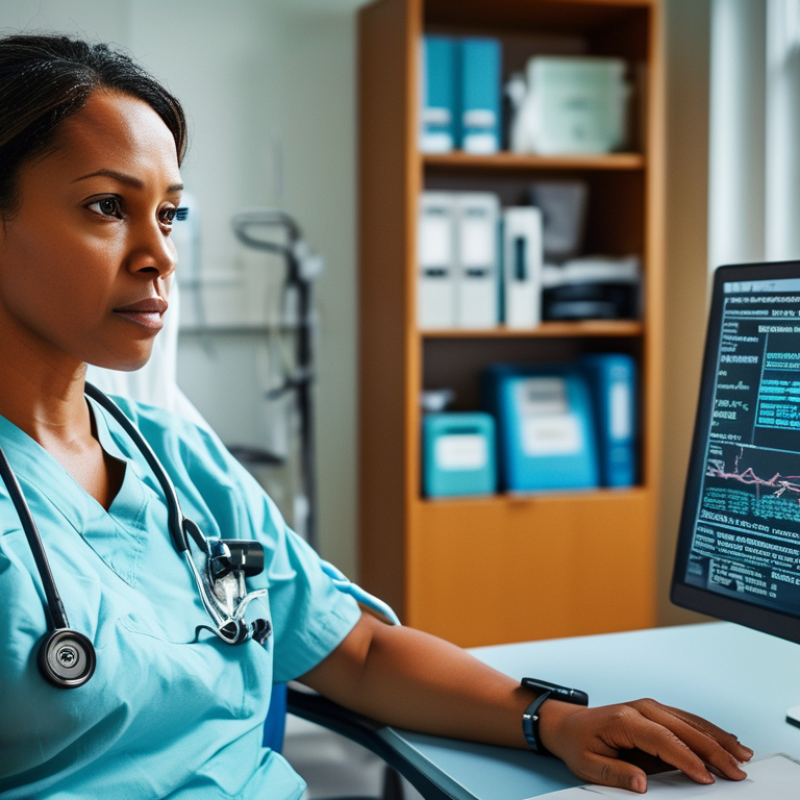
Why Can Remote Monitoring Detect Health Emergencies?

The Role of Remote Monitoring in Health Care

Remote monitoring is becoming vital in health care. It allows for continuous assessment of patients' conditions. This technology tracks vital signs and symptoms in real time. Physicians can respond swiftly to potential emergencies. With remote sensors, data is collected from patients at home or in care facilities. It can alert healthcare providers before situations worsen.

This approach provides detailed insights into patients' health. Data shows trends that might indicate a decline. Such information can be invaluable in preventing hospitalizations. However, challenges exist. Not every patient may understand how to use these devices. Some may lack reliable internet access. Trust in remote devices can also vary among patients. Awareness and education are necessary to enhance engagement.

Remote monitoring enhances patient autonomy. Patients feel empowered to manage their health. This can improve adherence to treatment plans. Yet, data privacy remains a concern. Striking a balance between monitoring and protecting personal information is essential. Transparency in data usage will build trust. The future of health care relies on integrating technology with human touch.

Why Can Remote Monitoring Detect Health Emergencies?

Dimension Details
Data Collection Methods Wearable devices, mobile apps, telemetry
Types of Health Metrics Heart rate, blood pressure, glucose levels
Response Time Instant alerts within seconds
Geographical Reach Global access, including remote areas
User Demographics Elderly, chronic disease patients, fitness enthusiasts
Data Privacy Measures Encryption, user consent, anonymization
Integration with Healthcare Systems Interoperability with EHRs, telemedicine platforms
Benefits for Patients Early detection, personalized care, peace of mind

How Remote Monitoring Technologies Work

Remote monitoring technologies have transformed healthcare by providing real-time data on patients' conditions. These tools rely on sensors and devices that track vital signs, symptoms, and behaviors from a distance. For example, wearable devices can monitor heart rate and blood pressure continuously. This data is sent to healthcare professionals, allowing them to identify potential health emergencies before they become critical.

Emergencies can strike suddenly. Remote monitoring helps in timely intervention. Medical teams can receive alerts if a patient’s metrics show alarming trends. This proactive approach can lead to faster treatment and better outcomes. However, accuracy is key. False readings can lead to unnecessary stress or missed opportunities for real care.

Data privacy is essential too. Patients must understand how their information is used. Clear communication from healthcare providers about privacy ensures trust. Proper training for users of remote devices enhances their effectiveness. Integrating user feedback can improve device functionality and user experience, enhancing overall health monitoring. Communication is vital; it can make all the difference in critical situations.

Health Emergency Detection via Remote Monitoring Technologies

Identifying Health Emergencies Through Data Analysis

Remote monitoring is revolutionizing how we identify health emergencies. By analyzing data from wearable devices, we can detect early warning signs. A study by the Institute of Medicine found that real-time data tracking can reduce hospital admissions by up to 30%. Such insights enable healthcare providers to act quickly, potentially saving lives.

Data analysis can pinpoint unusual patterns in vital signs, like heart rate and temperature. For instance, a significant increase in heart rate combined with a decrease in activity levels might indicate a viral infection. Sensor technology is advancing; in 2021, over 48 million wearable health devices were sold in the U.S. alone. This growing trend enhances our capacity for early detection.

However, relying solely on data presents challenges. False alarms can lead to unnecessary stress for patients and healthcare systems. Additionally, not all individuals have access to these technologies, creating disparities in care. Continuous improvement in data algorithms and inclusivity can help bridge these gaps, ensuring that everyone benefits from remote monitoring advancements.

The Benefits of Early Detection in Remote Monitoring

Remote monitoring has transformed healthcare by enabling early detection of health emergencies. With the rise of wearable devices, practitioners can access real-time data. This shift enhances patient outcomes significantly. A study by the Journal of Medical Internet Research found that remote monitoring reduced hospital admissions by 30%. Early detection allows healthcare providers to intervene swiftly, often preventing complications.

Furthermore, this technology detects subtle changes in vital signs. For instance, increased heart rate or abnormal blood pressure readings can signal potential issues. The American Heart Association states that timely intervention can lower the risk of severe cardiac events by 40%. Yet, the challenge remains: not all patients have access to these technologies. There's a need to bridge the digital divide to ensure equitable healthcare.

Moreover, privacy concerns can deter individuals from embracing remote monitoring. Patients must trust that their data remains confidential and secure. This trust is essential in fostering a culture of proactive health management. While remote monitoring holds immense promise, addressing these challenges is crucial for its full potential to be realized. Balancing innovation with ethical considerations remains a pressing task for the healthcare industry.

Challenges and Limitations of Remote Health Monitoring Systems

Remote health monitoring systems can be incredibly useful in detecting health emergencies. However, they face several challenges and limitations. One major hurdle is the issue of data accuracy. Sensors may provide incorrect readings, leading to false alarms. This can cause unnecessary stress for patients and healthcare providers alike. Users must remain cautious of potential errors in readings and consult professionals when in doubt.

Another significant limitation is the lack of continuous monitoring. Many systems only track specific metrics during set times. This gap can miss critical changes in a patient's condition. A sudden deterioration might go unnoticed if it occurs between monitoring intervals. It's important for users to understand this limitation and consider supplementing remote monitoring with regular check-ups.

To enhance the effectiveness of remote monitoring, users should prioritize reliable devices. Selecting systems with thorough testing and validation can significantly improve accuracy. Additionally, familiarize yourself with your device's features. Being aware of its strengths and weaknesses is crucial. Communication with healthcare professionals remains essential. Keeping an open line to discuss any irregularities can bridge the gap between technology and personalized care.

FAQS

: How do remote monitoring technologies work?

: They use sensors to track patients' vital signs and behaviors from afar.

What are the benefits of early detection in healthcare?

Early detection allows for timely interventions, preventing complications and improving outcomes.

Can remote monitoring reduce hospital admissions?

Yes, studies show it can lower hospital admissions significantly, by around 30%.

What should patients know about data privacy?

Patients need to understand how their information is used and kept secure.

How does communication impact remote monitoring effectiveness?

Clear communication about data usage fosters trust and improves patient compliance.

What are some challenges of remote monitoring?

Access can be limited for some patients, creating a digital divide in healthcare.

How can false readings affect remote monitoring?

Inaccurate readings may cause stress or result in missed care opportunities.

What is essential for enhancing user experience with remote devices?

Proper training and incorporating user feedback are vital for better functionality.

How important is timely intervention in healthcare?

Timely intervention can lower severe health event risks by up to 40%.

What ethical considerations are important in remote monitoring?

Balancing innovative technology with privacy and ethical practices is crucial.

Conclusion

Remote monitoring has emerged as a crucial tool in healthcare, enabling the timely detection of health emergencies. By leveraging advanced technologies, remote monitoring systems continuously collect and analyze patient data, allowing healthcare providers to identify potential emergencies before they escalate. The effectiveness of these technologies lies in their ability to monitor vital signs and other health indicators in real-time, alerting medical professionals to any concerning trends or anomalies.

One of the key advantages of using remote monitoring is the early detection of health issues, which can significantly improve patient outcomes. However, there are challenges and limitations, such as data privacy concerns and the need for robust technological infrastructure. Ultimately, the question of "can remote monitoring detect health emergencies" is affirmed, highlighting its potential to transform proactive healthcare management while addressing inherent challenges.

Sienna

Sienna

Sienna is a skilled marketing professional with a deep expertise in our company’s core products and services. With a passion for innovation and detail, she plays a pivotal role in crafting insightful blog posts that not only highlight the unique features of our offerings but also provide valuable......