In today's fast-paced world, remote monitoring has become essential. As technology advances, understanding "what conditions can be monitored remotely" offers valuable insights. Dr. Emily Tran, a noted expert in telehealth, emphasizes, "Remote monitoring transforms patient care by bridging gaps in real-time data."
With remote monitoring, healthcare providers can track a variety of conditions, including heart rate, blood pressure, and glucose levels. For instance, a patient with diabetes may use a wearable device to monitor their blood sugar levels continuously. This data is transmitted to their healthcare team, allowing for timely interventions. Not all conditions are ideal for remote monitoring. Some require in-person assessments for accurate diagnosis and treatment.
The potential of remote monitoring is significant. Yet, it also raises questions about data security and privacy. Trust between patients and providers is crucial. As we embrace these technologies, we must remain vigilant about the implications and strive for improvement in our monitoring systems.
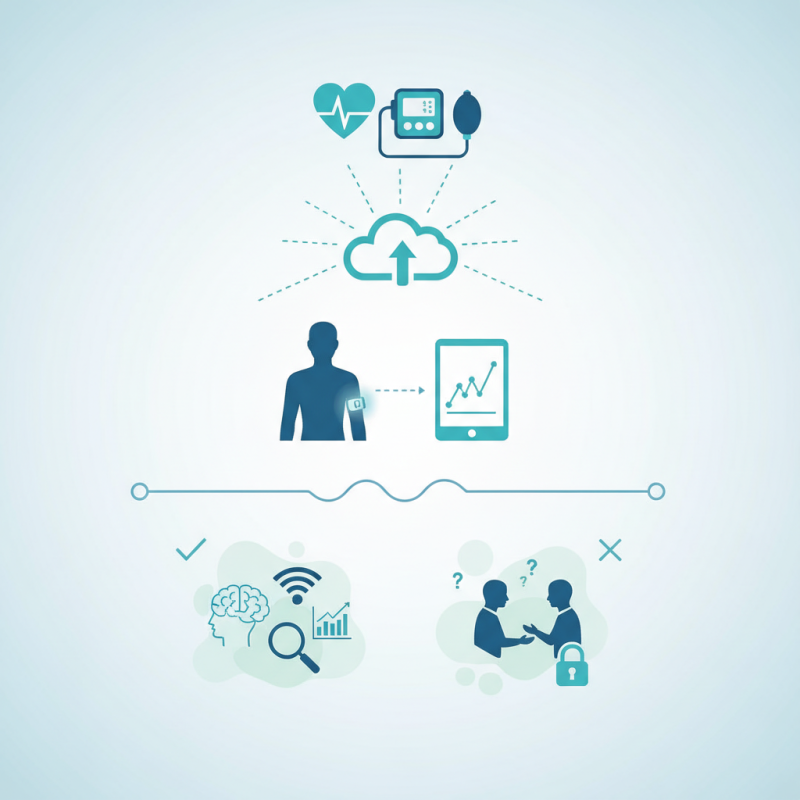
Remote monitoring in healthcare is transforming patient care. Chronic conditions like diabetes, hypertension, and heart disease are prime candidates for remote tracking. According to a report by the World Health Organization, non-communicable diseases account for 71% of global deaths. Remote monitoring can help manage these conditions more effectively.
For instance, patients with diabetes can use continuous glucose monitors. These devices provide real-time glucose readings, improving management strategies. Studies indicate that nearly 60% of patients report greater satisfaction with remote monitoring. However, issues like data privacy and accuracy remain.
Hypertensive patients benefit from monitoring blood pressure at home. This approach allows for timely interventions. A recent survey found that 43% of people who monitor their blood pressure at home see improved control. Yet, reliance on technology can lead to overconfidence. Some patients may ignore traditional check-ups, which are still essential for comprehensive care.
Remote monitoring of health conditions is becoming increasingly important. With the rise of digital health technologies, patients can track vital signs from home. Devices like wearables measure heart rate, blood pressure, and activity levels. This data can provide valuable insights into a person's health.
Telehealth technology plays a crucial role in this transformation. Patients can use smartphones to share health data with medical professionals. They can receive feedback in real-time. Moreover, connected devices can alert healthcare providers about any concerning changes. This immediate communication fosters a collaborative care approach.
However, not all patients are comfortable with remote monitoring. Some may struggle with technology or feel anxious about the data shared. Healthcare providers must address these concerns to build trust. Ensuring that data remains secure is also vital. This enhances not only patient comfort but also the reliability of the information collected.
Remote monitoring has revolutionized chronic disease management. According to a recent report by the American Telemedicine Association, patients using remote monitoring tools can experience a 20% reduction in hospital readmissions. This is vital for chronic conditions like diabetes and heart disease, which affect millions worldwide. By tracking vital signs from home, healthcare providers gain real-time insights. This leads to timely interventions and better patient outcomes.
Data from Johns Hopkins University reveals that remote monitoring can enhance medication adherence by up to 30%. Patients receive prompts and reminders, which help them stay on track with their treatment plans. However, not all patients adapt well to technology. Some may struggle with user interfaces or may feel anxious about data privacy. It's important to address these barriers to improve overall efficacy.
Moreover, a study published in the Journal of Medical Internet Research found that 53% of patients reported feeling more engaged in their personal health management through remote solutions. Yet, there remains a gap. Many patients do not receive adequate training to use these tools effectively. Improving education and support systems is crucial to maximize the potential of remote monitoring in chronic disease care.
Remote health monitoring offers significant potential for tracking various conditions. However, challenges surround its implementation. These hurdles can limit the effectiveness of remote monitoring systems, making it crucial to recognize their implications.
One major challenge is ensuring data accuracy. Devices must reliably capture health metrics. Inaccurate readings can lead to misdiagnosis or inappropriate treatment. Additionally, technical issues can disrupt connectivity. Patients may experience frustration, leading to reduced compliance.
Another concern is data security. With increasing use of wearable technology, healthcare data is more vulnerable. Risks related to unauthorized access need addressing. Furthermore, health disparities can arise. Not everyone has access to technology or the internet. This inequality can hinder the benefits of remote monitoring for certain populations.
| Condition | Monitoring Method | Insights Provided | Challenges | Limitations |
|---|---|---|---|---|
| Diabetes | Continuous Glucose Monitoring (CGM) | Real-time glucose levels, insulin needs | User adherence to devices | Accuracy of data, cost |
| Hypertension | Remote Blood Pressure Monitoring | Daily blood pressure trends | Patient engagement | Device reliability, technical issues |
| Asthma | Smart Inhalers | Usage patterns, triggers | Data interpretation by patients | Variability in usage |
| Heart Disease | Wearable Heart Monitors | Heart rate variability, arrhythmias | Comfort of long-term wear | Sensitivity to motion artifacts |
| Depression | Digital Mood Tracking | Mood patterns over time | Privacy concerns | Self-reporting bias |
Remote health monitoring is evolving rapidly. The technology now allows tracking vital signs, chronic conditions, and more from home. According to a report by ResearchAndMarkets, the remote patient monitoring market is expected to grow by 37% annually through 2025. This growth showcases the increasing reliance on data to manage health effectively.
Patients can now monitor conditions like diabetes, hypertension, and heart issues using wearable devices. These devices collect and transmit data in real-time. This capability helps healthcare providers make informed decisions without needing in-person visits. However, challenges persist. Data security and privacy concerns might hinder widespread adoption. Many users worry about who can access their health data.
Another issue is the accuracy of remote monitoring devices. While many are reliable, some may not provide precise readings. Misinterpretation of data can lead to unnecessary anxiety or incorrect treatment decisions. Continuous innovation in technology must address these concerns while enhancing user experience. Understanding these facets is crucial for future trends in remote health monitoring.
: Chronic conditions like diabetes, hypertension, and heart disease are commonly monitored remotely.
They provide real-time glucose readings, which help improve management strategies for diabetes.
Approximately 60% of patients indicate they are more satisfied with remote monitoring.
It allows them to monitor blood pressure at home, enabling timely interventions.
Yes, some patients may become overconfident and ignore essential traditional check-ups.
Wearable devices that track heart rate, blood pressure, and activity levels are key technologies.
Patients can communicate health data to providers via smartphones, receiving real-time feedback.
Some patients may feel anxious about technology or worry about data privacy.
Ensuring data security builds patient trust and enhances the reliability of collected information.
Providers need to address patients' comfort levels and technology use to enhance overall experiences.
Remote health monitoring is revolutionizing the management of various health conditions, enabling healthcare professionals and patients to gain valuable insights. Key conditions that can be monitored remotely include chronic diseases such as diabetes, hypertension, and heart disease, which benefit significantly from continuous observation. Technologies such as wearable devices, mobile health applications, and telemedicine platforms are pivotal in facilitating this remote monitoring, allowing for real-time data collection and analysis.
The advantages of remote monitoring extend to improved chronic disease management, enhancing patient engagement and adherence to treatment plans. However, challenges remain, including data security concerns and the need for reliable internet connectivity. Looking ahead, future trends in remote health monitoring technologies promise to further enrich patient care by integrating advanced analytics and artificial intelligence, ultimately answering the question of what conditions can be monitored remotely with increasing sophistication and accuracy.

Ocent Monitor