The rise of remote patient monitoring (RPM) is transforming home healthcare. Studies show that RPM can reduce hospital readmission rates by up to 30%. This technology provides real-time health data, allowing healthcare providers to make informed decisions. Patients enjoy the convenience and comfort of receiving care at home.
How does remote patient monitoring support home healthcare? By continuously tracking patients’ vital signs, RPM fosters timely interventions. It can detect issues before they escalate, thereby enhancing patient outcomes. The average cost savings in healthcare from RPM can reach $6,500 per patient annually. However, some patients may struggle with technology, raising questions about accessibility.
While the benefits are clear, challenges remain. Ensuring data security and patient privacy is paramount. Additionally, not all patients are tech-savvy. The gap in digital literacy will need addressing. RPM’s growth is promising, but careful consideration is necessary to maximize its potential in home healthcare.
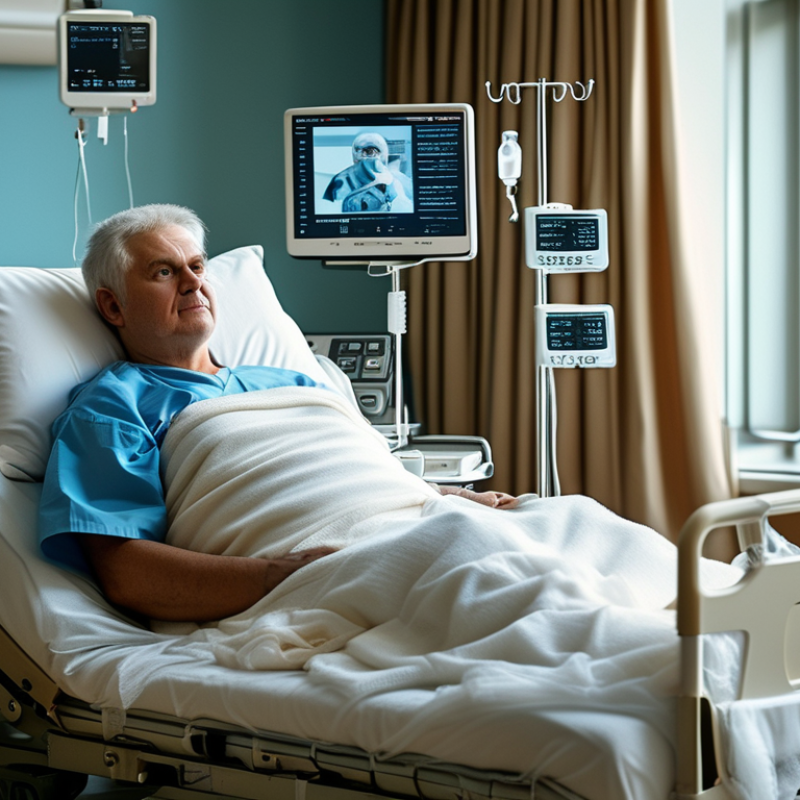
Benefits of Remote Patient Monitoring in Home Healthcare
Remote patient monitoring (RPM) is transforming home healthcare. A recent report by the American Telemedicine Association highlights a 30% reduction in hospital readmission rates due to RPM. Patients using these technologies can adhere to their treatment plans more effectively. They receive real-time feedback on their health metrics, allowing for timely interventions.
RPM offers several benefits. It enhances patient engagement by providing consistent interaction with healthcare providers. A study showed that 70% of patients reported feeling more connected to their care teams. This connection can lead to improved health outcomes and higher patient satisfaction. Data from the Centers for Disease Control and Prevention indicates chronic disease management improves with RPM services.
However, challenges remain. Not all patients have access to the necessary technology or internet services. Health disparities can widen if RPM is not equitably implemented. Training for both patients and healthcare providers is essential. Without proper education, the potential of RPM may not be fully realized. Balancing technology with human touch is crucial for successful home healthcare.
Technology Tools in Remote Patient Monitoring
Remote patient monitoring (RPM) leverages technology tools to enhance home healthcare support. This approach has gained traction in recent years, driven by the need for efficient healthcare delivery. According to a report by Research and Markets, the global RPM market was valued at approximately $50 billion in 2022 and is expected to grow at a CAGR of 27% through 2030. Such growth reflects the increasing adoption of advanced monitoring devices and telehealth services.
Key technological tools in RPM include wearable devices, mobile health apps, and telecommunication platforms. Wearables can track vital signs like heart rate, blood pressure, and glucose levels in real-time. These devices empower patients to take charge of their health. Moreover, mobile health apps facilitate communication between healthcare providers and patients, allowing for timely interventions. Yet, despite these advancements, the implementation of RPM can face challenges. Issues like data privacy, device accuracy, and user engagement remain critical concerns.
As healthcare evolves, the role of technology in RPM will continue to expand. The convenience it offers must be balanced with a commitment to quality care. Continuous feedback from users and healthcare professionals will be essential in refining these tools. Addressing these points can foster a more effective integration of remote patient monitoring into everyday healthcare practices.
Impact of Remote Patient Monitoring on Patient Engagement
Remote Patient Monitoring (RPM) significantly boosts patient engagement in home healthcare. By utilizing technology, caregivers can track vital signs and other health metrics in real-time. Patients receive regular reminders for medication and appointments, fostering a sense of responsibility toward their health.
This engagement leads to better adherence to treatment plans. With improved communication, patients feel more empowered. They can share their concerns instantly, which enhances their relationship with healthcare providers. Yet, some patients may feel overwhelmed by frequent monitoring. Balancing support with autonomy is crucial for long-term success.
Moreover, RPM provides valuable data that informs healthcare decisions. Providers can identify trends and potential issues earlier, which may lead to proactive interventions. However, privacy concerns and data security remain significant. Building trust with patients is essential for the effective use of this technology. Overall, enhancing patient engagement through RPM can transform home healthcare experiences, encouraging a more proactive approach to health management.
Challenges and Limitations of Remote Patient Monitoring
Remote patient monitoring (RPM) is transforming home healthcare. However, its implementation faces several challenges and limitations. According to a recent report by the American Telemedicine Association, nearly 80% of healthcare providers express concerns about technology adoption. Many patients lack the required digital literacy to use these tools effectively. This gap can hinder their engagement in self-management of chronic conditions.
Privacy and security are major concerns as well. A survey by the Healthcare Information and Management Systems Society found that around 50% of patients worry about data breaches. When patients feel insecure about their personal health information, they may hesitate to fully utilize monitoring technologies. Additionally, some RPM devices are costly. Financial constraints can limit accessibility for low-income patients, exacerbating health disparities.
Another notable limitation is the inconsistency in data interpretation. Variability in devices can lead to confusion among healthcare providers. A study published in the Journal of Medical Internet Research stated that nearly 40% of healthcare professionals find discrepancies in data between devices. These differences can affect clinical decisions and trust in RPM systems. Continuous improvement and standardization are necessary for RPM to reach its full potential in supporting home healthcare.
Future Trends in Remote Patient Monitoring for Home Healthcare
Remote patient monitoring (RPM) is shaping the future of home healthcare. By allowing healthcare providers to track patient data in real-time, RPM enables timely interventions. It enhances the ability to manage chronic conditions effectively from home. Patients feel empowered when they can monitor their health actively.
The future trends in RPM include the integration of artificial intelligence. AI can analyze vast amounts of data and predict health deteriorations before they happen. Wearable devices are becoming more sophisticated. They can monitor vital signs continuously, giving healthcare providers deeper insights into patient health.
Tips for effective RPM:
- Ensure devices are user-friendly. Patients should not struggle with complex technology. Simple interfaces encourage engagement.
- Regular training sessions for patients can enhance their understanding of RPM tools. When patients feel comfortable, they are more likely to use the technology.
- Implement feedback loops. Collecting patients’ thoughts on their experiences can provide valuable insights. It’s essential to refine services based on real user input.
Research suggests that RPM can save costs and improve patient outcomes. However, it also raises questions about data privacy and security. Balancing technology and personal interaction remains crucial in home healthcare. As RPM evolves, ethical considerations must be front and center.
FAQS
: RPM uses technology to monitor patients' health remotely, enhancing home healthcare support.
RPM has improved efficiency in healthcare, driven by the need for practical and immediate health solutions.
Key tools include wearable devices, mobile health apps, and telecommunication platforms for real-time tracking.
Wearables track vital signs like heart rate and blood pressure, allowing patients to manage their health effectively.
RPM boosts engagement by sending reminders for medication and facilitating timely communication with healthcare providers.
Yes, challenges include data privacy, device accuracy, and ensuring patients stay engaged without feeling overwhelmed.
RPM provides valuable data, helping providers identify trends and issues for proactive interventions.
Trust is vital to alleviate privacy concerns and ensure patients are comfortable using RPM technologies.
Not always; some patients may feel too monitored, indicating a need for a balance between support and autonomy.
Continuous feedback from users and healthcare professionals is crucial for improving the effectiveness of RPM.
Conclusion
Remote patient monitoring (RPM) plays a pivotal role in enhancing home healthcare support by facilitating continuous tracking of patients' health metrics outside of traditional clinical settings. By leveraging technology tools such as wearable devices and mobile applications, RPM enables healthcare providers to gather real-time data on patients' vital signs, thereby improving the accuracy of diagnoses and treatment plans. This approach not only fosters greater patient engagement by empowering individuals to take charge of their health but also improves communication between patients and healthcare professionals.
However, the implementation of RPM is not without challenges; issues such as data privacy, technology accessibility, and the need for patient education can pose significant limitations. Looking ahead, future trends in RPM are expected to focus on integrating advanced analytics and artificial intelligence, which can further enhance patient care and streamline healthcare processes. In summary, understanding **how remote patient monitoring supports home healthcare** is essential for maximizing its benefits while addressing the inherent challenges.

 Ocent Monitor