Remote patient monitoring (RPM) has transformed healthcare delivery by linking patients with providers outside clinical settings. According to recent studies, RPM can lead to a 38% reduction in hospital admissions. This data highlights how does remote patient monitoring improve patient outcomes for chronic diseases, such as diabetes and hypertension. By utilizing devices that track vital signs, healthcare providers can intervene early, preventing complications.
Furthermore, a report from the American Journal of Managed Care indicated that RPM increased patient engagement by 70%. Patients feel more in control and informed about their health. However, challenges remain, including technology accessibility and patient adherence. Some patients struggle with using devices, which can lead to data gaps. This calls for better training and support systems.
Overall, the integration of RPM in healthcare can significantly enhance patient outcomes. Yet, constant evaluation and adaptation of these technologies are essential. Understanding how does remote patient monitoring improve patient outcomes involves addressing both its benefits and limitations. Engaging patients in this process is crucial for success.
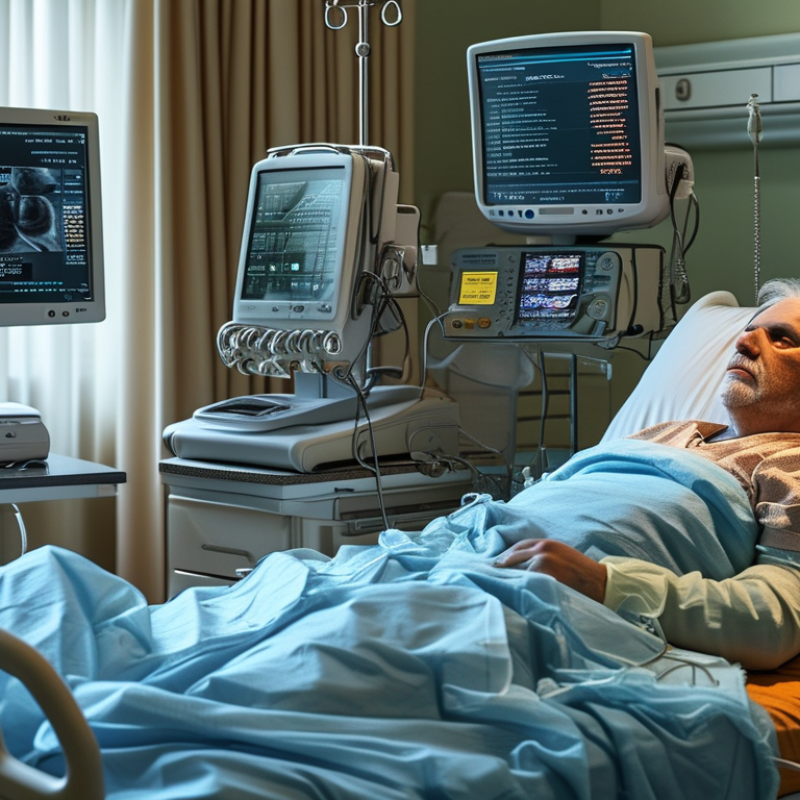
Overview of Remote Patient Monitoring and Its Importance
Remote patient monitoring (RPM) is changing how healthcare is delivered. This technology allows clinicians to track patients' health outside traditional settings. Studies show that RPM can reduce hospital readmissions by up to 30%, highlighting its impact on patient outcomes. By continuously collecting data, providers can identify issues early. This proactive approach often leads to timely interventions.
The importance of RPM extends to chronic disease management. For instance, patients with diabetes using RPM can improve their condition significantly. Research indicates that better glucose control can reduce complications by 40%. This showcases RPM's potential to enhance quality of life while potentially lowering healthcare costs.
However, not all patients engage with RPM equally. Some face barriers like technology literacy and access to devices. These disparities can affect overall efficacy. Healthcare providers must consider these challenges. By focusing on inclusive strategies, the aim is to ensure that RPM benefits all patient groups effectively. Ensuring accessibility remains a key concern that needs addressing in future expansions of remote monitoring.
Key Technologies Used in Remote Patient Monitoring Systems
Remote patient monitoring (RPM) transforms healthcare with innovative technologies. Wearable devices are at the forefront. They track vital signs like heart rate, glucose, and oxygen levels in real-time. Data collected is sent directly to healthcare providers for analysis. This timely information allows for swift interventions.
Mobile applications also play a critical role. Patients can easily access their health data through user-friendly interfaces. Alerts and reminders encourage medication adherence and routine check-ups. These simple tools foster patient engagement, creating a sense of ownership over personal health. Yet, the challenge remains in ensuring all patients can use these technologies effectively.
Telehealth solutions enhance RPM by allowing virtual consultations. Patients can discuss concerns without needing to visit a clinic. While this approach increases accessibility, it also raises questions. Will remote technology replace the personal touch of in-person visits? Balancing technology and human interaction is crucial. Finding effective strategies to integrate both will be essential for improved patient outcomes.
Impact of Remote Patient Monitoring on Patient Outcomes
Impact of Remote Patient Monitoring on Chronic Disease Management
Remote patient monitoring (RPM) is transforming chronic disease management. Patients can now use devices that track vital signs in real time. This immediate access to health data allows healthcare providers to make timely decisions. For instance, a sudden spike in blood glucose can prompt a swift response. Regular monitoring reduces hospital visits and keeps patients connected to care.
However, the technology presents challenges. Not all patients can access or understand RPM tools. Digital literacy varies widely. Some individuals may feel overwhelmed by constant alerts. They might ignore crucial information, thinking they can manage on their own. Moreover, reliance on technology raises questions about privacy. Patients must trust that their data will be handled securely.
Over time, RPM can encourage patients to take an active role in their health. Engaging with their data can motivate lifestyle changes. Many patients report feeling more in control. Yet, the effectiveness of RPM depends on a supportive care team. Regular communication and guidance are essential. Without this, technology can feel isolating rather than empowering. The journey towards enhanced outcomes is ongoing and requires careful navigation.
Enhancing Patient Engagement and Compliance Through Monitoring
Remote patient monitoring (RPM) offers a transformative approach to enhancing patient engagement and compliance. By using RPM tools, patients can easily connect with their healthcare providers. Studies show that RPM leads to a 50% increase in patient adherence to treatment plans. This real-time feedback encourages patients to stay engaged in their health management journey.
However, while RPM shows promise, it is not without challenges. Some patients feel overwhelmed by technology, causing anxiety about using devices. A recent survey found that 30% of patients hesitate to engage with RPM due to these technical concerns. Healthcare providers must address these issues through proper training and support, ensuring that patients feel comfortable and empowered.
Additionally, consistent monitoring can sometimes lead to over-reliance on technology. Patients may overlook the importance of regular doctor visits, believing RPM suffices. It’s crucial for healthcare systems to balance technology and personal interaction. With thoughtful implementation, RPM can bridge the gap between patients and caregivers, while also fostering a safer, more engaging healthcare experience.
Outcome Measurement: Evaluating Effectiveness of Remote Patient Monitoring
Remote patient monitoring (RPM) offers a unique way to evaluate patient outcomes. By utilizing technology, healthcare providers can track vital signs and symptoms in real-time. This immediate access helps in making informed decisions. Patients report better management of chronic conditions, leading to improved health.
Effectiveness lies in consistent data collection. However, not every patient engages equally. Some may struggle with technology or lack motivation. This inconsistency can skew results and create gaps in understanding their real benefits. On the flip side, patients who actively participate often show significant improvement in their health metrics.
The challenge remains in measuring these outcomes accurately. RPM data must be easy to interpret and apply. Healthcare providers need training to ensure they use this data effectively. Moreover, continuous feedback from patients is essential to refine the process. As RPM evolves, recognizing its limitations will be crucial in enhancing its impact on patient care.
How does remote patient monitoring enhance patient outcomes?
| Patient Group |
Monitoring Technology |
Outcome Improved |
Improvement Percentage |
| Chronic Obstructive Pulmonary Disease (COPD) |
Wearable Pulse Oximeters |
Decrease in Hospitalizations |
30% |
| Diabetes |
Continuous Glucose Monitors |
Improved Glycemic Control |
25% |
| Heart Failure |
Digital Weight Scales & Blood Pressure Monitors |
Reduction in Readmissions |
40% |
| Hypertension |
Mobile Blood Pressure Monitors |
Better Blood Pressure Control |
20% |
| Obesity |
Smart Scales & Activity Trackers |
Weight Loss Success |
35% |
FAQS
: RPM is a technology that allows patients to track their vital signs in real time.
It enables timely health decisions, reducing hospital visits and keeping patients connected to care.
Some struggle with technology and may feel overwhelmed by constant alerts and information.
Yes, studies show a 50% increase in patient adherence to treatment plans with RPM.
Proper training helps patients feel comfortable and empowered to use RPM tools effectively.
No, patients must maintain regular visits; RPM should complement, not replace, personal interaction.
Effectiveness is gauged through consistent data collection and patient feedback.
Patients may neglect the importance of in-person visits, leading to gaps in care.
Engagement can motivate lifestyle changes and improve management of chronic conditions.
A supportive care team and regular communication are crucial for maximizing RPM benefits.
Conclusion
Remote patient monitoring (RPM) is a transformative approach in healthcare that leverages technology to enhance patient outcomes. By providing real-time data collection and analysis, RPM facilitates early detection of complications and promotes active management of chronic diseases. Key technologies such as wearable devices and mobile health applications play a crucial role in these systems, allowing for continuous monitoring and timely interventions. The impact on chronic disease management is profound, as patients receive personalized care plans and feedback, which significantly improves adherence to treatments.
Furthermore, RPM fosters greater patient engagement and compliance by empowering individuals to take charge of their health. Regular monitoring helps patients stay connected with their healthcare providers, enhancing communication and trust. Evaluating the effectiveness of RPM reveals positive outcomes, showcasing how remote patient monitoring improves patient outcomes through better management of health conditions, increased adherence to treatment, and enhanced overall patient satisfaction.

 Ocent Monitor