10 Helpful Tips on Remote Patient Monitoring for Elderly Care?

Time:2026-07-26 Author:Charlotte
0%

As the world’s population ages, the need for effective elderly care has become critical. A recent report from the World Health Organization indicates that by 2050, the number of people aged 60 and older will reach 2 billion. This demographic shift raises an important question: can remote patient monitoring help elderly patients? Research shows these technologies can enhance healthcare delivery and improve patient outcomes.

Remote patient monitoring utilizes digital tools to track health data outside of traditional clinical settings. A study published in the Journal of Telemedicine and Telecare found that seniors who engaged with remote monitoring experienced 20% fewer hospital admissions. This data illustrates that when integrated thoughtfully, these systems can provide constant health oversight. However, implementation is not without challenges, including technology access and user training.

The impact of remote monitoring extends beyond immediate health benefits. For elderly patients, it enhances independence while allowing for timely intervention when necessary. Nevertheless, caregivers must evaluate the effectiveness and usability of these technologies. Overall, remote patient monitoring offers promising solutions for elderly care but requires careful consideration and continuous reflection on its execution.
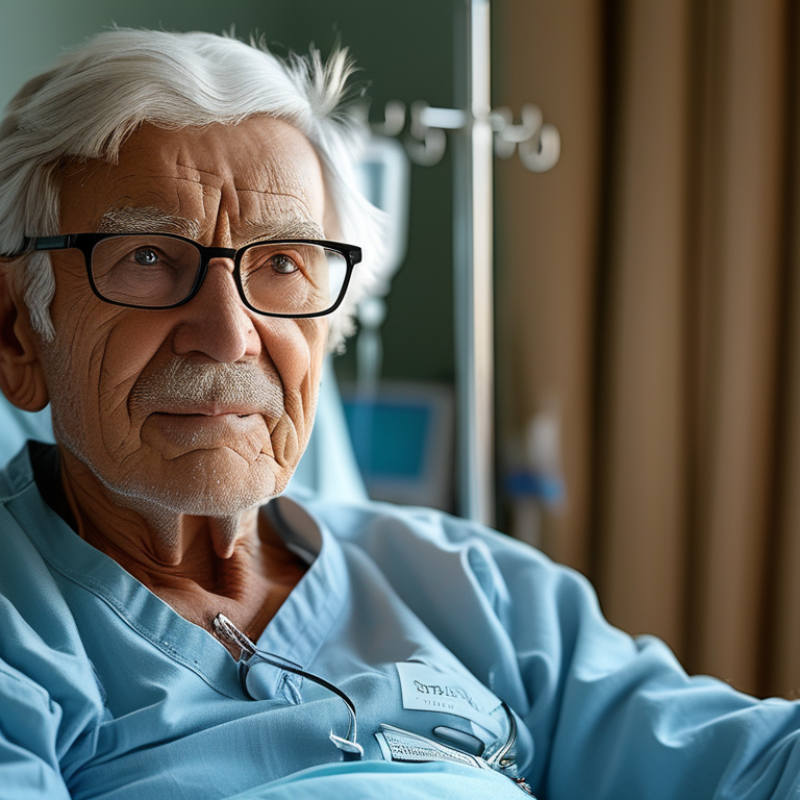
10 Helpful Tips on Remote Patient Monitoring for Elderly Care?

Understanding Remote Patient Monitoring Technologies for the Elderly

Remote patient monitoring (RPM) technologies are transforming elderly care. They allow healthcare providers to track patients' health from a distance. Many devices are non-invasive, providing real-time data about vital signs. Examples include heart rate monitors and blood pressure cuffs. These devices can alert caregivers to any changes in health conditions.

Despite their advantages, challenges exist. Some elderly patients may struggle with technology. User interfaces are often not intuitive. Training might be necessary to ensure proper use. Additionally, privacy concerns can arise with data sharing. Ensuring robust data security measures is crucial.

Understanding how RPM works helps caregivers provide better support. Familiarity with various technologies can improve patient outcomes. Caregivers need continuous education about these tools. This can enhance their ability to monitor and respond to patients effectively. Careful consideration of each patient's unique needs is essential. Adapting solutions to fit individual lifestyles can lead to more successful implementations.

Key Benefits of Remote Monitoring in Elderly Healthcare Management

Remote patient monitoring offers significant advantages for elderly care. One key benefit is continuous health tracking. This allows healthcare providers to monitor vital signs in real-time. By collecting data on heart rate, blood pressure, and oxygen levels, care teams can quickly identify concerns. Early detection of potential issues can lead to timely interventions. This proactive approach often prevents hospitalizations.

Additionally, remote monitoring enhances patient engagement. Elderly patients feel more empowered as they participate in their own health management. They can receive reminders for medication and appointments through user-friendly devices. This can lead to better adherence to treatment plans. However, it is important to ensure that technology is accessible to all. Some seniors may face challenges in understanding new gadgets.

Furthermore, remote monitoring reduces the burden on caregivers. Family members can rest easier knowing that health data is being monitored regularly. However, caregivers need training on how to interpret this data. Misunderstanding the information can lead to unnecessary worry or complacency. Balancing technology with human touch is crucial in elderly care.

10 Helpful Tips on Remote Patient Monitoring for Elderly Care

Tip Description Benefits Tools/Technologies
1. Monitor Vital Signs Regularly track blood pressure, heart rate, and oxygen levels. Early detection of health issues. Wearable devices, smartphone apps.
2. Medication Reminders Set up reminders for medication schedules. Improved medication adherence. Smartphone notifications, pillboxes with alarms.
3. Telehealth Visits Use video calls for doctor consultations. Access to care without travel stress. Telehealth platforms, video conferencing tools.
4. Activity Tracking Encourage regular physical activity through tracking. Enhanced physical health and mobility. Fitness trackers, mobile apps.
5. Nutritional Monitoring Track dietary intake and nutritional needs. Improved dietary habits and health outcomes. Nutrition apps, online food journals.
6. Emergency Alerts Provide systems for immediate health alerts. Prompt response to emergencies. Medical alert systems, mobile apps.
7. Social Interaction Encourage virtual social interactions. Reduced feelings of isolation. Social media, video chat applications.
8. Regular Health Check-ins Conduct regular health assessments. Continuity of care and monitoring. Health monitoring platforms, surveys.
9. Family Engagement Keep family updated on health status. Increased support and involvement in care. Family messaging apps, shared health records.
10. Educational Resources Provide access to health education materials. Better understanding of health issues. Online courses, webinars.

Best Practices for Implementing Remote Patient Monitoring Systems

Remote patient monitoring (RPM) offers a transformative approach to elderly care, yet its implementation requires careful planning. One best practice is to ensure that all technology is user-friendly. Many elderly patients may not be tech-savvy. Designing devices with larger screens and simple interfaces can ease their use. Training caregivers to assist in the setup also fosters confidence.

Another critical aspect is data security. Protecting patient information is paramount. Implementing strong encryption and regular software updates can mitigate risks. Healthcare providers must also educate patients about privacy concerns. Communication plays a key role here. Regular check-ins can reassure both patients and families about their loved ones' safety.

Finally, evaluating the effectiveness of the RPM system should be ongoing. Gathering feedback can highlight areas for improvement. For instance, if patients report difficulty understanding the data, alterations may be necessary. Tracking health outcomes over time also provides insights into the system's impact. Balancing technology and personal care can offer the best of both worlds for elderly patients.

Remote Patient Monitoring for Elderly Care: Key Metrics

Ensuring Data Security and Privacy in Remote Patient Monitoring

Remote patient monitoring (RPM) has become vital in elderly care. It offers convenience but also raises concerns about data security and privacy. According to a report by the Global Market Insights, the RPM market is expected to reach $1.5 billion by 2025. This growth implies more data handling, which increases the risk of data breaches.

Elderly patients often share sensitive health information online. This data must be protected with robust security measures. Encryption is a key method for keeping information secure. It transforms data into a coded format, ensuring that only authorized users can access it. However, many caregivers may not fully understand encryption, leading to potential vulnerabilities.

Moreover, compliance with regulations like HIPAA is crucial. It mandates that patient data must be kept confidential. A survey from the Health Information and Management Systems Society found that only 60% of providers are fully compliant. This means many organizations are still at risk. Awareness and training are essential. A misguided approach to data handling can compromise patient privacy, which is especially critical for the elderly. Investing in ongoing education about these challenges can help ensure better security.

Engaging Family Members and Caregivers in the Monitoring Process

Engaging family members in remote patient monitoring for elderly care is crucial. Research shows that elderly patients with active family involvement experience better health outcomes. A study from the Journal of Telemedicine and Telecare indicated that 65% of elderly patients felt more secure when their family was involved in their care.

Family members can help interpret data collected from monitoring devices. Understanding vitals and trends requires teamwork. For example, when a wearable device indicates irregular heart patterns, a family member can help alert a caregiver. This collaboration fosters a sense of security and prompts quicker interventions.

However, challenges exist. Not all families are comfortable with technology. A survey by Pew Research Center revealed that nearly 40% of seniors find new technology overwhelming. This gap can lead to frustration and missed opportunities for improved health. Engaging family members through training or support can bridge this divide. Keeping family in the loop can transform monitoring into a shared responsibility, potentially benefiting the patient's health.

FAQS

: What is remote patient monitoring (RPM)?

: RPM allows healthcare providers to track elderly patients' health from a distance using various non-invasive devices.

What types of devices are commonly used in RPM?

Common devices include heart rate monitors and blood pressure cuffs. They provide real-time data about patients' vital signs.

What challenges do elderly patients face with RPM technology?

Many elderly patients struggle with technology. User interfaces may not be intuitive, requiring additional training and support.

How important is data security in RPM?

Data security is vital. Protecting patient information from breaches requires strong encryption and regular software updates.

How can caregivers improve their RPM implementation?

Caregivers must continuously educate themselves about RPM tools. Understanding technology enhances their ability to monitor patients effectively.

What can be done to ensure elderly patients use RPM tools confidently?

User-friendly designs and larger screens help. Training caregivers to assist with technology setup also fosters patient confidence.

Why is ongoing evaluation of RPM systems important?

Continuous feedback highlights areas needing improvement. Tracking health outcomes helps assess the RPM system's overall impact.

How can privacy concerns be addressed in RPM?

Educating patients about data security is crucial. Clear communication reassures patients and families about safety.

Are providers compliant with data protection regulations?

Many are not. A survey showed that only 60% are fully compliant with regulations like HIPAA, posing risks.

What can compromise patient privacy in RPM?

A lack of understanding of proper data handling can lead to vulnerabilities. Continuous education is needed to prevent this.

Conclusion

Remote patient monitoring (RPM) is transforming elderly care by leveraging technology to enhance healthcare management for older adults. Understanding RPM technologies is crucial, as they provide real-time health data that can help healthcare providers track vital signs and manage chronic conditions effectively. The key benefits of RPM include improved patient outcomes, increased convenience, and better communication between patients and healthcare professionals. Implementing best practices, such as ensuring user-friendly technology and training for caregivers, is essential for successful adoption.

Ensuring data security and privacy is paramount in RPM, as sensitive health information must be protected. Engaging family members and caregivers in the monitoring process fosters a supportive environment and encourages adherence to health regimens. Consequently, the question "can remote patient monitoring help elderly patients?" is answered affirmatively, as RPM not only enhances healthcare delivery but also empowers seniors to maintain their health while living independently.

Charlotte

Charlotte

Charlotte is a seasoned marketing professional with a deep understanding of the company's portfolio and a passion for elevating its presence in the market. With a keen eye for detail and a commitment to excellence, she ensures that our professional blog is regularly updated with insightful articles......