Kuala Lumpur is rapidly emerging as the "Health-Tech Hub" of Southeast Asia. Driven by the Malaysia Digital Economy Corporation (MDEC) and the MyDigital initiative, the city is transitioning from reactive medical treatments to proactive Remote Patient Monitoring (RPM). As a leading mobile health monitoring manufacturer and supplier, we recognize that Kuala Lumpur's aging population and the rise of chronic conditions demand a new paradigm of connectivity.
The convergence of 5G infrastructure in the Klang Valley and the increasing adoption of IoMT (Internet of Medical Things) devices is creating an unprecedented demand for high-precision, medical-grade wearables and smart sensors. Our solutions serve as the critical link between home-based care and clinical intervention.
Globally, mobile health (mHealth) has evolved from basic step-counting to sophisticated clinical-grade telemetry. In Kuala Lumpur, this shift is manifested in several key scenarios:
Shenzhen Ocent Monitor Co., Ltd. is a technology-driven manufacturer specializing in remote patient monitoring systems, telehealth monitoring solutions, and digital healthcare technologies. Established in 2016, the company is headquartered in Shenzhen, China, one of the world's leading innovation and electronics manufacturing hubs.
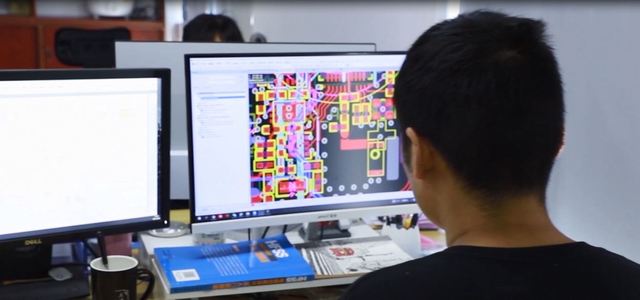
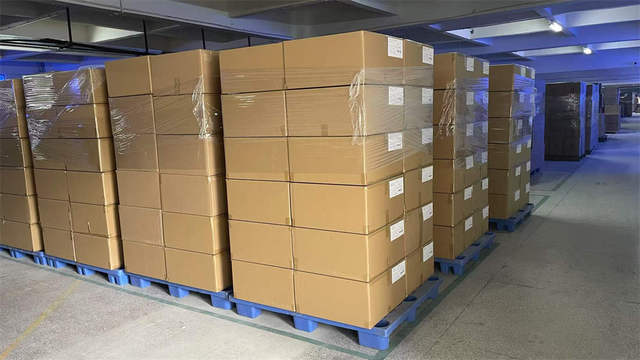
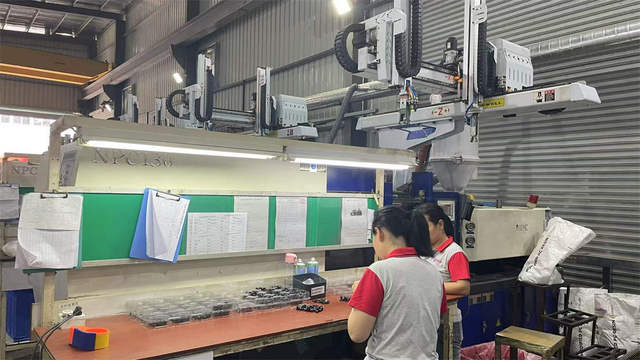
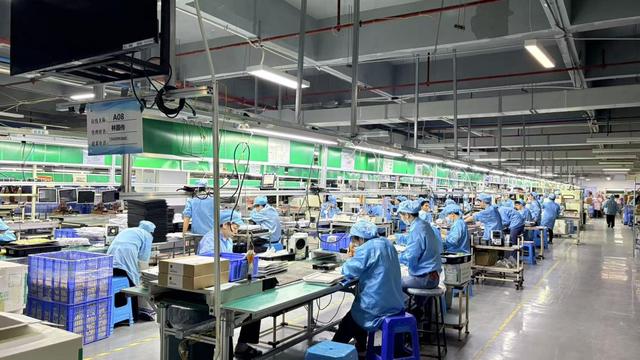
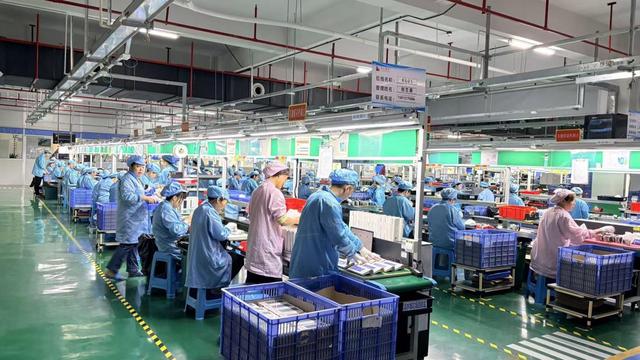
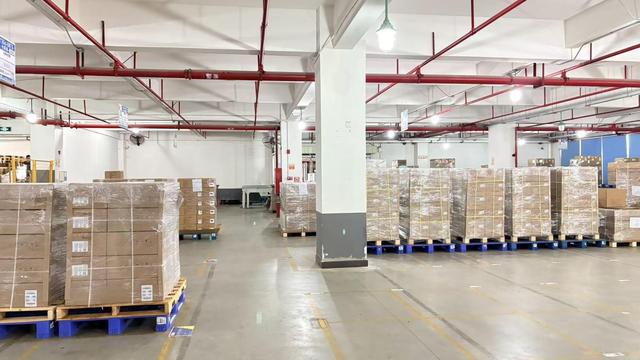
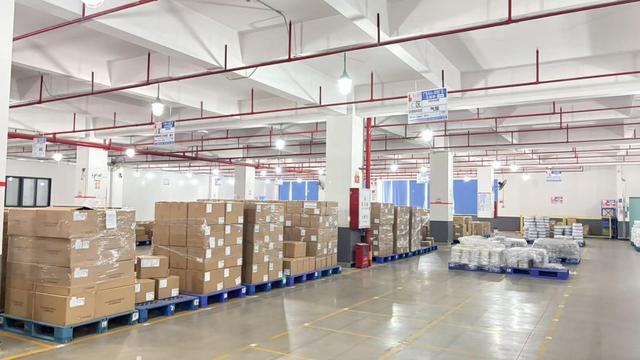
With a modern production facility covering more than 8,000 square meters and a workforce of over 180 employees, Ocent Monitor focuses on the design, development, and manufacturing of intelligent healthcare monitoring solutions for hospitals, clinics, long-term care facilities, and home healthcare providers worldwide.
The company's product portfolio includes remote patient monitoring systems, wireless vital sign monitoring devices, telehealth platforms, chronic disease management solutions, wearable health monitoring technologies, and healthcare IoT integration systems. By combining advanced sensor technology, cloud connectivity, and data management capabilities, Ocent Monitor helps healthcare organizations improve patient engagement, enhance care efficiency, and support continuous health monitoring beyond traditional clinical settings.
Our Shenzhen facility offers the unique "China Speed," allowing us to go from prototype to mass production in weeks rather than months, ensuring Kuala Lumpur suppliers can meet urgent procurement tenders.
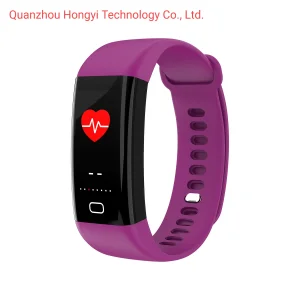
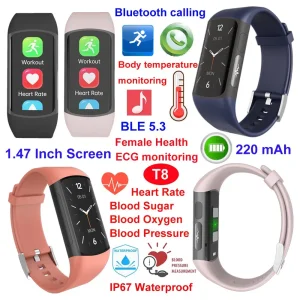
We utilize the latest photoplethysmogram (PPG) and electrocardiogram (ECG) sensor technology, providing clinical-grade accuracy that surpasses consumer-level gadgets.
Our devices support SDK/API integration, allowing KL-based software developers to easily sync our hardware with local hospital management systems (HMS).
When sourcing mobile health monitoring equipment in Kuala Lumpur, professional buyers must consider the "Information Gain" of the hardware. It is no longer just about the device; it's about the data integrity and the ecosystem.
Supply Chain Advantage: By partnering with a Shenzhen-based manufacturer like Ocent, KL suppliers benefit from the RCEP (Regional Comprehensive Economic Partnership) agreement, reducing tariffs and streamlining logistics through the Port of Klang.
OEM/ODM Capabilities: We offer tailored solutions for Kuala Lumpur’s private medical groups. Whether it's custom firmware for "Malay/English/Chinese" language support or branding for local clinic chains, our factory is equipped to handle diverse requirements.
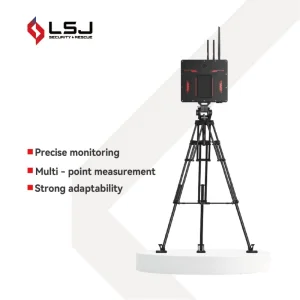
Beyond human monitoring, the expansion of Kuala Lumpur’s infrastructure (like the TRX or PNB 118) requires Structural Health Monitoring. Our wireless radar sensors provide sub-millimeter deformation monitoring, ensuring the safety of the urban landscape alongside the health of its citizens.
A: Yes, we provide comprehensive SDKs and APIs that support standard health data protocols, allowing seamless integration with hospital management systems used in Kuala Lumpur and throughout Malaysia.
A: Absolutely. We offer full OEM/ODM services, including custom logo placement, packaging design, and firmware localization to suit the Malaysian market’s needs.
A: Our factory in Shenzhen follows ISO 13485 standards. Every device undergoes rigorous testing against clinical gold standards for heart rate, SpO2, and blood pressure monitoring.
A: For standard products, lead time is usually 2-3 weeks. Custom OEM orders may take 4-6 weeks depending on the complexity, with efficient shipping to Port Klang.
Contact our specialist team today for a custom quote and technical consultation.
Send Inquiry Now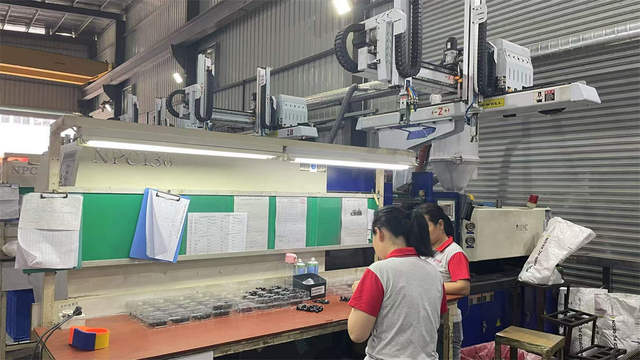
 Ocent Monitor