In the vast landscape of Mali, extending from the Sahelian regions to the urban hub of Bamako, the healthcare infrastructure faces unique challenges. With a rising prevalence of non-communicable diseases (NCDs), particularly Type 2 Diabetes, the demand for sustainable, cost-effective Remote Glucose Monitoring (RGM) systems has reached a critical tipping point. Traditional clinic-based testing is often inaccessible for rural populations in regions like Kayes, Mopti, or Sikasso.
The Malian healthcare market is currently undergoing a structural transformation. The government's focus on universal health coverage, supported by agencies like CANAM (Caisse Nationale d’Assurance Maladie), is creating a fertile ground for digital health adoption. However, the commercial reality requires devices that are resilient to high temperatures, dust-prone environments, and varying levels of internet connectivity (2G/3G/4G). As a premier exporter, our focus is not just on selling hardware, but on providing an end-to-end ecosystem that integrates with local telecommunication providers like Malitel and Orange Mali.
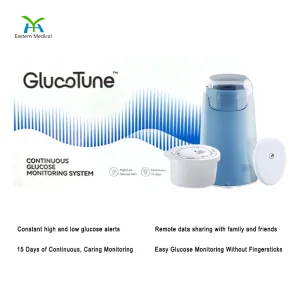
Bamako-based endocrinologists can now monitor hundreds of patients simultaneously via our cloud-linked Continuous Glucose Monitoring (CGM) dashboards.
Low-bandwidth data transmission protocols ensure that even patients in remote villages can sync vital health metrics with central clinics.
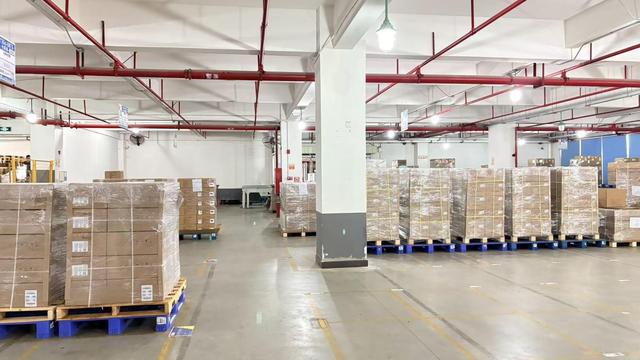
Direct-from-factory logistics from Shenzhen to Bamako ensure a consistent supply of sensors and transmitters, minimizing the risk of stockouts.
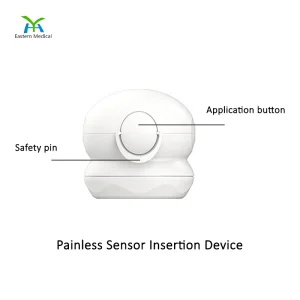
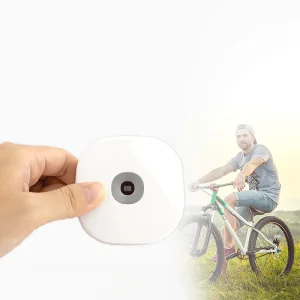
The evolution of remote glucose monitoring is moving away from invasive "finger-prick" methods toward Continuous Glucose Monitoring (CGM) and AI-driven predictive analytics. Our R&D roadmap for the Mali market focuses on three key pillars:
Developing sensor adhesives and electronic housings that can withstand the Saharan climate. Our next-generation sensors are tested for stability in temperatures up to 50°C, ensuring accuracy remains uncompromised by the local environment.
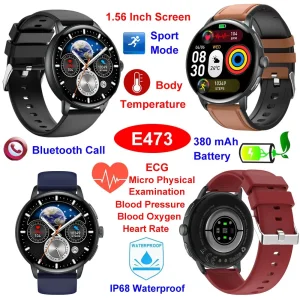
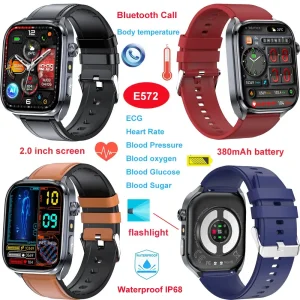
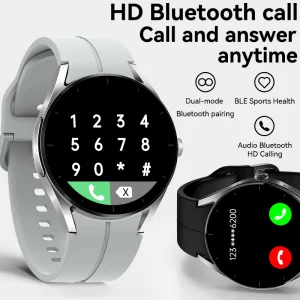
By utilizing the Digital AI Q&A Smart Bluetooth Bracelets, we provide patients with instant feedback. For example, the system can alert a patient in Kayes about a potential hypoglycemic event 30 minutes before it occurs, using proprietary algorithms that analyze lifestyle and glucose trends.
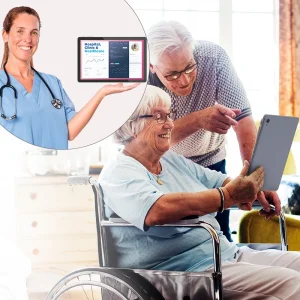
Our 8-10 Inch Smart Tele-Medical Tablet PCs serve as the bridge between the patient and the provider. These devices are configured with multilingual interfaces (French and local dialects) to ensure high user compliance and clinical efficacy.
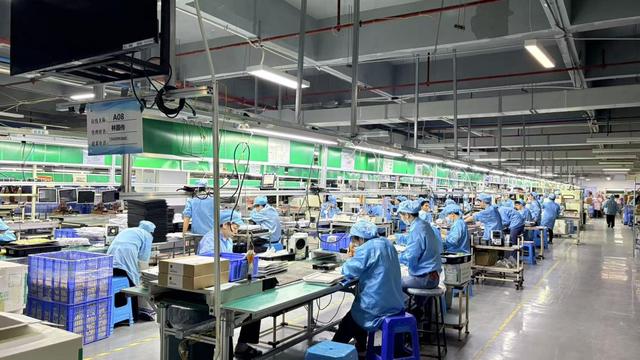
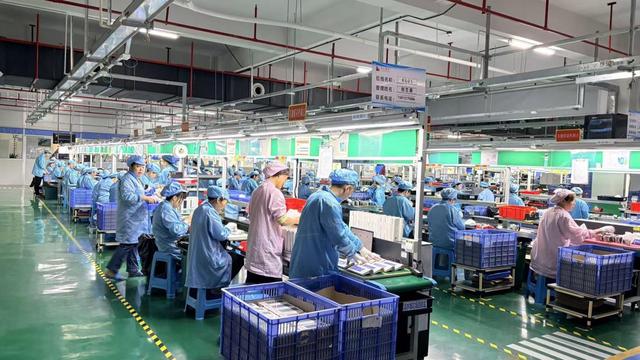
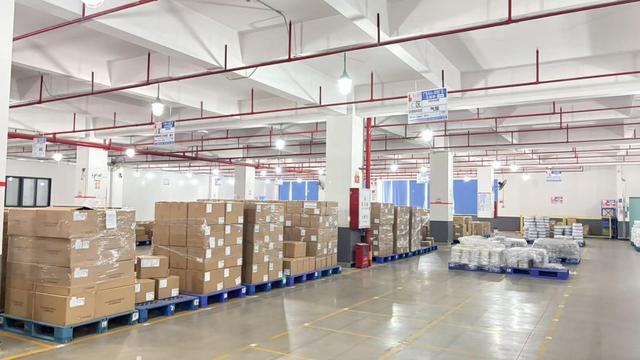
Shenzhen Ocent Monitor Co., Ltd., established in 2016, is a leader in the digital healthcare space. Our 8,000-square-meter facility in Shenzhen operates under strict ISO 13485 standards, ensuring that every product exported to Mali meets international medical-grade benchmarks.
Our competitive advantage lies in the vertical integration of our supply chain. Unlike standard exporters, we control the entire lifecycle—from PCB assembly and sensor calibration to the development of the backend cloud infrastructure. This ensures that we can offer OEM/ODM services that are specifically tailored to the Malian healthcare regulatory environment.
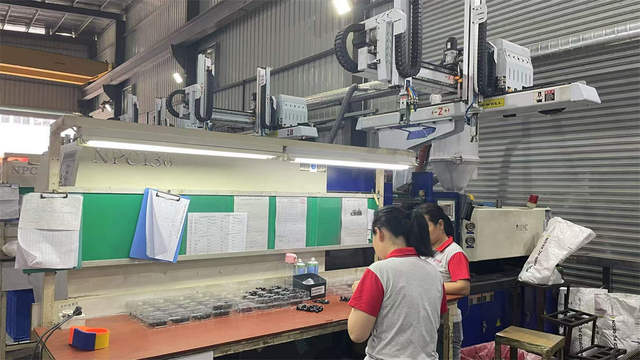
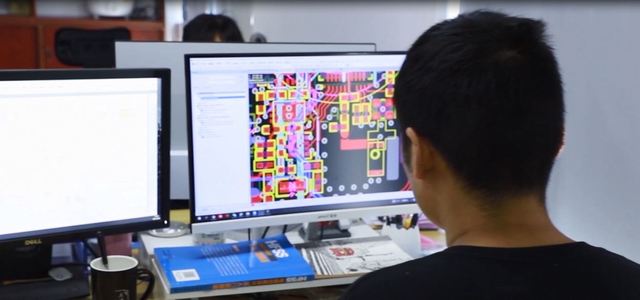
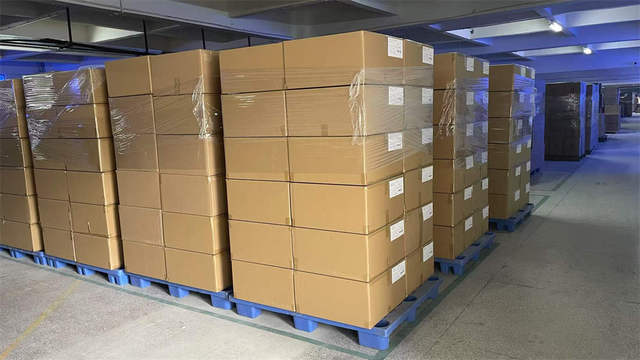
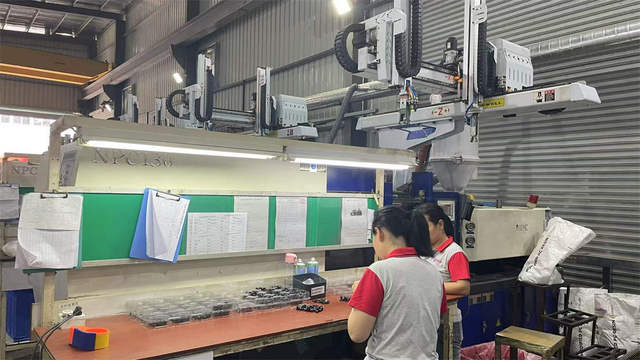
For our Malian partners, this means short lead times and guaranteed quality. We understand the logistical complexities of shipping to West Africa and have optimized our packaging to protect sensitive medical electronics during long-haul transit.
We don't just provide a product; we provide a solution tailored for the actual use cases in Mali:
Equipping state-run hospitals in Bamako with central monitoring stations to track glucose levels of hospitalized diabetic patients, reducing nursing workload.
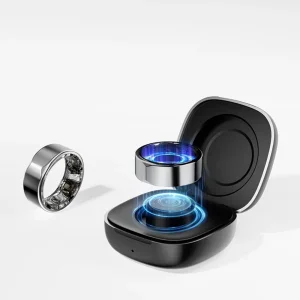
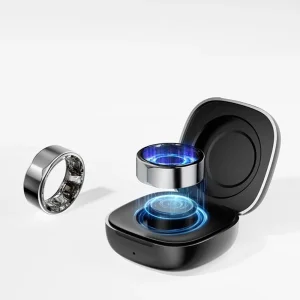
Portable monitoring rings and wristbands for mobile health clinics traveling to rural Mopti, allowing for longitudinal data collection even with intermittent power.
Remote monitoring for large-scale mining operations in Mali, ensuring the health and productivity of the workforce in isolated locations.
The global Remote Patient Monitoring (RPM) market is projected to grow by 18% CAGR. Mali is at the forefront of this growth in West Africa. Shenzhen Ocent Monitor ensures that all products exported to Mali comply with both CE/FDA international standards and local requirements set by the Malian Ministry of Health (Ministère de la Santé et du Développement Social).
Our "Information Gain" approach ensures that Malian clinicians receive more than just data—they receive actionable insights categorized by patient risk levels, enabling them to prioritize high-risk diabetic cases effectively.
Q: Can Ocent's remote monitoring devices work with Mali's local network providers?
A: Yes, our devices are compatible with both Malitel and Orange Mali networks. We support multiple frequency bands to ensure connectivity in both urban Bamako and rural regions.
Q: Do you offer localized training for Malian hospitals?
A: Absolutely. We provide comprehensive digital manuals, video tutorials, and remote technical support in French. For large-scale government tenders, we can arrange on-site technical training.
Q: What is the average lead time for a shipment from Shenzhen to Bamako?
A: Standard production takes 15-25 days. Shipping varies by method: Air freight to Bamako (BKO) usually takes 7-10 days, while sea freight via Dakar port followed by land transit takes 45-60 days.
Q: Are the glucose monitoring systems calibrated for the high-temperature environment of Mali?
A: Yes, our medical sensors are designed for high thermal stability and our cloud algorithms include environmental compensation factors to maintain medical-grade accuracy in Saharan conditions.
Partner with China's leading remote monitoring factory to deliver high-quality, reliable healthcare solutions across West Africa.
Send Inquiry Now Ocent Monitor