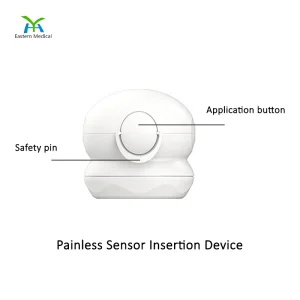
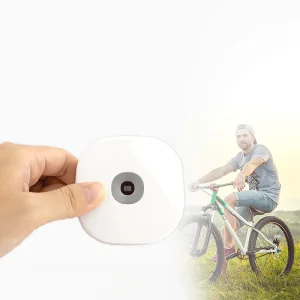
The healthcare landscape of the Republic of Equatorial Guinea is undergoing a structural digital transformation. Spanning both the continental region of Río Muni (including Bata) and the insular region of Bioko Island (home to the capital city Malabo), the national health ecosystem faces unique geographic and logistical challenges. Non-communicable diseases (NCDs), particularly Type 1 and Type 2 diabetes mellitus, have steadily risen in prevalence, placing a heavy burden on clinical facilities and primary care units.
In response, the Ministry of Health and Social Welfare (MINSABS) and private healthcare organizations are actively prioritizing medical digitalization. Traditional finger-prick blood glucose meters are increasingly being replaced by Remote Glucose Monitoring (RGM) systems and Continuous Glucose Monitoring (CGM) systems. These technologies provide real-time glycemic trends, historical analytics, and automated alarms that transmit data directly to centralized clinical databases. For medical distributors, regional importers, and healthcare systems operating in Malabo, Bata, and beyond, sourcing reliable, medical-grade monitoring hardware from certified global manufacturers has become a mission-critical objective.
"Integrating advanced remote glucose monitoring systems in Equatorial Guinea bridges the geographical gap between remote rural populations and urban medical centers in Malabo and Bata, minimizing unnecessary hospital admissions and maximizing clinical output."
Shenzhen Ocent Monitor Co., Ltd., as an industry-leading developer of connected medical equipment, specializes in configuring and supplying enterprise-grade remote patient monitoring (RPM) equipment tailored specifically to the infrastructure, climate conditions, and regulatory environments of the Central African market.
Deploying digital medical hardware across Central Africa requires a deep understanding of local networking infrastructure and climatic conditions. Equatorial Guinea features a tropical climate characterized by high average temperatures and high relative humidity (often exceeding 80–90% in coastal regions like Bata and Luba). Standard commercial electronics degrade quickly under these conditions, presenting major reliability issues for continuous monitoring equipment.
Remote glucose monitors require reliable data transmission paths. The telecommunication network in Equatorial Guinea, driven by major network providers like GETESA, Muni, and GreenCom, provides expanding 3G and 4G coverage across urban areas. However, rural zones often suffer from signal fluctuations. Our remote glucose monitors solve this issue by offering dual-mode data synchronization:
The sensor component of a continuous glucose monitor utilizes glucose oxidase or glucose dehydrogenase enzymes to detect glucose levels in interstitial fluid. These enzymes are highly sensitive to thermal degradation. Shenzhen Ocent Monitor Co., Ltd. addresses this limitation through specialized tropical-proof packaging. Sensors are sealed in medical-grade polymer blisters designed to prevent moisture ingress, ensuring stable shelf life and reliable test results when distributed across regional hospitals and remote health centers.
B2B procurement departments representing public health agencies, private clinics, and non-governmental organizations (NGOs) in Equatorial Guinea demand adaptable product lines. White-labeling and hardware localization are essential requirements for seamless integration into national health systems.
Equatorial Guinea is unique as the only Spanish-speaking nation in Africa, with French and Portuguese also holding official status. Our software architectures, device firmware, and mobile applications can be fully customized with localized language options. From user interfaces on the OEM ODM 8-10 Inch Tele-Medical Monitor Tablet PC to the voice prompts on blood pressure and glucose measurement units, we ensure that both patients and healthcare providers can navigate systems comfortably in their preferred language.
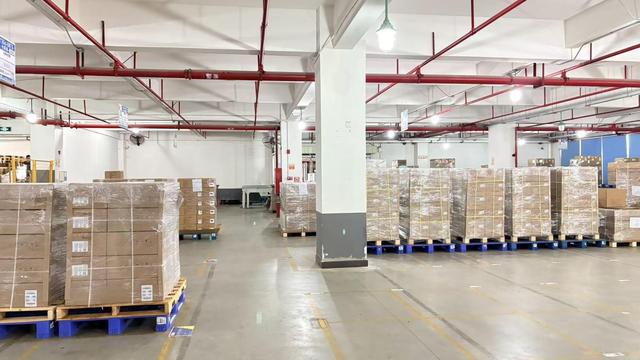
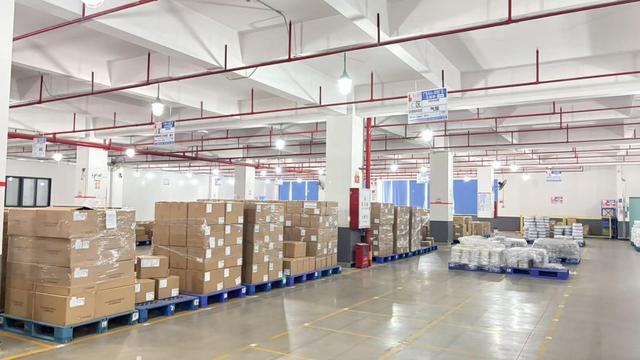
We provide comprehensive OEM and ODM services. From our 8,000-square-meter facility in Shenzhen, we design and produce custom casings, tailored packaging, localized power adapters (Type C/G plugs commonly used in Equatorial Guinea), and customized patient portals. Whether you are distributing under a private label to the clinical network of the INSESO (Instituto Nacional de Seguridad Social) or building a proprietary brand for the Central African Economic and Monetary Community (CEMAC) market, our engineering team manages the design-to-production workflow to meet your target specifications.
True clinical value is generated when hardware interfaces smoothly with management software. Shenzhen Ocent Monitor Co., Ltd. provides complete solutions that connect patient devices, mobile health applications, and hospital-based Electronic Medical Record (EMR) systems.
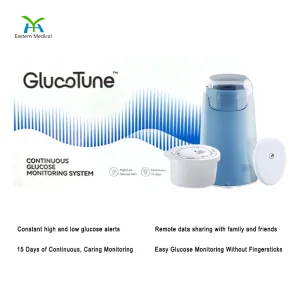
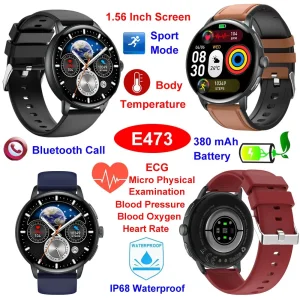
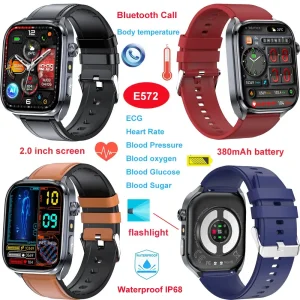
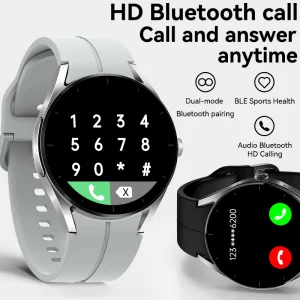
Through our remote data sharing systems, a patient in Bata wearing our Continuous Glucose Monitoring System can have their real-time glycemic data shared instantly with a supervising endocrinologist located in Malabo. If glucose levels drop below critical thresholds (hypoglycemia) or spike dangerously high (hyperglycemia), the cloud system triggers real-time alerts. These alerts can notify local family members via the Next-Gen Diagnostic Smart Wristband with Remote Family Link and simultaneously ping the dashboard of the nearest regional medical station.
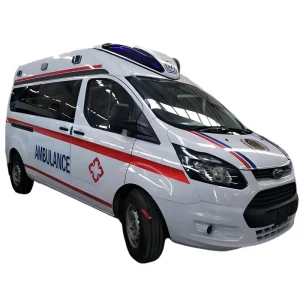
Our solutions extend beyond wearable devices. For critical patients suffering from diabetic ketoacidosis (DKA) or other acute metabolic emergencies, regional healthcare providers require specialized transport units. Our Monitoring Ambulance Van ICU Emergency Rescue Truck and Gasoline Monitoring Ambulance are equipped with remote vital-sign telemetric transmitters. During transport from regional clinics to provincial hospitals, real-time patient status, including glucose trends, ECG, and blood oxygen levels, is sent ahead to the awaiting trauma team, ensuring immediate prep and reducing patient triage times.
The field of remote glucose monitoring is moving away from invasive finger pricks and large, cumbersome hubs toward discreet, calibration-free wearable technology. Shenzhen Ocent Monitor Co., Ltd. is focusing its R&D roadmap on three key technological areas:
Integrating on-device machine learning algorithms that analyze rate-of-change metrics. The system warns users of impending hypoglycemic events up to 45 minutes before they occur, helping prevent loss of consciousness.
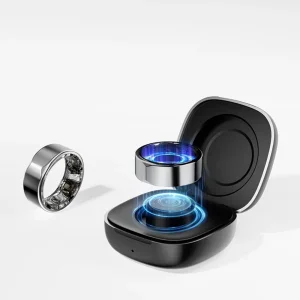
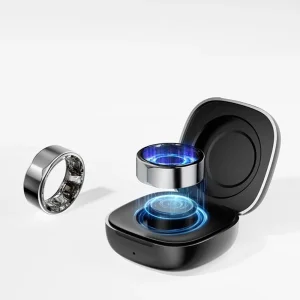
Fusing glucose tracking trends with other cardiovascular indices. Products like the 2025 Jcring Intelligent Electronics Smart Fitness Ring represent the future of passive, non-stigmatizing daily health monitoring.
Developing specialized sensor membranes with extended operational lifespans of up to 14–21 days, minimizing the frequency of sensor replacements and reducing the lifetime cost of therapy for end users.
Importing medical electronics into Equatorial Guinea and the wider CEMAC region requires strict compliance with international manufacturing certifications. As a primary manufacturer, Shenzhen Ocent Monitor Co., Ltd. ensures that all exported devices conform to the necessary standards to clear customs and secure local registration:
Shenzhen Ocent Monitor Co., Ltd. is a technology-driven manufacturer specializing in remote patient monitoring systems, telehealth monitoring solutions, and digital healthcare technologies. Established in 2016, the company is headquartered in Shenzhen, China, one of the world's leading innovation and electronics manufacturing hubs.
With a modern production facility covering more than 8,000 square meters and a workforce of over 180 employees, Ocent Monitor focuses on the design, development, and manufacturing of intelligent healthcare monitoring solutions for hospitals, clinics, long-term care facilities, and home healthcare providers worldwide.
The company's product portfolio includes remote patient monitoring systems, wireless vital sign monitoring devices, telehealth platforms, chronic disease management solutions, wearable health monitoring technologies, and healthcare IoT integration systems. By combining advanced sensor technology, cloud connectivity, and data management capabilities, Ocent Monitor helps healthcare organizations improve patient engagement, enhance care efficiency, and support continuous health monitoring beyond traditional clinical settings.
Supported by an experienced engineering team and rigorous quality management processes, the company maintains strict production standards throughout product development and manufacturing. Ocent Monitor is committed to continuous innovation in connected healthcare technologies, enabling healthcare professionals to access real-time patient information and make informed clinical decisions.
Serving customers across North America, Europe, Asia, the Middle East, and other international markets, Shenzhen Ocent Monitor Co., Ltd. provides OEM and ODM services tailored to diverse healthcare applications and market requirements. Through ongoing investment in research and development, the company strives to deliver reliable, scalable, and future-oriented remote healthcare solutions that support the evolving needs of modern healthcare systems worldwide.
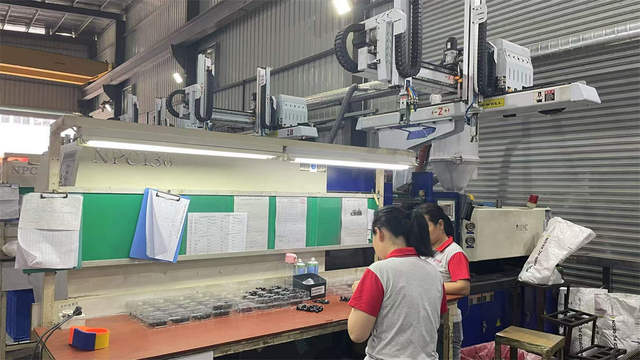
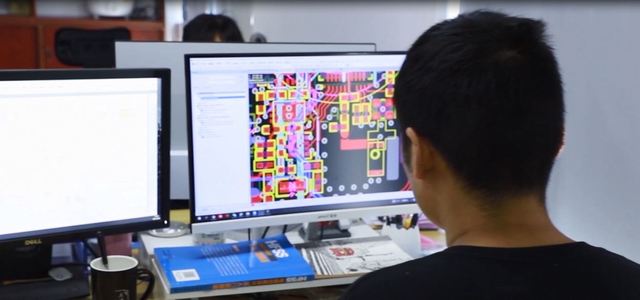
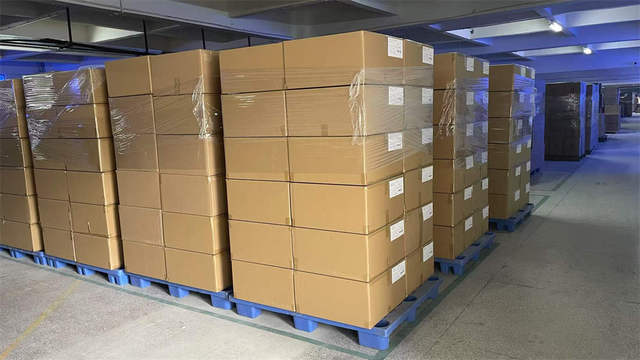
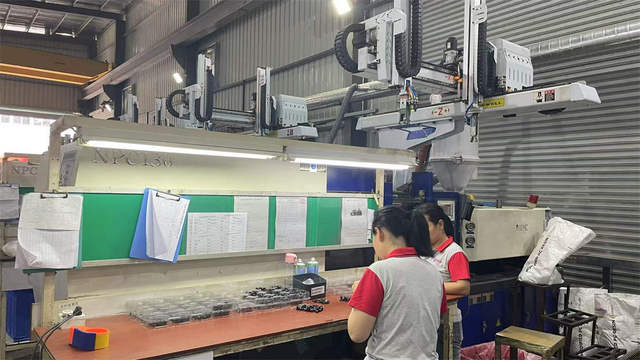
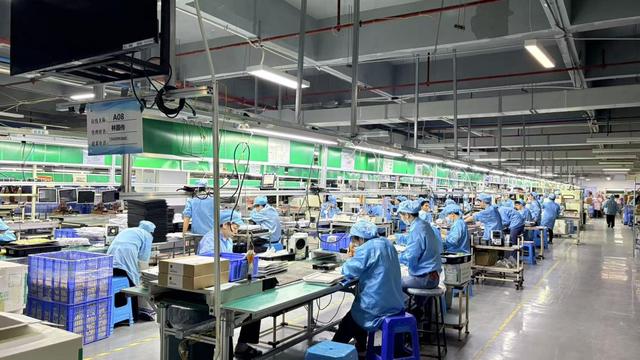
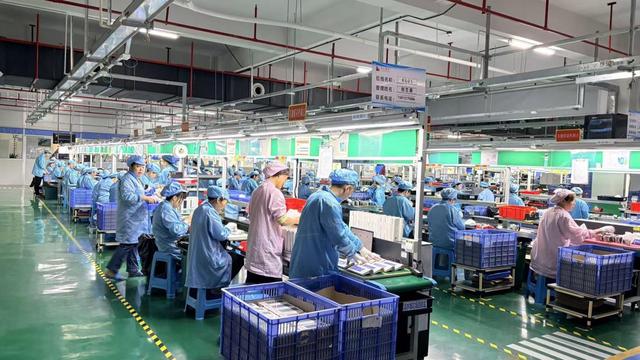

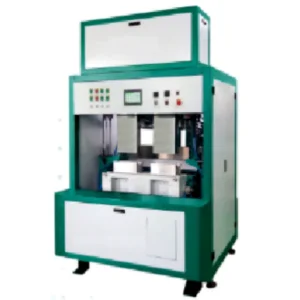
For comprehensive supply chains, we also manufacture automated packaging systems equipped with industrial remote monitoring features to support healthcare and pharmaceutical production lines:
 Ocent Monitor