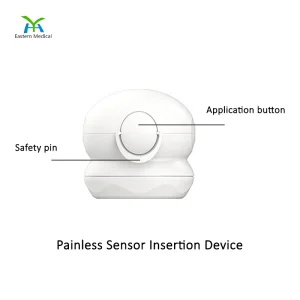
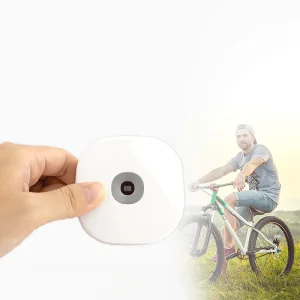
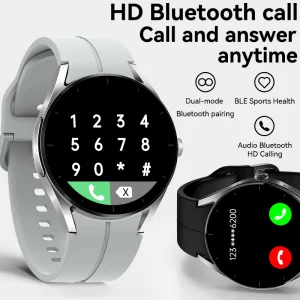
Canada faces a unique set of challenges in managing diabetes and metabolic health. With over 11 million Canadians living with diabetes or prediabetes, the demand for high-fidelity Remote Glucose Monitoring (RGM) and Continuous Glucose Monitoring (CGM) systems has reached a critical inflection point. The vast geography of Canada, particularly in rural provinces and Northern territories, makes the "Hospital-to-Home" model not just a convenience, but a necessity for public health sustainability.
Canadians with Diabetes/Prediabetes
Reduction in ER Visits via RGM
Health Canada Device Compliance
Manufacturers supplying the Canadian market must navigate a complex regulatory environment governed by Health Canada and provincial privacy laws like PIPEDA (Personal Information Protection and Electronic Documents Act) and Ontario's PHIPA. Effective RGM solutions must offer seamless integration with EMR systems like Epic and Cerner, widely used across Canadian health authorities.
The next generation of glucose monitoring isn't just about reading levels; it's about predicting glycemic events before they occur. AI algorithms now analyze trends in diet, sleep, and activity to provide proactive insulin adjustments and hypoglycemia alerts, reducing the burden on both patients and clinicians.
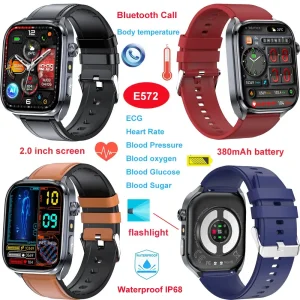
The global race to develop reliable non-invasive glucose monitoring is accelerating. From optical sensors to interstitial fluid analysis via "smart patches," manufacturers are focusing on reducing the "friction of care" to increase patient compliance and long-term health outcomes.
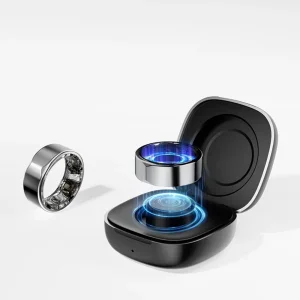
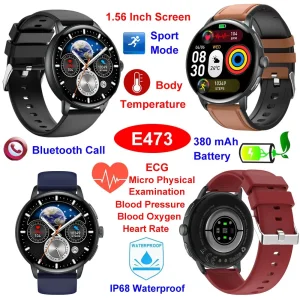
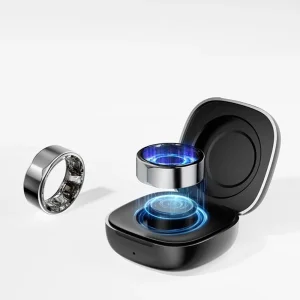
Global procurement requirements for health systems are shifting toward interoperability. Large-scale buyers in North America and Europe now prioritize devices that support the FHIR (Fast Healthcare Interoperability Resources) standard, ensuring that data captured by a wearable ring or wristband can be instantly utilized by an endocrinologist thousands of miles away.
Leading manufacturers like Ocent Monitor are moving beyond simple hardware sales. The industry is pivoting toward Remote Patient Monitoring (RPM) as a Service. This includes:
For Canadian healthcare institutions, data residency is a paramount concern. Many provincial mandates require that health data remain within Canadian borders. Our software solutions provide localized cloud hosting options (AWS Canada Central) to satisfy these stringent requirements.
Note for Canadian Procurement Officers: All medical devices in this portfolio are designed with cybersecurity-first principles, adhering to the ISO/IEC 27001 standard and the NIST Cybersecurity Framework to protect against the rising threat of medical data breaches.
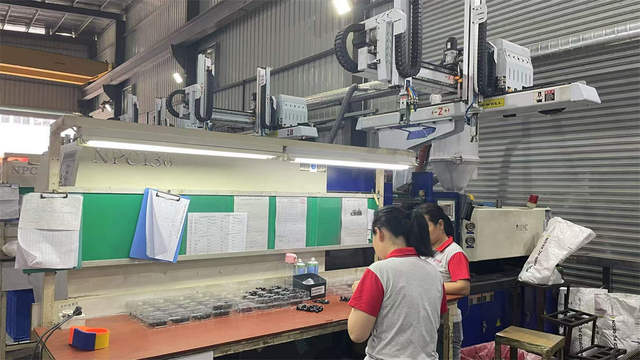
Shenzhen Ocent Monitor Co., Ltd. is a technology-driven manufacturer specializing in remote patient monitoring systems, telehealth monitoring solutions, and digital healthcare technologies. Established in 2016, the company is headquartered in Shenzhen, China, one of the world's leading innovation and electronics manufacturing hubs.
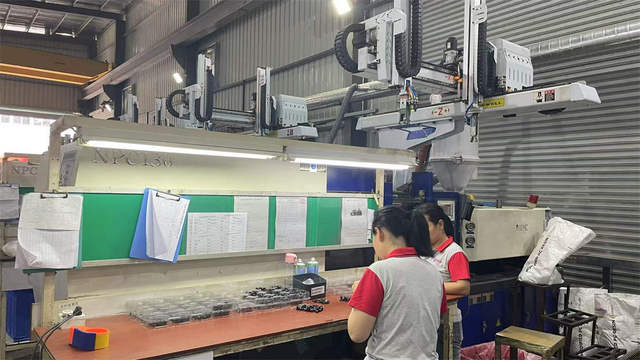
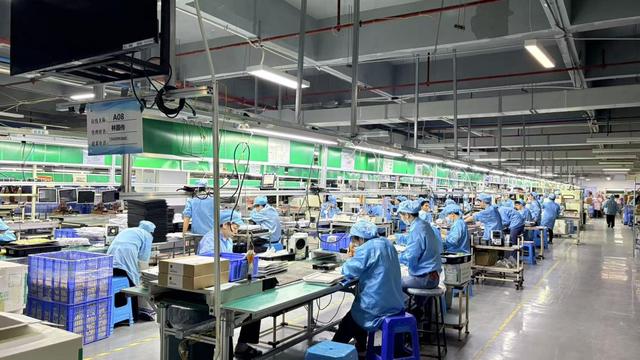
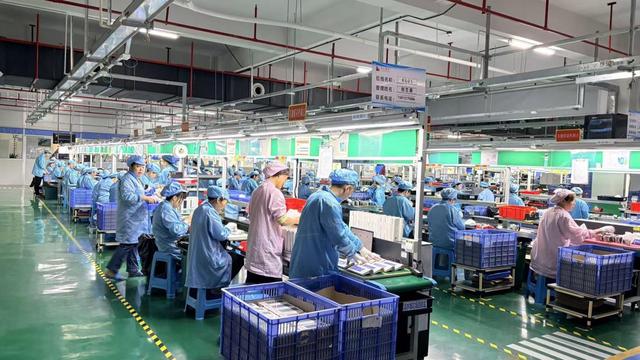
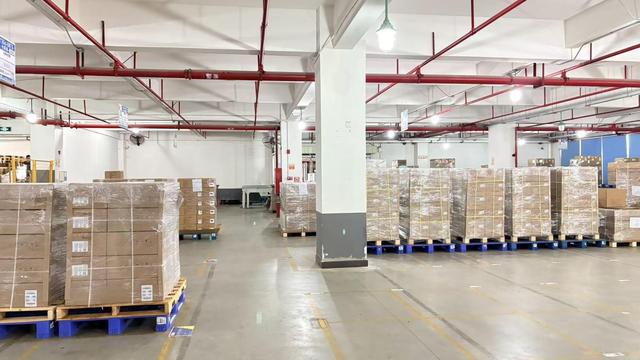
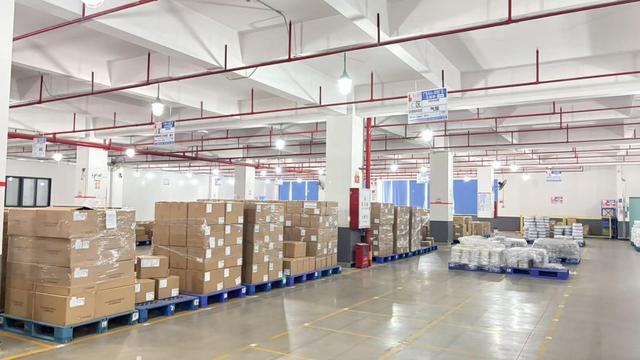
With a modern production facility covering more than 8,000 square meters and a workforce of over 180 employees, Ocent Monitor focuses on the design, development, and manufacturing of intelligent healthcare monitoring solutions for hospitals, clinics, long-term care facilities, and home healthcare providers worldwide.
The company's product portfolio includes remote patient monitoring systems, wireless vital sign monitoring devices, telehealth platforms, chronic disease management solutions, wearable health monitoring technologies, and healthcare IoT integration systems. By combining advanced sensor technology, cloud connectivity, and data management capabilities, Ocent Monitor helps healthcare organizations improve patient engagement, enhance care efficiency, and support continuous health monitoring beyond traditional clinical settings.
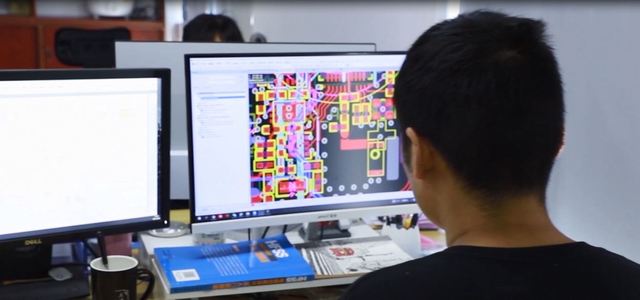
Supported by an experienced engineering team and rigorous quality management processes, the company maintains strict production standards throughout product development and manufacturing. Ocent Monitor is committed to continuous innovation in connected healthcare technologies, enabling healthcare professionals to access real-time patient information and make informed clinical decisions.
Serving customers across North America, Europe, Asia, the Middle East, and other international markets, Shenzhen Ocent Monitor Co., Ltd. provides OEM and ODM services tailored to diverse healthcare applications and market requirements. Through ongoing investment in research and development, the company strives to deliver reliable, scalable, and future-oriented remote healthcare solutions that support the evolving needs of modern healthcare systems worldwide.
 Ocent Monitor