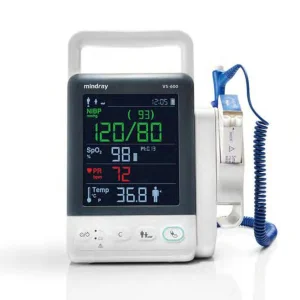
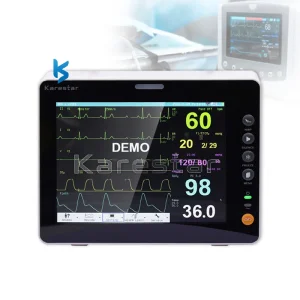
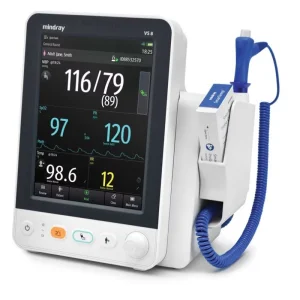
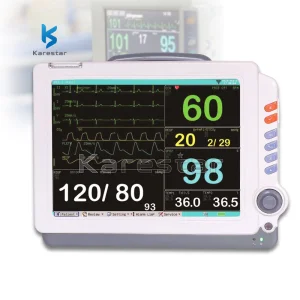
Argentina's healthcare system, a complex tripartite structure comprising the public sector, social security (Obras Sociales), and private insurance, is currently undergoing a radical digital transformation. The vast geographical expanse of the country, from the urban density of Buenos Aires to the remote mountainous regions of Patagonia and the Andes, presents a unique logistical challenge that Remote Vital Signs Monitoring (RPM) is perfectly positioned to solve.
As of late 2023, the Argentine government has intensified its focus on the "Digital Health Federal Strategy." Procurement focuses significantly on interoperability—ensuring that Remote Patient Monitoring devices can communicate seamlessly with national health databases. For global manufacturers like Shenzhen Ocent Monitor, this means aligning technical specifications with ANMAT (Administración Nacional de Medicamentos, Alimentos y Tecnología Médica) standards, ensuring every SpO2 sensor and ECG lead meets the rigorous safety and efficacy requirements of the local market.
Focus on mass-screening tools and maternal-child health monitoring in rural provinces like Chaco and Formosa.
With a significant aging population, PAMI (National Institute of Social Services for Retirees) is seeking home-based cardiac and respiratory monitoring to lower hospital readmission rates.
Top-tier providers like Swiss Medical and OSDE are implementing high-end AI-driven RPM for VIP home-hospitalization programs.
Shenzhen Ocent Monitor Co., Ltd. is a technology-driven manufacturer specializing in remote patient monitoring systems, telehealth monitoring solutions, and digital healthcare technologies. Established in 2016, the company is headquartered in Shenzhen, China, one of the world's leading innovation and electronics manufacturing hubs.
With a modern production facility and a workforce of over 180 employees, Ocent Monitor focuses on the design, development, and manufacturing of intelligent healthcare monitoring solutions for hospitals, clinics, long-term care facilities, and home healthcare providers worldwide. Our portfolio includes wireless vital sign monitoring devices, telehealth platforms, chronic disease management solutions, and healthcare IoT integration systems.




The future of remote monitoring in Argentina depends on latency-free data transmission and intelligent triage. Our technical roadmap for the Southern American market focuses on three core pillars:
In regions with fluctuating cellular signals like the Pampas, our devices feature auto-buffering and local storage. Once a connection is re-established with the local 4G/LTE towers (Movistar, Claro, or Personal), data is securely uploaded to the cloud with timestamp integrity. This "Store-and-Forward" architecture is crucial for decentralized Argentine clinical trials.
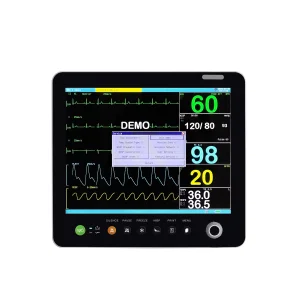
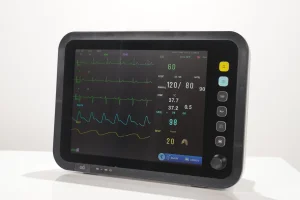
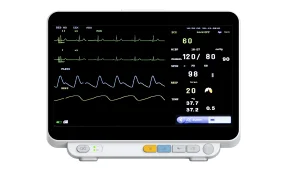
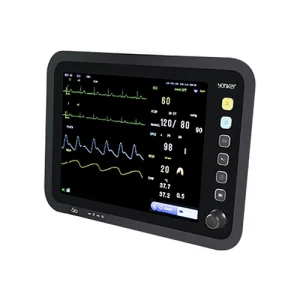
Moving beyond simple data display, Ocent's new 15-inch monitors integrate Modified Early Warning Score (MEWS) algorithms. This allows Argentine clinicians to receive predictive alerts before a patient reaches a critical state, effectively turning home beds into "virtual ICUs."
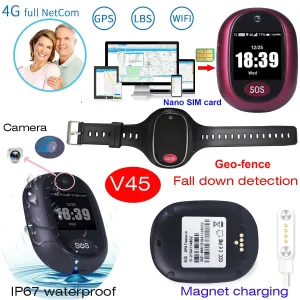
For chronic patients in Buenos Aires, we are developing lighter, medical-grade wearables that track ECG, Respiratory Rate, and SpO2 continuously. These devices bypass the "white coat hypertension" effect often found in traditional clinic visits, providing a more accurate physiological baseline for the Argentine population.
International buyers and Argentine distributors require more than just a product; they require a total supply chain solution. Ocent Monitor provides comprehensive support for the Southern Cone:
Strict ISO 13485:2016 certification and CE marking, aligning with Mercosur health regulations for streamlined import processes.
Customize software interfaces in Spanish (Rioplatense Spanish nuances) and include local branding for Argentine medical distributors.
Expertise in handling shipments to Puerto de Buenos Aires or Ezeiza Airport, including necessary documentation for the SIMI/SIRA import system.




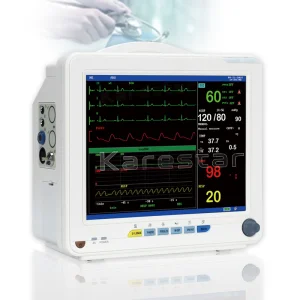
For large-scale hospital deployments in Rosario or Córdoba, we provide the Medical Remote Central Monitoring System. This ICU-grade hub synchronizes multiple bedside monitors into a single dashboard.
View System SpecsYes, our system architecture is designed with interoperability in mind. We provide full API documentation and SDKs that allow integration with Electronic Health Records (EHR) commonly used in Argentina, supporting HL7 and FHIR standards to ensure seamless data flow between the patient's home and the clinic.
We work through local distributors and authorized service centers in Buenos Aires. Furthermore, our devices support remote firmware updates (OTA), allowing us to push security patches and feature enhancements directly to the devices without physical intervention.
Our products are manufactured under ISO 13485 and hold international certifications like CE and FDA. We assist our local partners in Argentina with all necessary technical documentation and testing reports required by ANMAT for registration and market entry.
Absolutely. We offer comprehensive OEM/ODM services including Spanish-language software localization, customized user manuals, and branded hardware housing to help your brand establish a strong presence in the Argentine market.
Standard manufacturing time is 3-5 weeks depending on order volume and customization requirements. Shipping to Argentina typically takes another 30-45 days via sea freight or 7-10 days via air freight.
Ready to elevate Argentine healthcare with next-generation remote monitoring?
Contact our Sales Director Now Ocent Monitor