Ocent Monitor





1 / 5
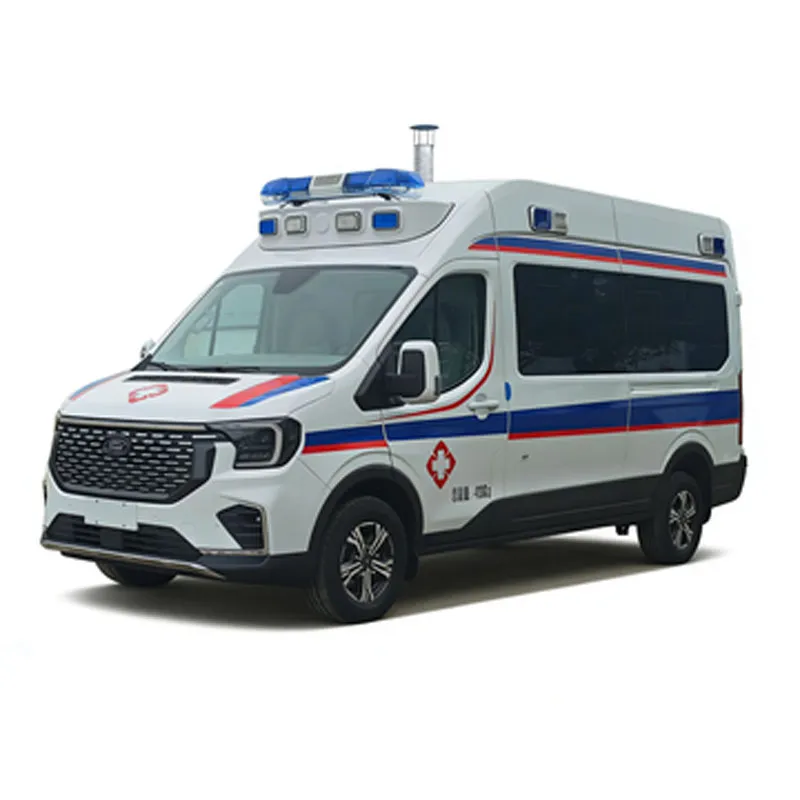
This is the most fundamental and crucial function of ambulances, addressing various emergency and critical conditions, including but not limited to acute cardiovascular and cerebrovascular diseases (such as myocardial infarction and cerebral hemorrhage), severe trauma (such as traffic accidents, falls from heights, and external bleeding), acute abdominal conditions, respiratory failure, poisoning, burns, and scalds. Upon receiving an emergency call, ambulances must arrive at the scene in the shortest possible time to provide life support and prevent the patient's condition from deteriorating.
Divided into emergency transport and non-emergency transport. Emergency transport primarily serves patients requiring hospitalization after on-site care, ensuring uninterrupted medical supervision. Non-emergency transport applies to cross-hospital treatment transfers, discharge home with medical escort, or visits for specialized examinations like CT or MRI scans.
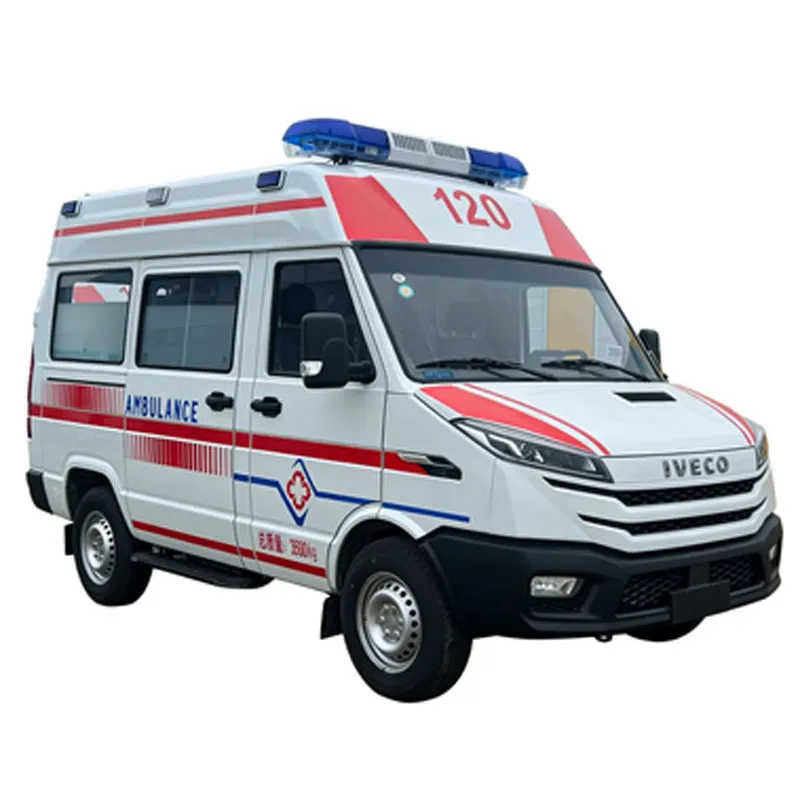
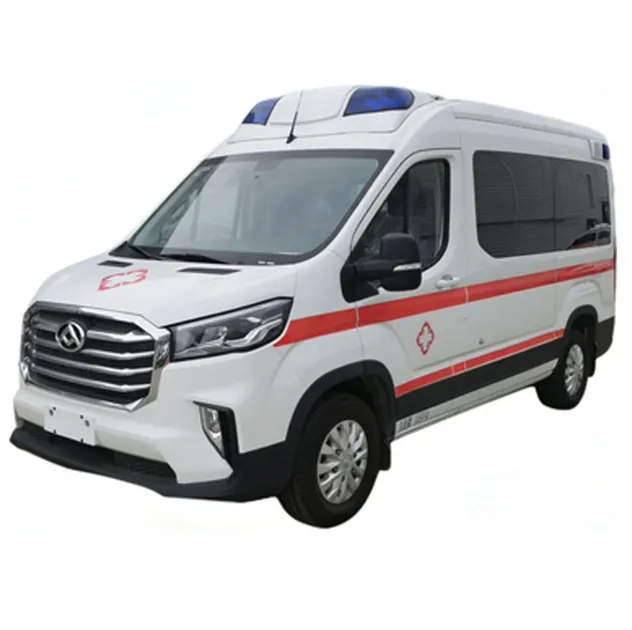
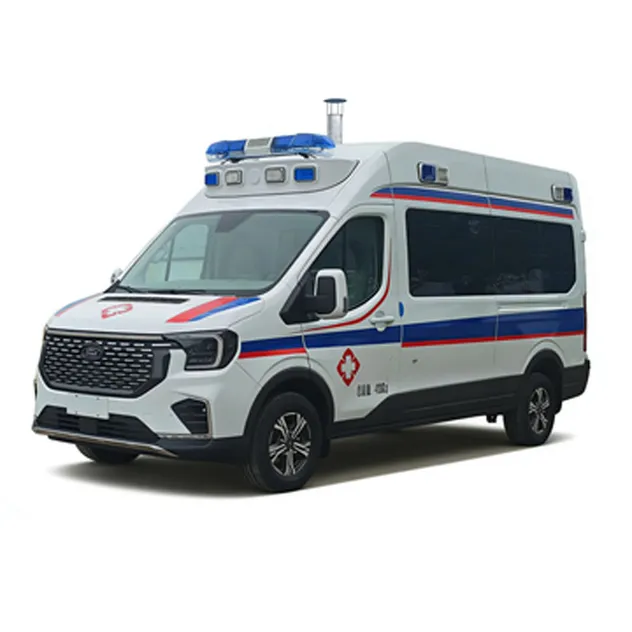

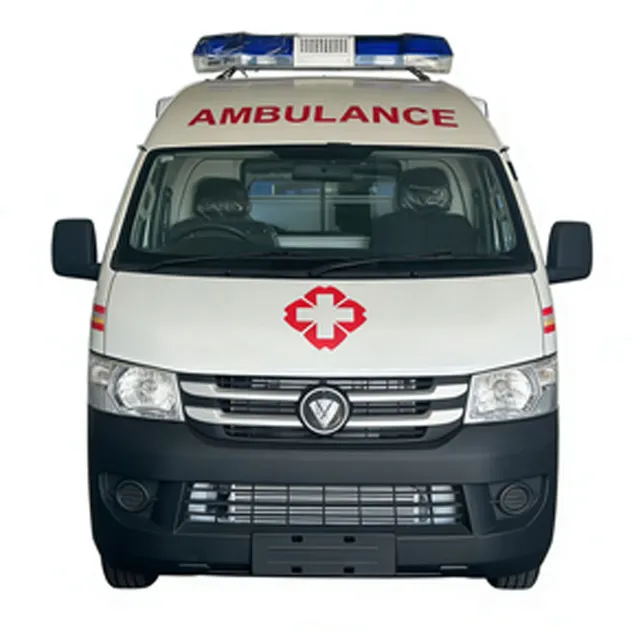

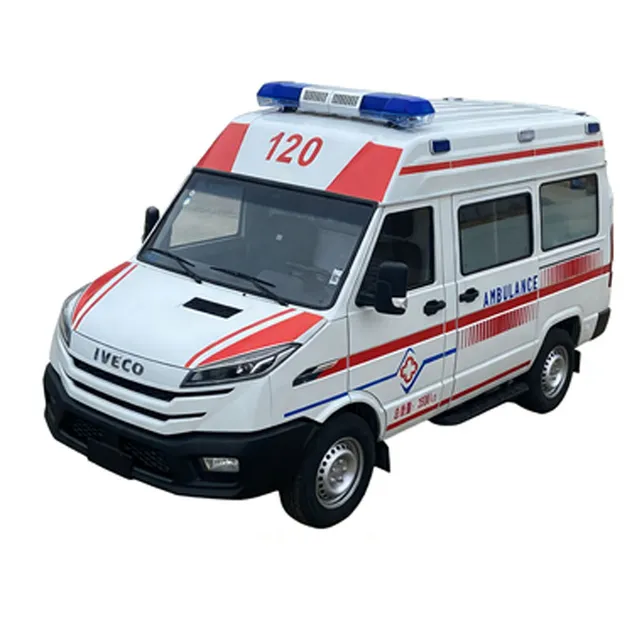
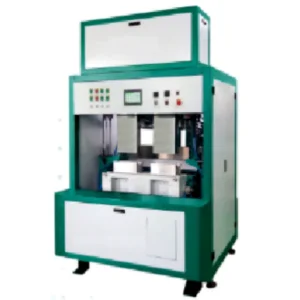
| Vehicle Type | High-Performance Emergency Ambulance |
| Arm Configuration | Straight-arm and folding-arm types available |
| Tank Body Material | Premium Aluminum alloy or stainless steel |
| Chassis Material | Heavy-duty Aluminum Alloy |
| Color Options | Fully customizable based on client requirements |