As the global population ages, the burden of chronic diseases (NCDs)—such as cardiovascular disease, diabetes, and chronic respiratory disorders—is escalating. Modern healthcare is shifting from episodic hospital-based care to Continuous Remote Patient Management (RPM).
The global chronic care management market is projected to reach USD 25.4 billion by 2030. This growth is driven by the urgent need to reduce hospital readmission rates and the rising adoption of IoT-enabled medical devices. Suppliers in China are now at the forefront, bridging the gap between high-tech medical engineering and cost-effective scalability.
Chronic conditions account for nearly 75% of healthcare spending worldwide. By implementing integrated monitoring solutions, healthcare providers can achieve a significant 20-30% reduction in emergency room visits, ensuring that clinical resources are allocated to the most critical cases while maintaining a high standard of home-based care.
The integration of Artificial Intelligence (AI) into chronic care allows for "Predictive Intervention." Algorithms now analyze real-time data from wearable sensors to detect early signs of physiological deterioration, enabling doctors to intervene before a medical crisis occurs.
Shenzhen Ocent Monitor Co., Ltd. is a technology-driven manufacturer specializing in remote patient monitoring systems, telehealth monitoring solutions, and digital healthcare technologies. Established in 2016, the company is headquartered in Shenzhen, China, one of the world's leading innovation and electronics manufacturing hubs.
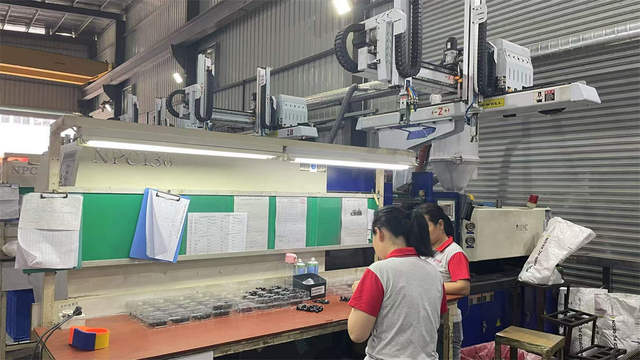
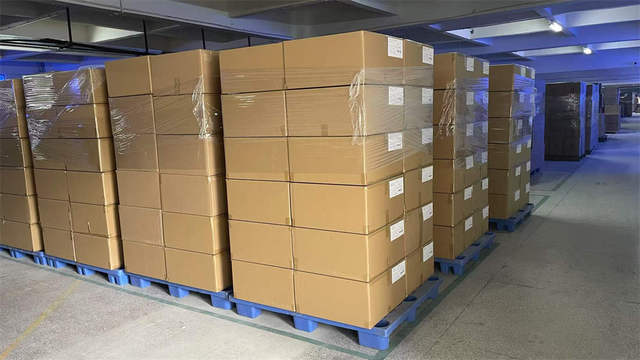
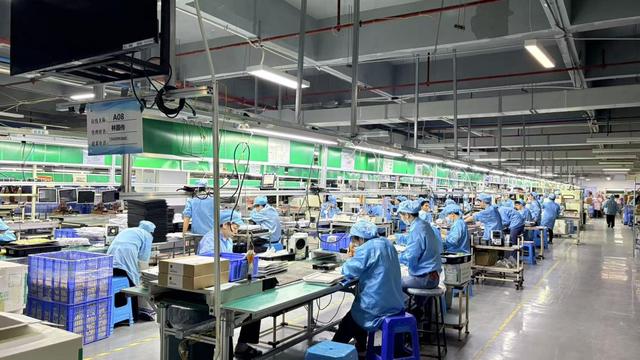
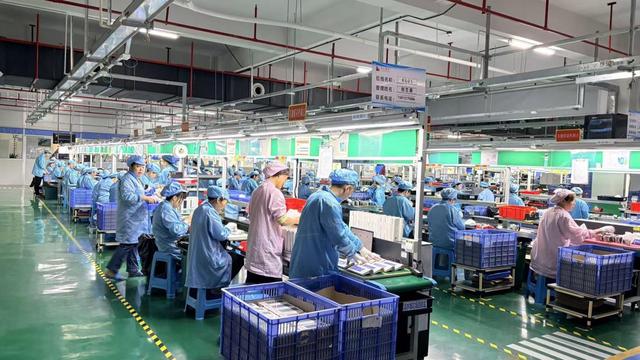
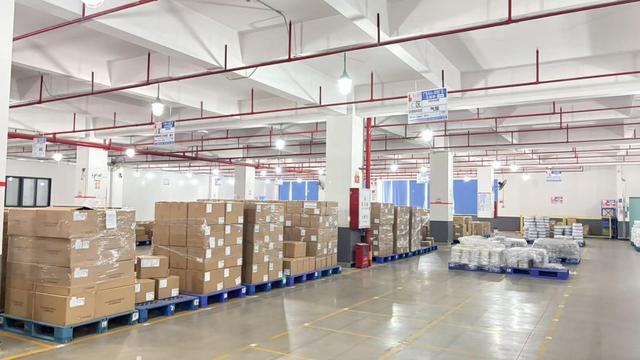
With a modern production facility covering more than 8,000 square meters and a workforce of over 180 employees, Ocent Monitor focuses on the design, development, and manufacturing of intelligent healthcare monitoring solutions for hospitals, clinics, long-term care facilities, and home healthcare providers worldwide.
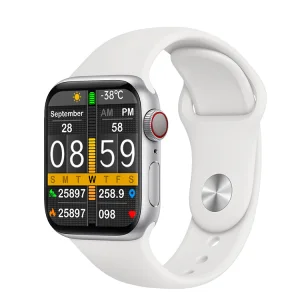
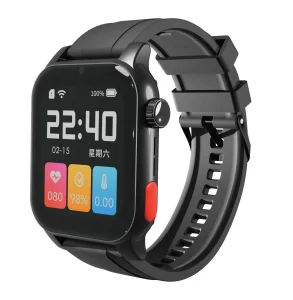
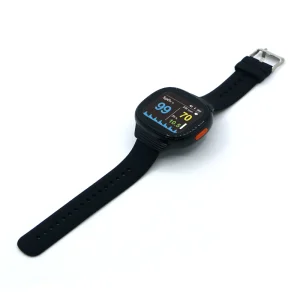
Standardization of multi-parameter sensors (SpO2, Heart Rate, BP) with 5G and Bluetooth 5.0 connectivity. Development of medical-grade smartwatches for senior care, as seen in our S10 and XL12 series.
Transitioning from simple monitoring to integrated telehealth ecosystems. Use of Android-based ICU tablets and remote patient dashboards that allow real-time physician-patient interaction across borders.
The era of "Virtual Health Companions." AI will not only monitor but also recommend lifestyle adjustments and medication adherence protocols based on longitudinal data trends.
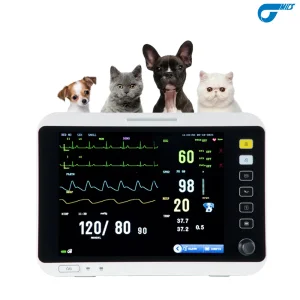
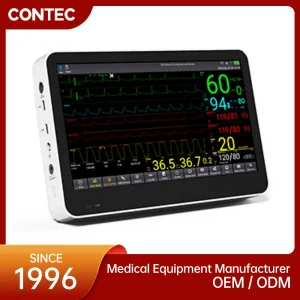
Implementation of multi-parameter monitors for critical care, reducing the manual workload of nursing staff and ensuring zero-latency alerts for vital sign fluctuations.
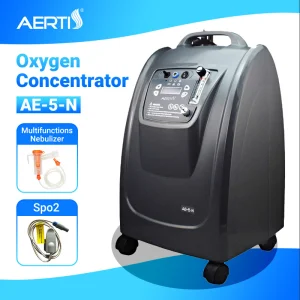
Providing seniors with 4G-connected watches and oxygen concentrators. Our AE-5-N Oxygen Machine ensures chronic lung disease patients remain stable at home.
Negative pressure ambulances equipped with real-time vital sign relay systems, allowing trauma centers to prepare for patients before they arrive.
Our product portfolio includes remote patient monitoring systems, wireless vital sign monitoring devices, telehealth platforms, chronic disease management solutions, wearable health monitoring technologies, and healthcare IoT integration systems. By combining advanced sensor technology, cloud connectivity, and data management capabilities, Ocent Monitor helps healthcare organizations improve patient engagement, enhance care efficiency, and support continuous health monitoring beyond traditional clinical settings.
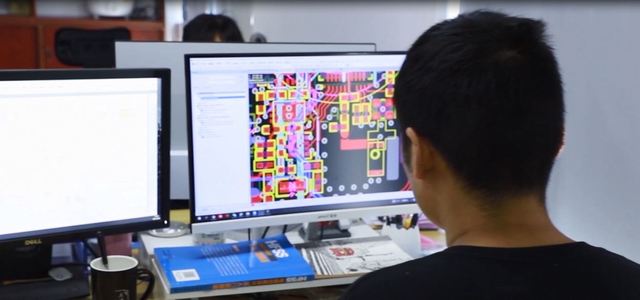
Supported by an experienced engineering team and rigorous quality management processes, the company maintains strict production standards throughout product development and manufacturing. Ocent Monitor is committed to continuous innovation in connected healthcare technologies, enabling healthcare professionals to access real-time patient information and make informed clinical decisions.
Serving customers across North America, Europe, Asia, the Middle East, and other international markets, Shenzhen Ocent Monitor Co., Ltd. provides services tailored to diverse healthcare applications. We ensure our devices meet the stringent CE, FDA, and ISO standards required for medical-grade hardware.
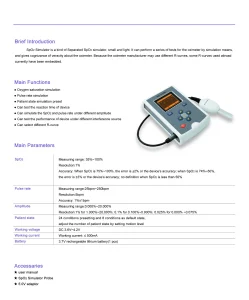
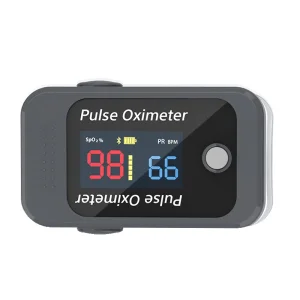
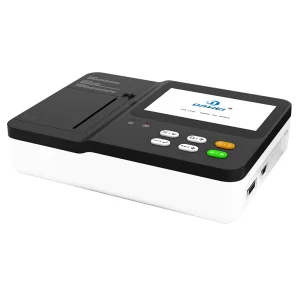
Medical-grade solutions differ from consumer electronics through clinical validation. Devices like our SpO2 monitors and ECG machines undergo rigorous testing to ensure accuracy in clinical environments, allowing doctors to use the data for actual diagnosis rather than just "wellness tracking."
RPM reduces "bed blocking" by allowing stable patients to be monitored from home. It also decreases the 30-day readmission penalty—a significant cost for hospitals in many Western healthcare systems—by providing early warnings of health declines.
Yes. Our digital healthcare technologies are designed with interoperability in mind. Most of our IoT systems support API integration with major Electronic Health Record (EHR) platforms, facilitating seamless data flow between the patient’s home and the clinical database.
Shenzhen's ecosystem provides a unique synergy of rapid prototyping, advanced electronics manufacturing, and software development. This allows Ocent Monitor to offer high-spec medical technology at a cost-performance ratio that is difficult to match in other regions.



Through ongoing investment in research and development, Shenzhen Ocent Monitor Co., Ltd. strives to deliver reliable, scalable, and future-oriented remote healthcare solutions that support the evolving needs of modern healthcare systems worldwide.
 Ocent Monitor