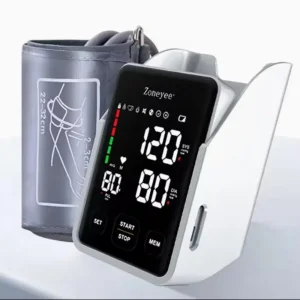
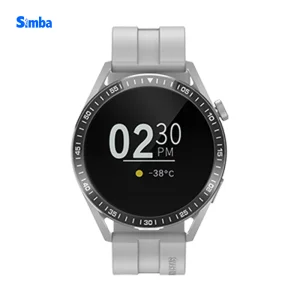
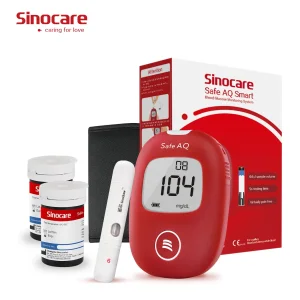
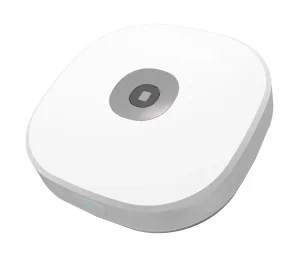
In an era defined by value-based care and the "hospital-at-home" movement, Digital Patient Engagement has transcended simple patient portals. It is now a comprehensive ecosystem involving clinical-grade hardware, AI-driven analytics, and seamless IoMT connectivity.
Established Year
Production Sqm
Expert Workforce
Market Presence
The global digital patient engagement market is projected to grow at a CAGR of over 15% through 2030. This growth is fueled by a critical need to manage chronic diseases—such as diabetes, hypertension, and COPD—outside of traditional clinical settings. As healthcare labor shortages intensify, manufacturers like Shenzhen Ocent Monitor Co., Ltd. provide the hardware backbone that allows one clinician to monitor hundreds of patients simultaneously via automated alerts and real-time telemetry.
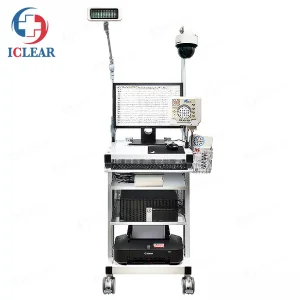
Industry leaders are shifting from "General Hardware" to "Specialized Bio-Sensing." Whether it's 32-channel EEG systems or continuous glucose monitoring (CGM), the demand for high-fidelity data is at an all-time high. OEM/ODM partners are no longer just factories; they are strategic R&D collaborators who ensure devices meet medical-grade accuracy while maintaining consumer-grade usability.
Integration of 5G and Narrowband IoT (NB-IoT) for ultra-low latency data transmission, ensuring vital signs are updated in milliseconds.
Moving from raw data display to predictive analytics, where devices can alert caregivers to potential cardiac events before they occur.
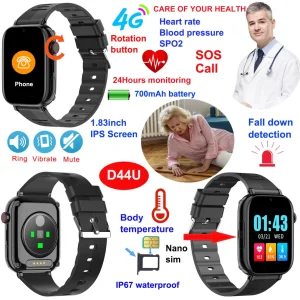
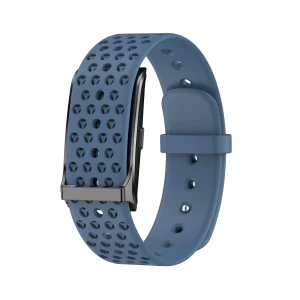
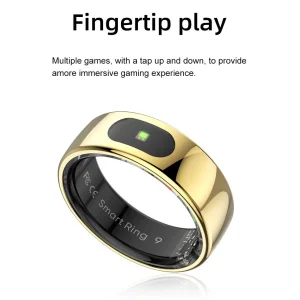
The convergence of "lifestyle" and "medical" devices. Smart rings and bracelets now offer ECG and SpO2 levels with clinical accuracy.
Stringent focus on end-to-end encryption. Our manufacturing process incorporates hardware-level security chips to protect patient identity.
Using digital monitoring to conduct clinical trials in patients' homes, reducing costs and increasing participant diversity.
Development of ultra-low power sensors and energy harvesting technologies to extend the battery life of remote monitors.
How Shenzhen Ocent Monitor Co., Ltd. stays ahead of the innovation curve.
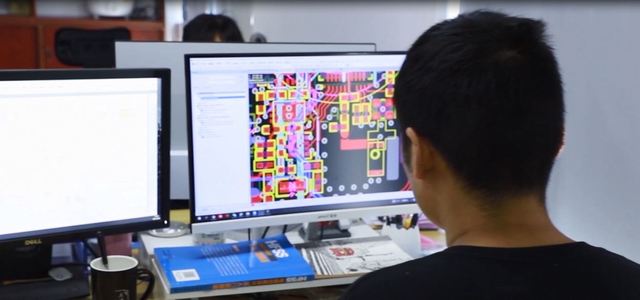
Our current R&D focuses on combining multiple bio-parameters (e.g., PPG, ECG, and Bio-impedance) into a single SoC (System on Chip) to reduce device size while increasing data richness.
Developing unified API layers that allow our hardware to "plug and play" with any major EHR/EMR system (Epic, Cerner) using HL7 FHIR standards.
Implementing edge computing where the device itself performs basic anomaly detection, reducing the bandwidth required and improving response times for emergency alerts.
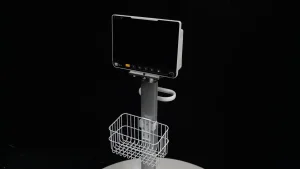
Reducing readmission rates by providing discharged patients with continuous monitoring kits. Clinicians monitor recovery via a central dashboard, intervening only when necessary.
Long-term monitoring for diabetes and hypertension. Our devices automate data logging, removing the "human error" factor from patient self-reporting.
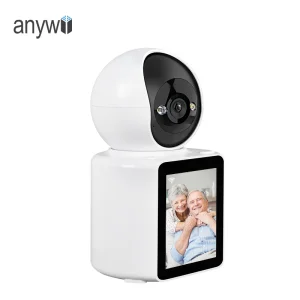
Integrating GPS tracking with fall detection and vital monitoring to allow the elderly to live independently while staying connected to emergency services.
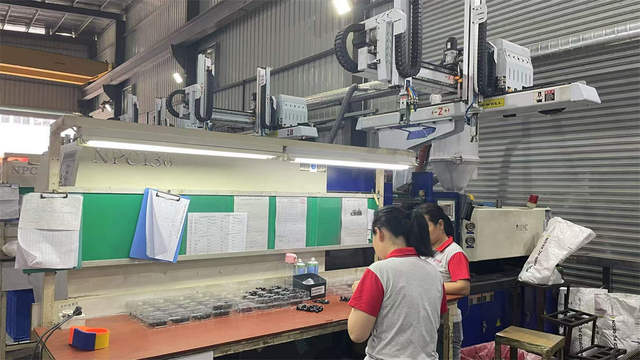
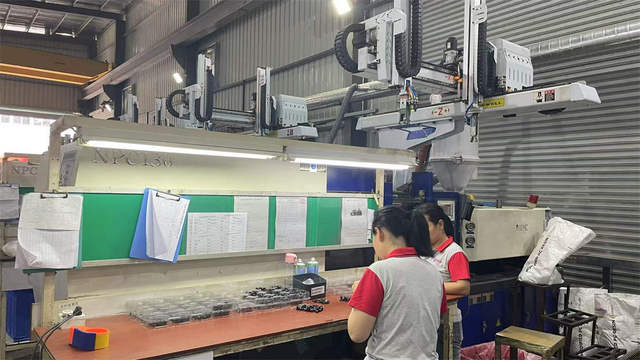
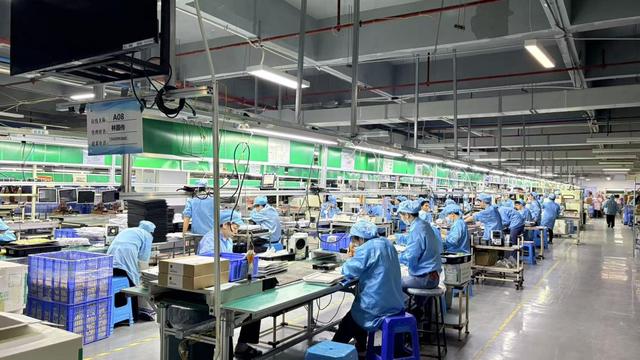
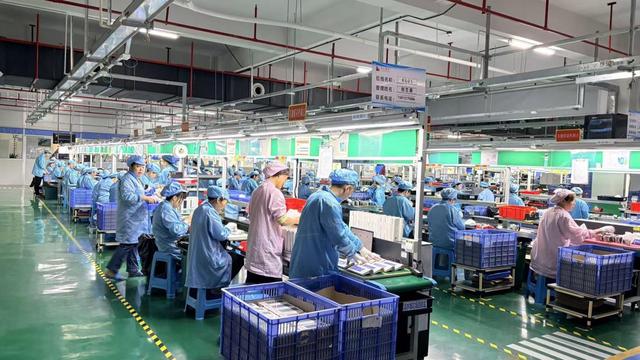
Shenzhen Ocent Monitor Co., Ltd., established in 2016 in the global electronics hub of Shenzhen, operates a modern 8,000 sqm facility. With over 180 employees, we focus on the design, development, and manufacturing of intelligent healthcare monitoring solutions. Our product portfolio—spanning wireless vital sign monitors, telehealth platforms, and IoT integration—enables healthcare professionals to access real-time patient data and make informed clinical decisions across North America, Europe, and Asia.
Optimized hardware that supports CPT billing codes for Remote Patient Monitoring, ensuring providers maximize their ROI while improving patient outcomes.
Strict compliance with Medical Device Regulation (MDR) and data sovereignty requirements, ensuring all data remains within EU borders where required.
Cost-effective, high-durability devices designed for large-scale public health deployments and community-based health screenings in high-density urban areas.
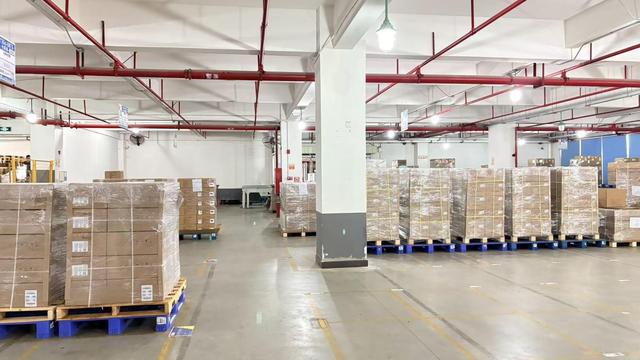
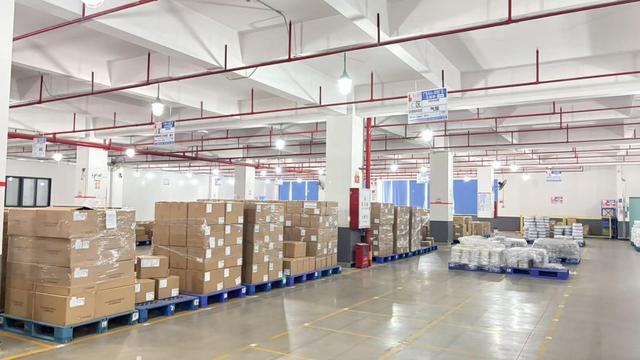
Startups can leverage our 8,000 sqm production facility and established supply chain to bring products to market faster, avoiding the massive capital expenditure of building their own factories while benefiting from our R&D expertise.
We use medical-grade sensors and rigorous calibration processes. Every device undergoes multi-stage testing, including environmental stress tests and clinical simulation, to ensure it meets international medical standards.
Yes. We provide comprehensive SDKs and APIs for our hardware, supporting Bluetooth, Wi-Fi, and 4G protocols to ensure seamless integration with your existing telehealth platforms or mobile apps.
A standard ODM project from concept to mass production typically takes 6-12 months, depending on the complexity of the hardware and the regulatory certification requirements (FDA, CE, etc.).
We implement AES-256 encryption for data at rest and TLS 1.3 for data in transit. Our firmware includes secure boot capabilities to prevent unauthorized software from running on the devices.
Commitment to Quality & Innovation in Shenzhen, China
 Ocent Monitor