The global shift toward Remote Rehabilitation Services (RRS) has been accelerated by aging populations and the rising prevalence of chronic diseases. Today's market is no longer just about video calls; it is about high-fidelity data transmission, AI-driven diagnostic support, and seamless IoT integration between hospitals and home environments.
With a projected CAGR of over 18% through 2030, the remote monitoring sector is leveraging 5G connectivity to reduce hospital readmission rates. Manufacturers are now focusing on E-E-A-T (Experience, Expertise, Authoritativeness, Trustworthiness) to meet the stringent demands of international healthcare regulators.
Shenzhen Ocent Monitor Co., Ltd. is a technology-driven powerhouse specializing in Remote Patient Monitoring (RPM) systems and digital healthcare technologies. Established in 2016 and headquartered in Shenzhen—the Silicon Valley of Hardware—Ocent has redefined the standards of medical IoT.
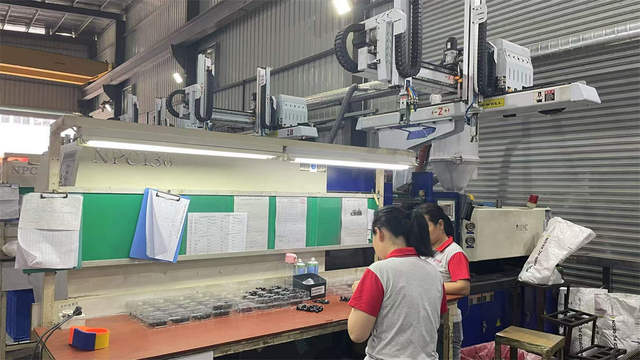
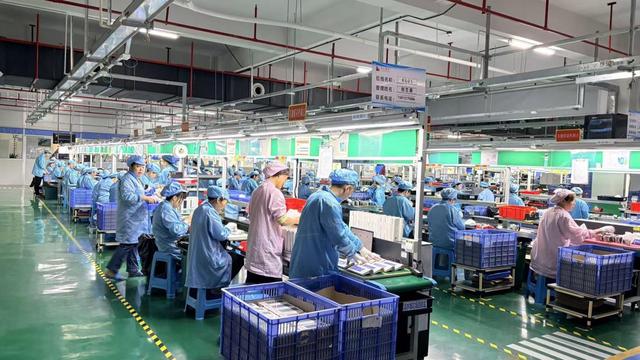
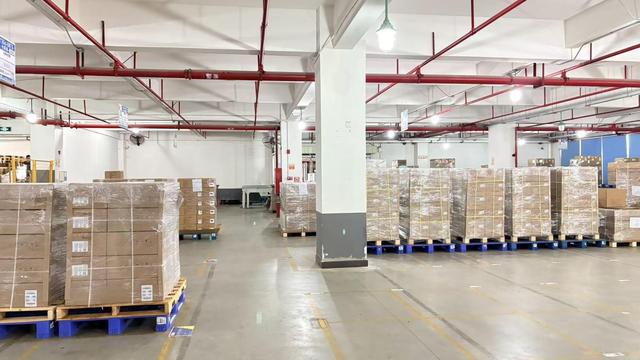
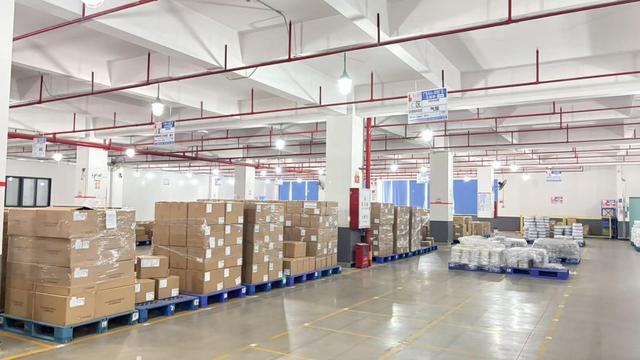
Operating a modern 8,000 square meter facility with over 180 specialized employees, the company integrates advanced sensor technology with cloud connectivity to support continuous health monitoring beyond traditional clinical walls.
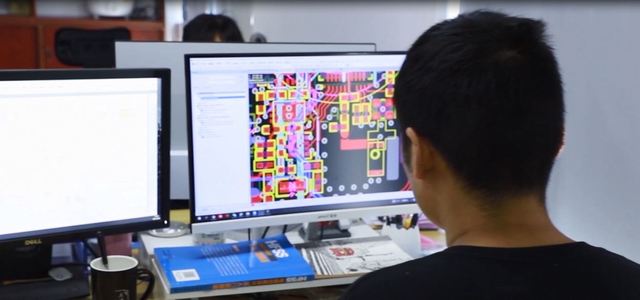
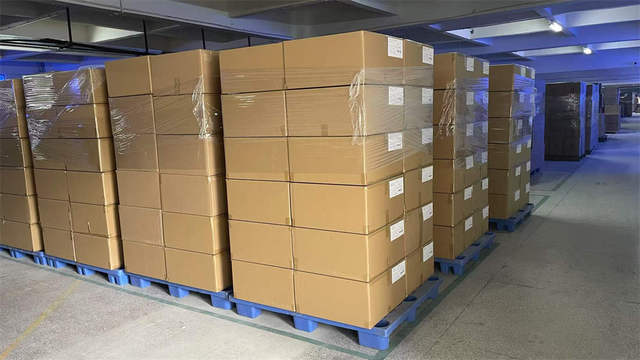
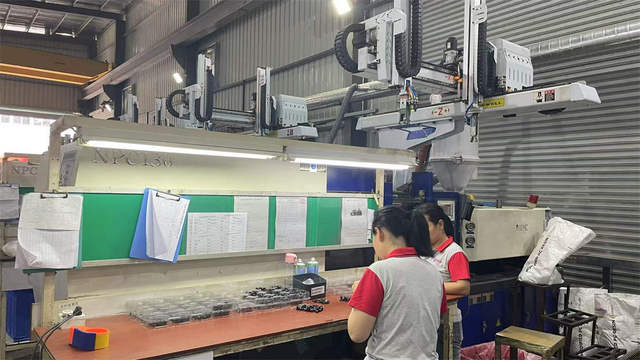
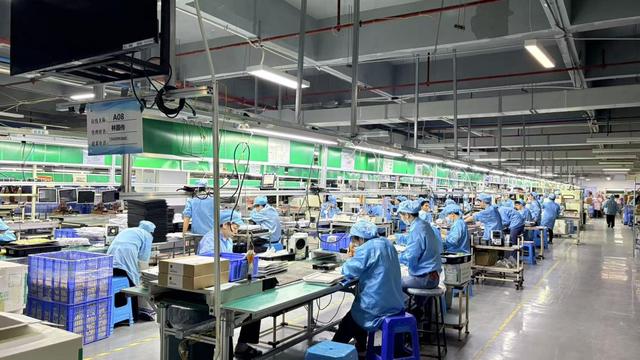
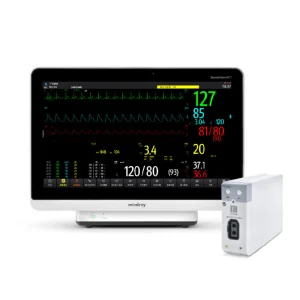
Migration from Bluetooth to NB-IoT and 5G for real-time vital sign streaming. Ensuring that devices like the Mindray Benevision N17 can communicate across diverse network topologies with zero latency.
Implementing edge computing to detect cardiac anomalies or respiratory distress before they become critical. Predictive algorithms are now being integrated into ICU Vital Sign Monitors to offer clinicians "Information Gain" in decision making.
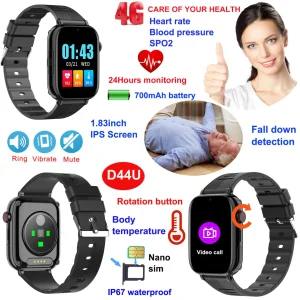
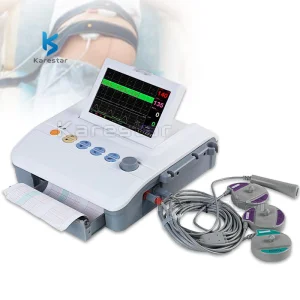
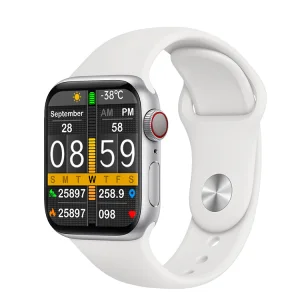
Merging rehabilitation with lifestyle tracking. Using Waterproof Smartwatches and Fetal Monitors to create a holistic health data lake for long-term wellness management.
The "Shenzhen Advantage" is not just about cost—it's about the industrial velocity. With a 1-hour supply chain circle, manufacturers like Ocent Monitor can move from prototype to mass production 3x faster than global competitors.
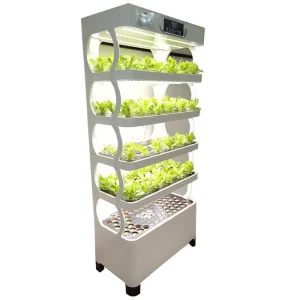
Vertical integration allows for rapid hardware iterations. Whether it's a Cryogenic Plasma Ablation System or a Vertical Hydroponic Growing Unit, the component sourcing is instantaneous.
Proximity to major ports ensures that OEM/ODM orders reach North America, Europe, and the Middle East with optimized lead times and reduced carbon footprints.
Shenzhen manufacturers are leading the way in ISO 13485 certifications, ensuring that remote monitoring machines meet global medical safety standards.
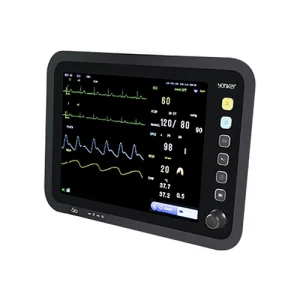
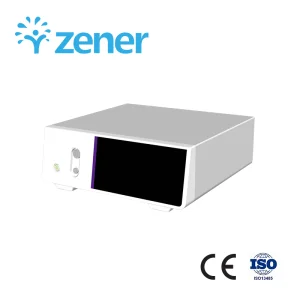
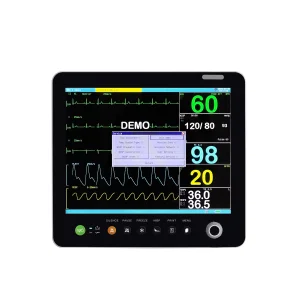
Integration of 15-inch Professional Patient Monitoring Machines with hospital trolleys for mobility, allowing nurses to monitor multiple beds from a central station.
Using 4G GPS Senior Trackers with heart rate and blood pressure monitoring to provide elderly citizens independence while ensuring family members have real-time peace of mind.
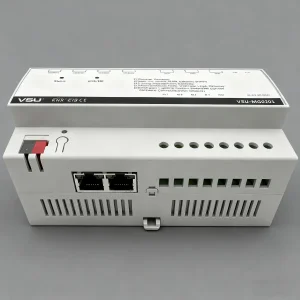
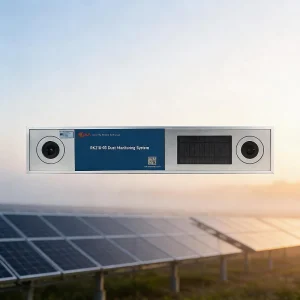
Beyond medical use, Comprehensive Dust Monitoring Solutions and KNX Smart Home Switches create a healthy, responsive environment that supports overall rehabilitation outcomes.
 Ocent Monitor