Ocent Monitor
1 / 5
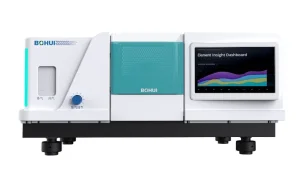
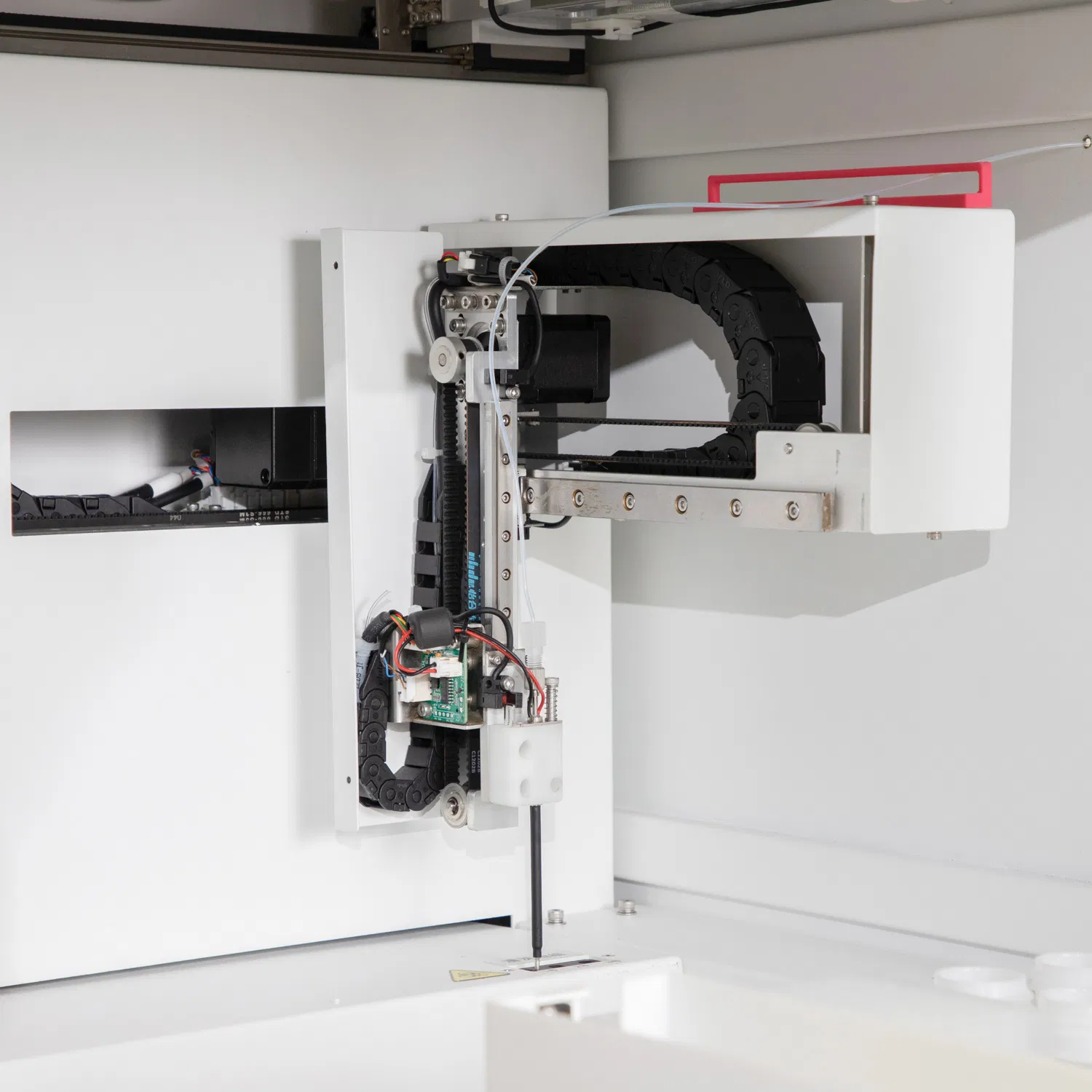
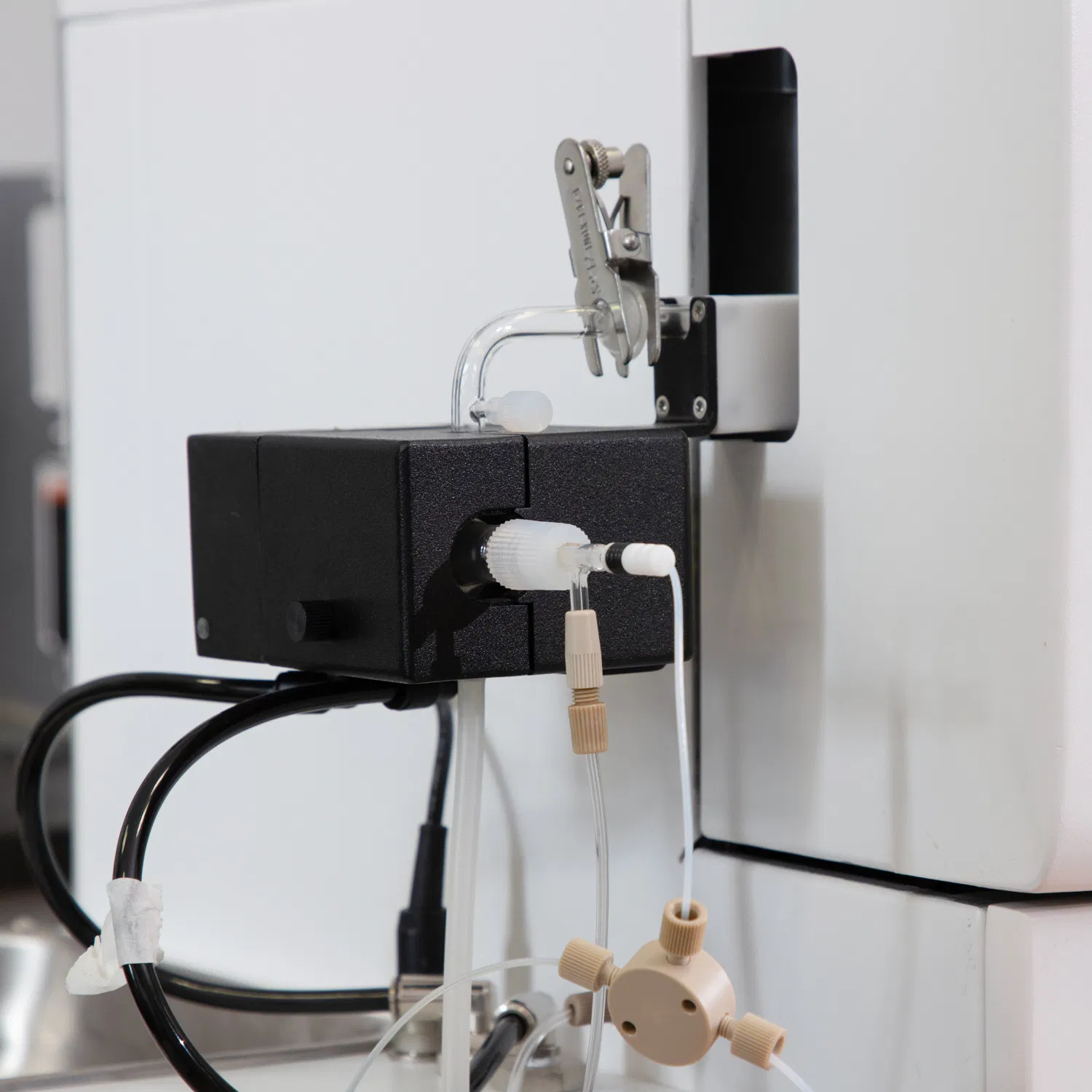
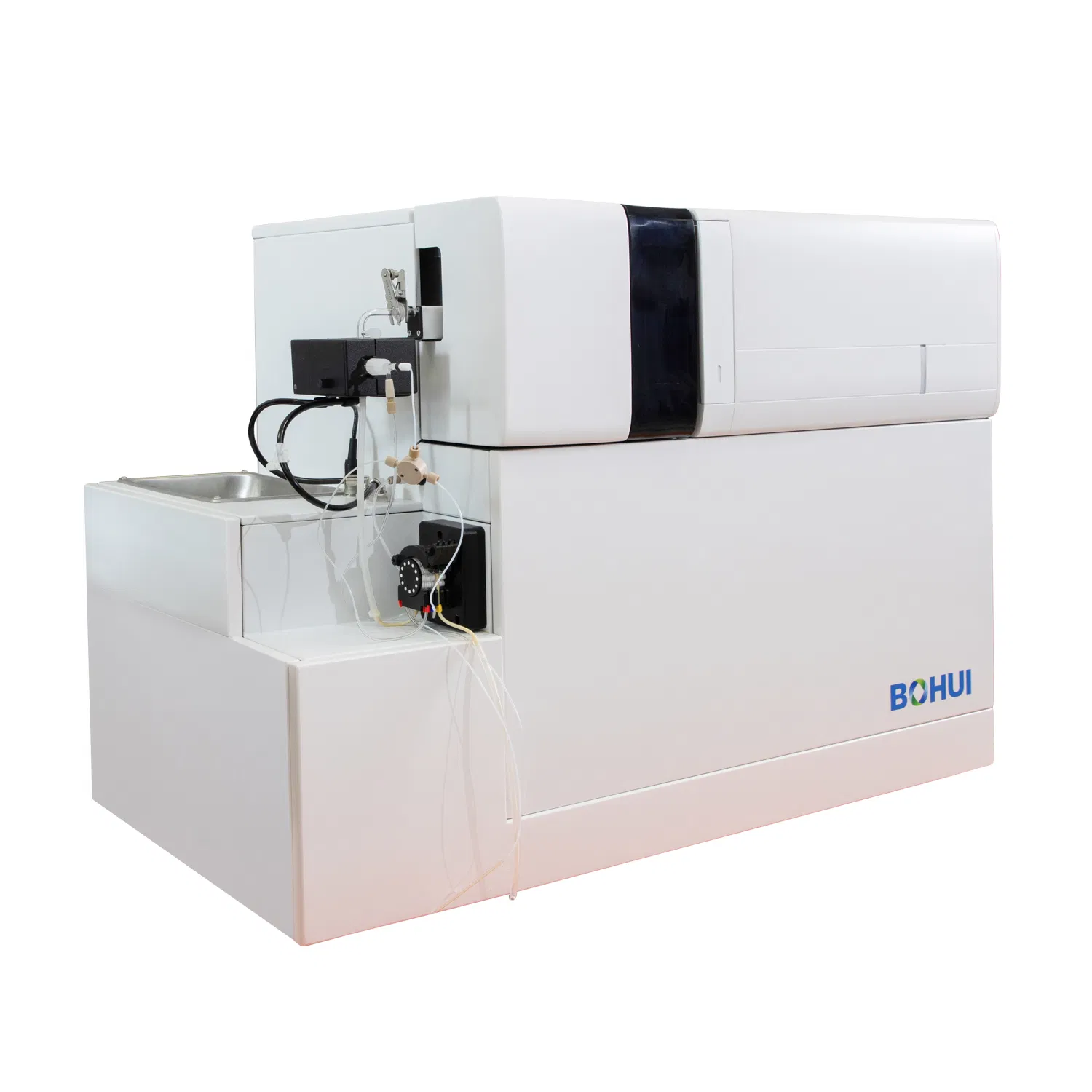
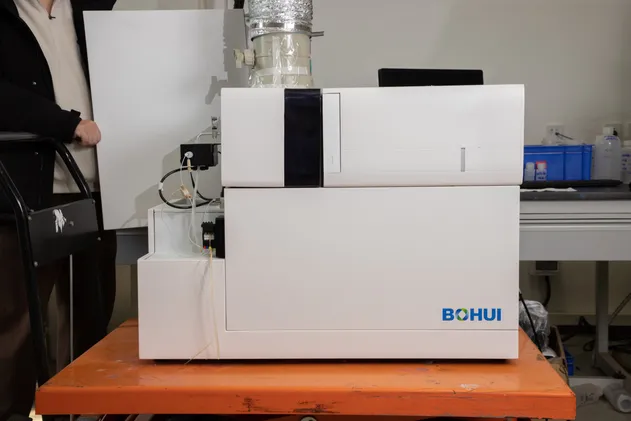
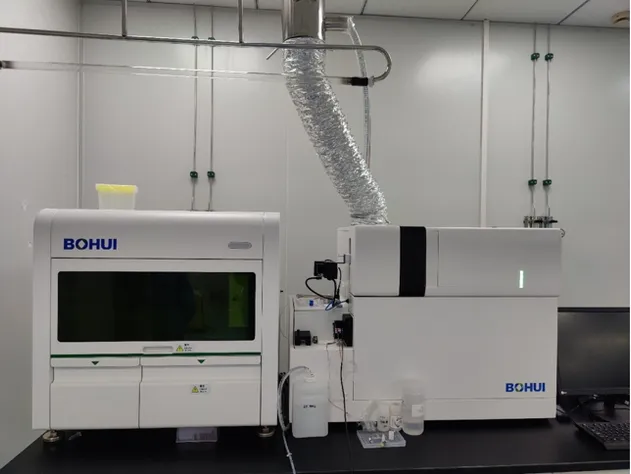
The trace element analyzer is based on Inductively Coupled Plasma Mass Spectrometry (ICP-MS) technology. It utilizes a high-frequency radio frequency (RF) signal to generate a high-temperature plasma that ionizes the analytes. The mass spectrometer then detects the ions' mass-to-charge ratio and intensity, enabling the quantification of elemental concentrations in the sample.
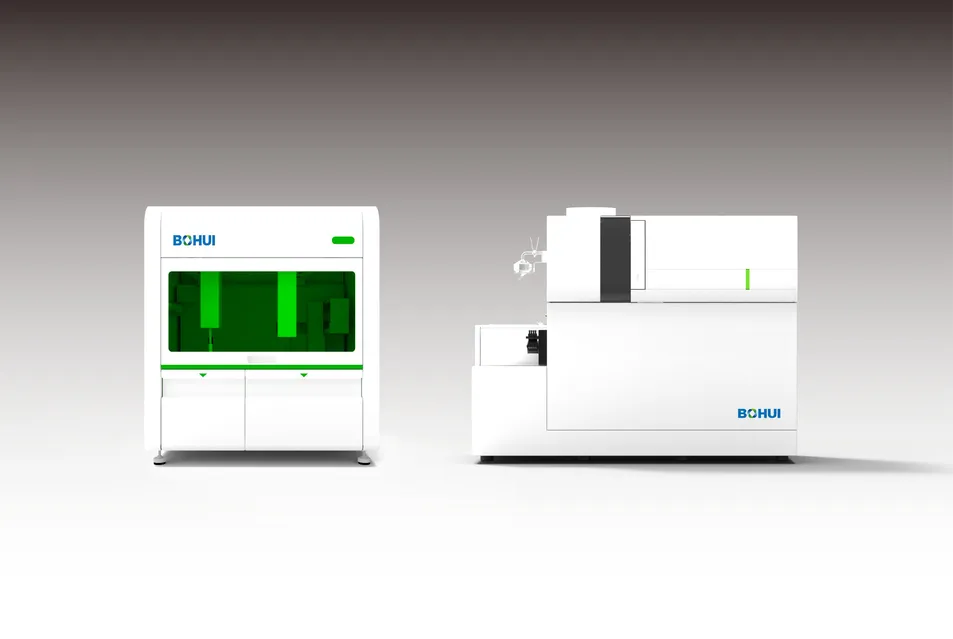
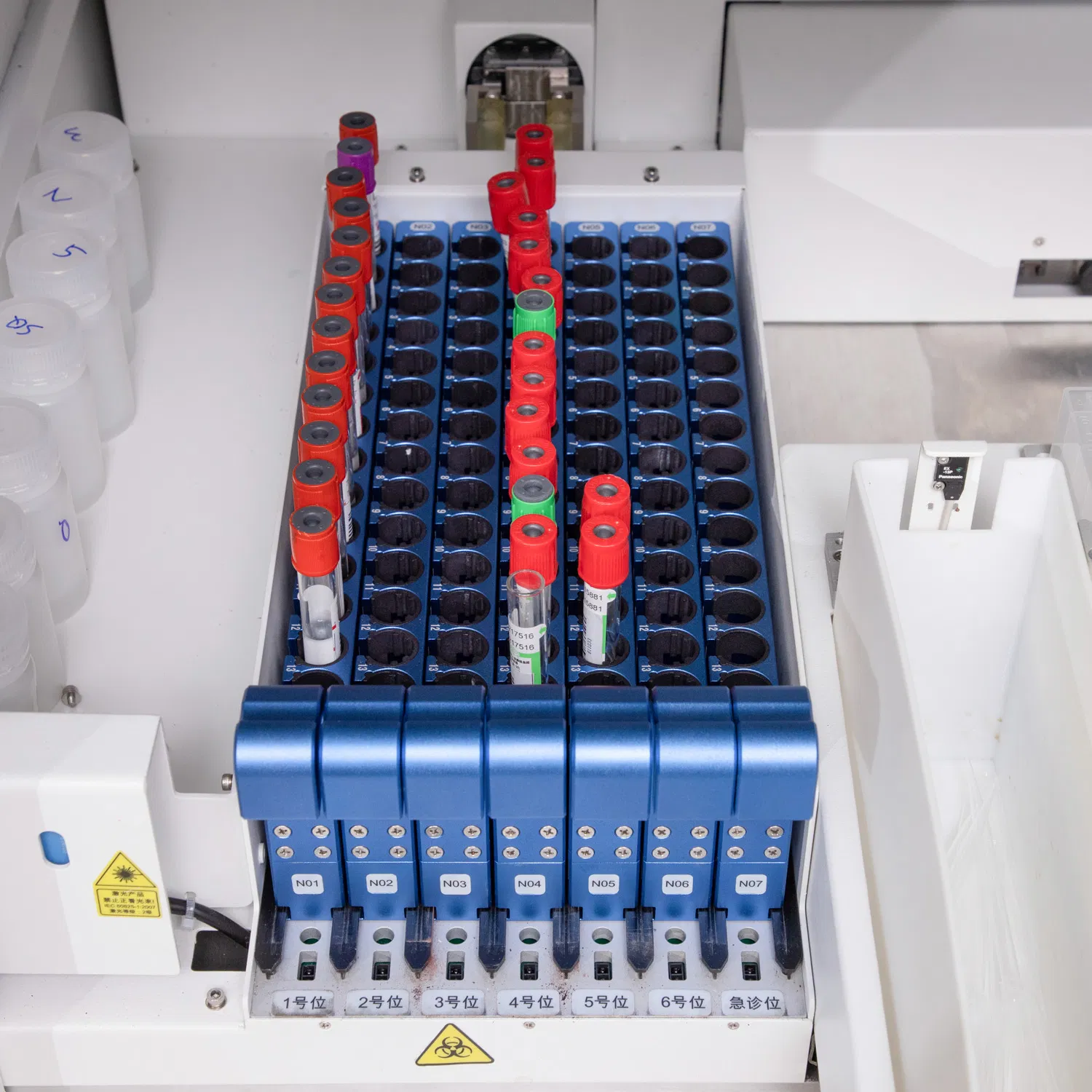
Sample Types: Whole blood, serum, urine, breast milk.
Application: Identify deficiencies in essential elements, assess nutritional status, and monitor levels in children.
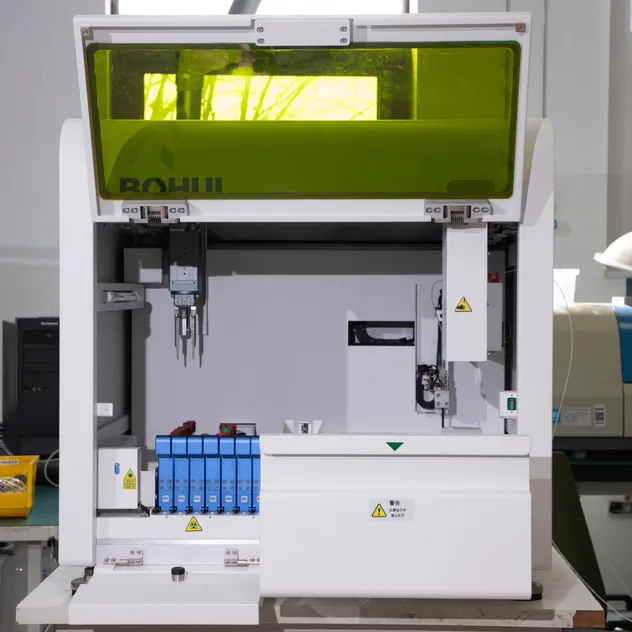
| Feature | Details |
|---|---|
| Detection method | Inductively Coupled Plasma Mass Spectrometry (ICP-MS) |
| Elements detected | Copper, Zinc, Calcium, Magnesium, Iron, Lead and more |
| Detection time | 1-2 minutes per sample |
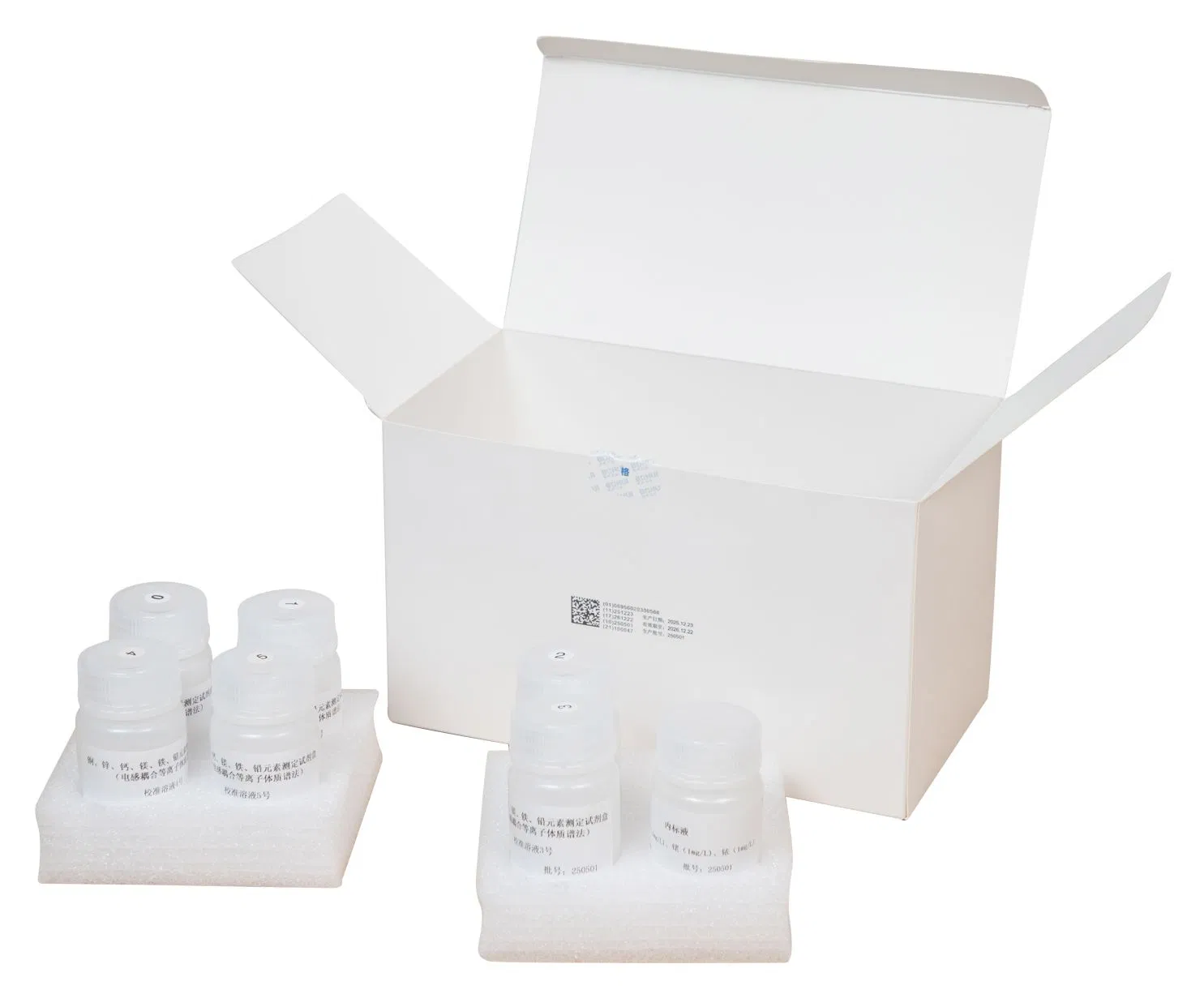
| Scope of application | Used with matched testing reagents for trace element levels |
| Detection Limit | ppt level |
| Detection Deviation | ≤10% |
| Operating Temperature | (15-30)℃ |
| Operating Humidity | 10-60% |
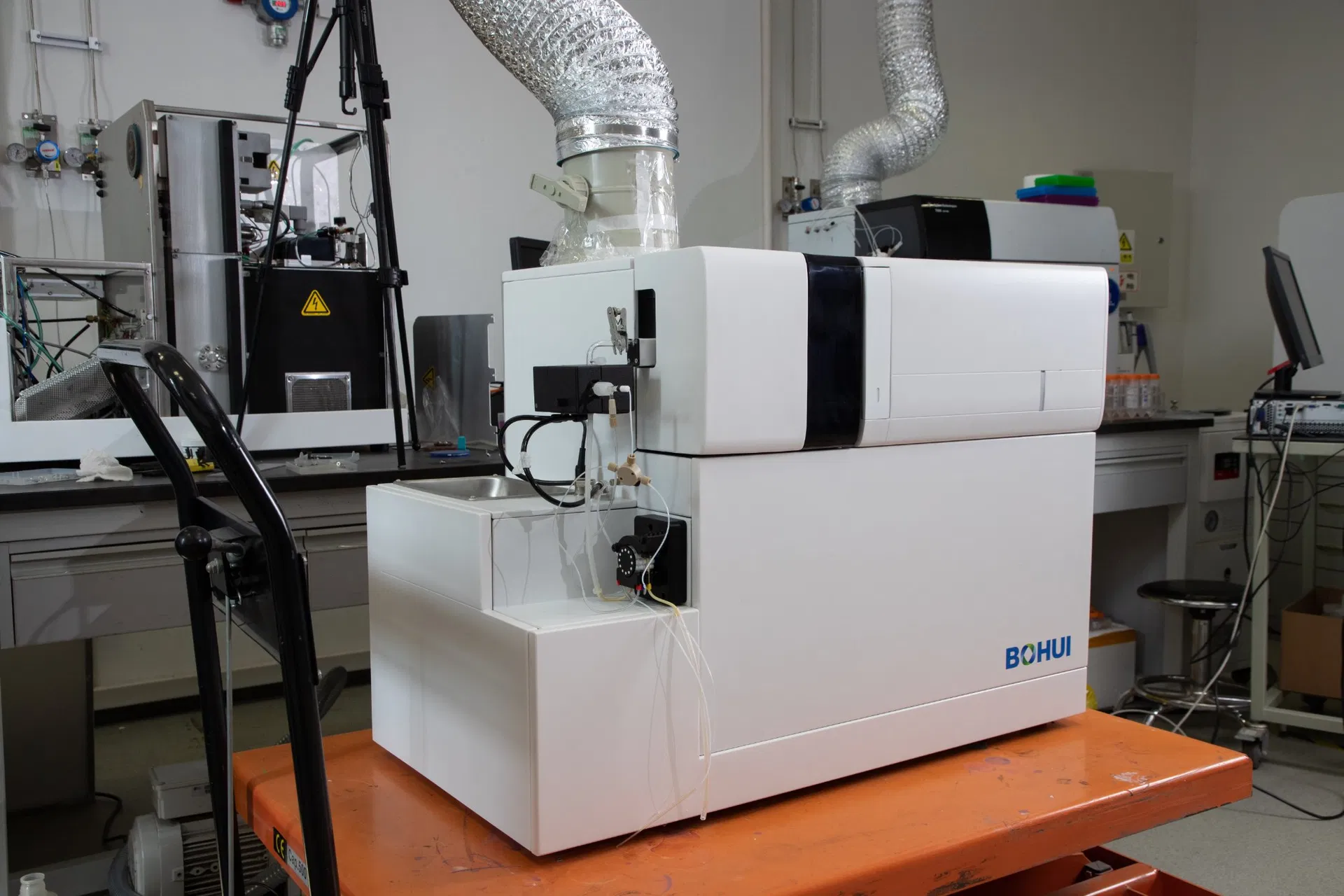
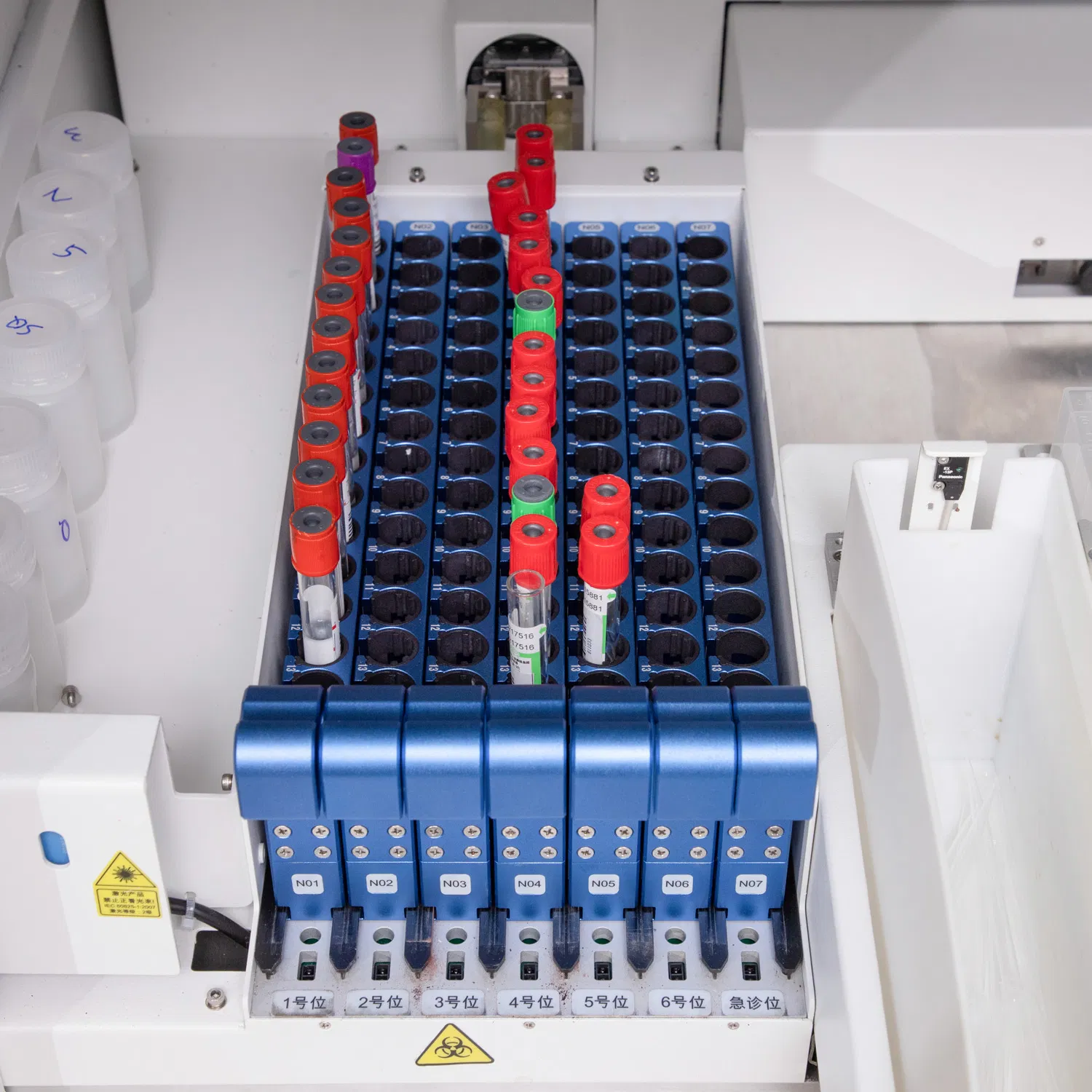
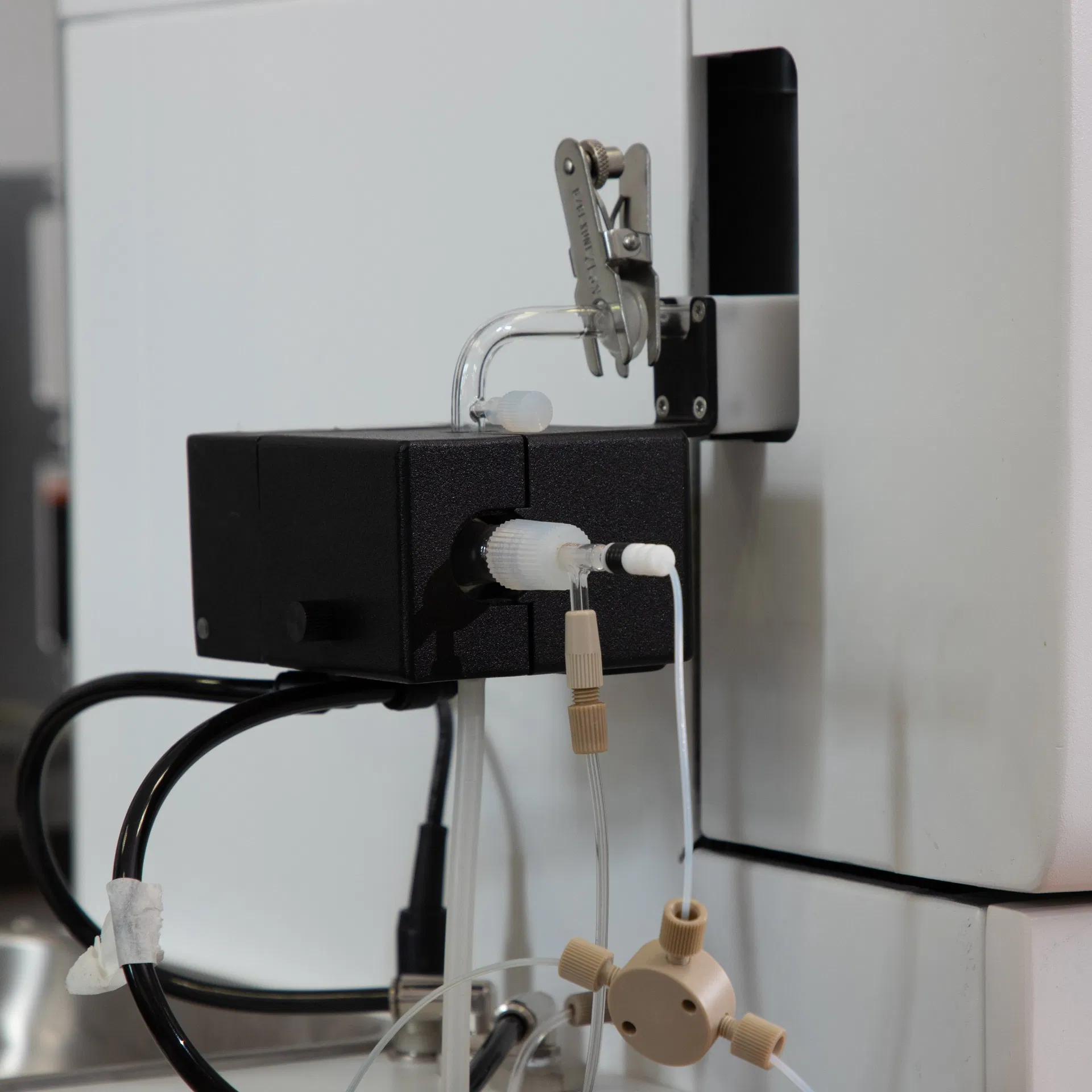
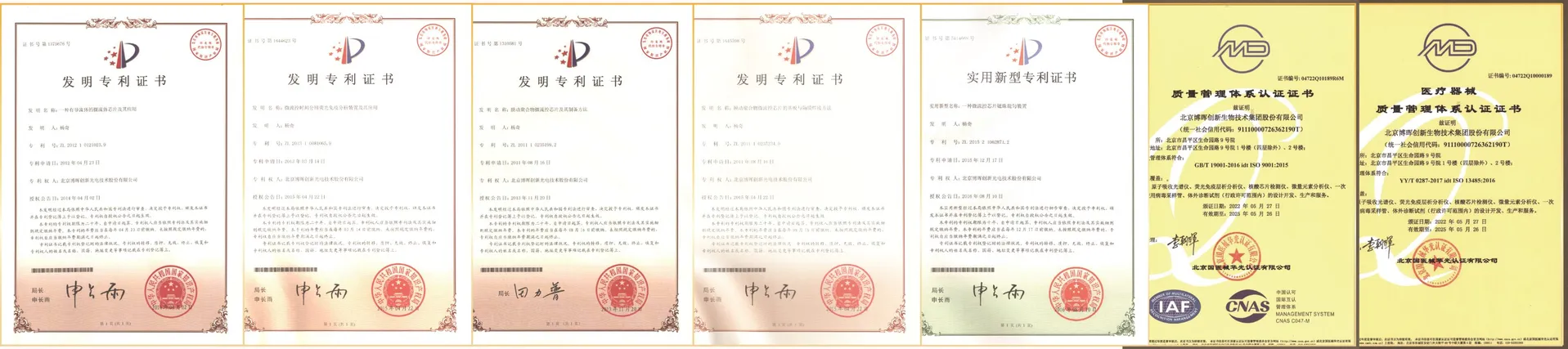
As a high-tech biomedical enterprise, the group integrates R&D, production, sales, and after-sales service. With a 40,000-square-meter integrated center, the company has established a professional R&D team and continuous technological innovation platforms including molecular diagnosis, immunoassay, atomic absorption, and mass spectrometry.


The human trace element detection system has been widely used in more than 4,000 hospitals, with an annual detection volume of up to 22 million person-times. Through advanced mass spectrometry analysis, we offer customers outstanding products and exceptional user experience.