Ocent Monitor
1 / 5
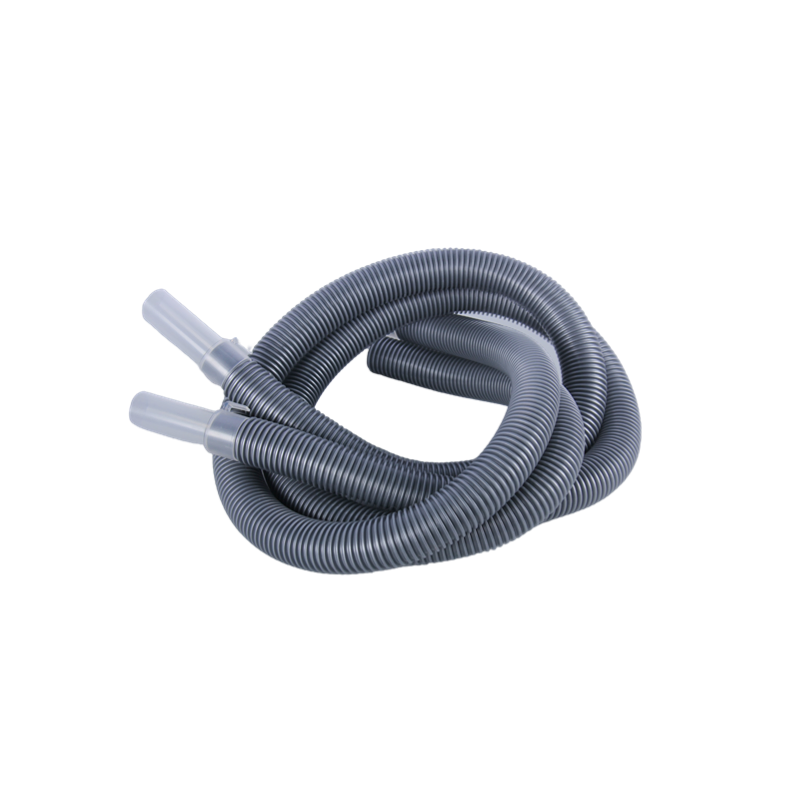
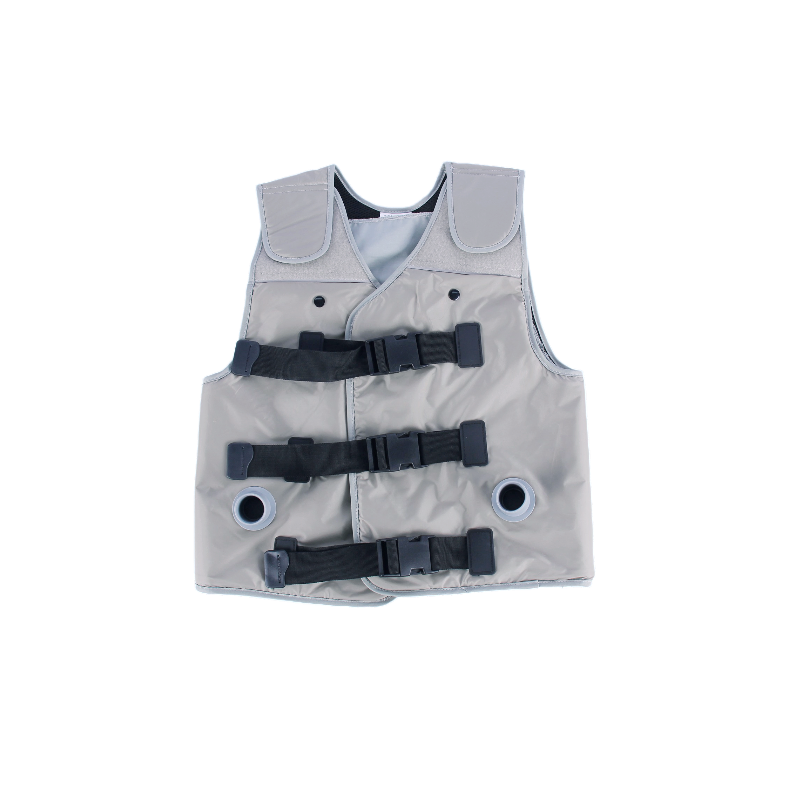
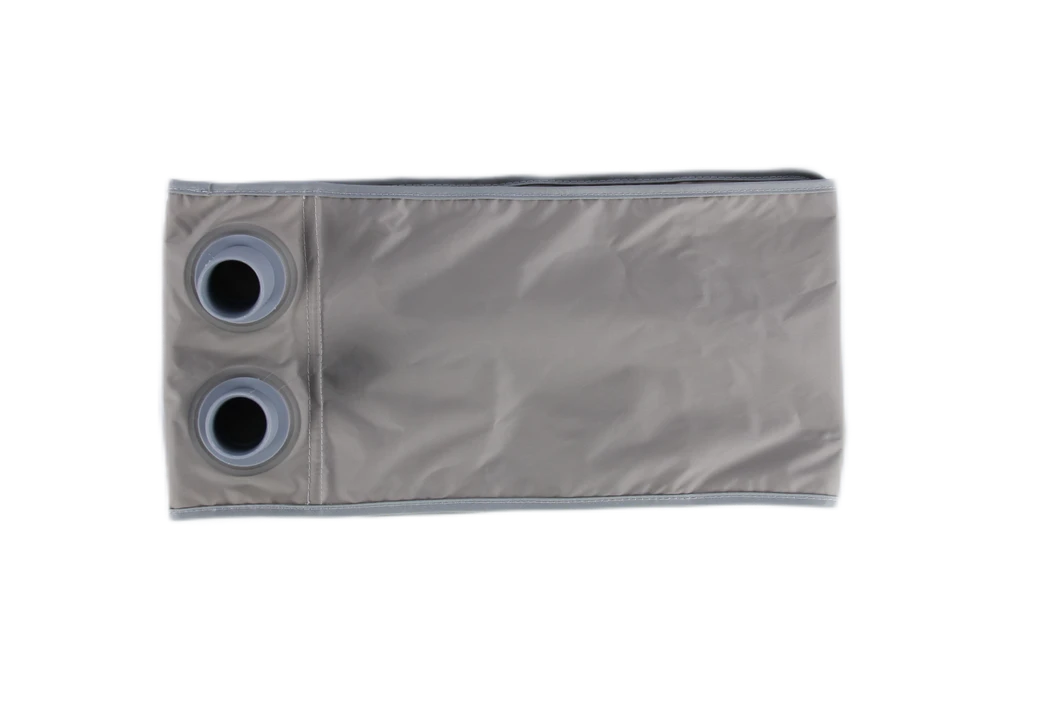
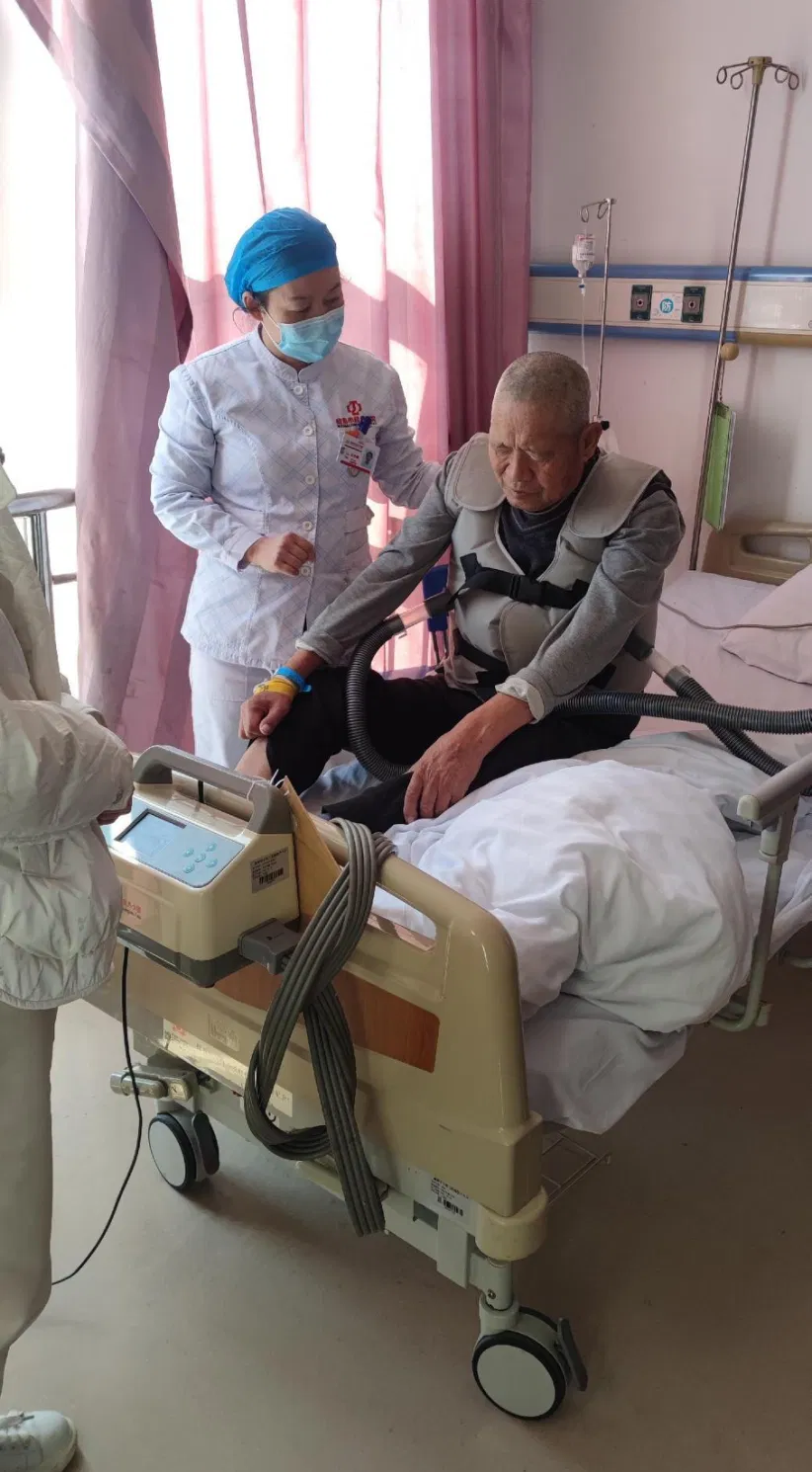
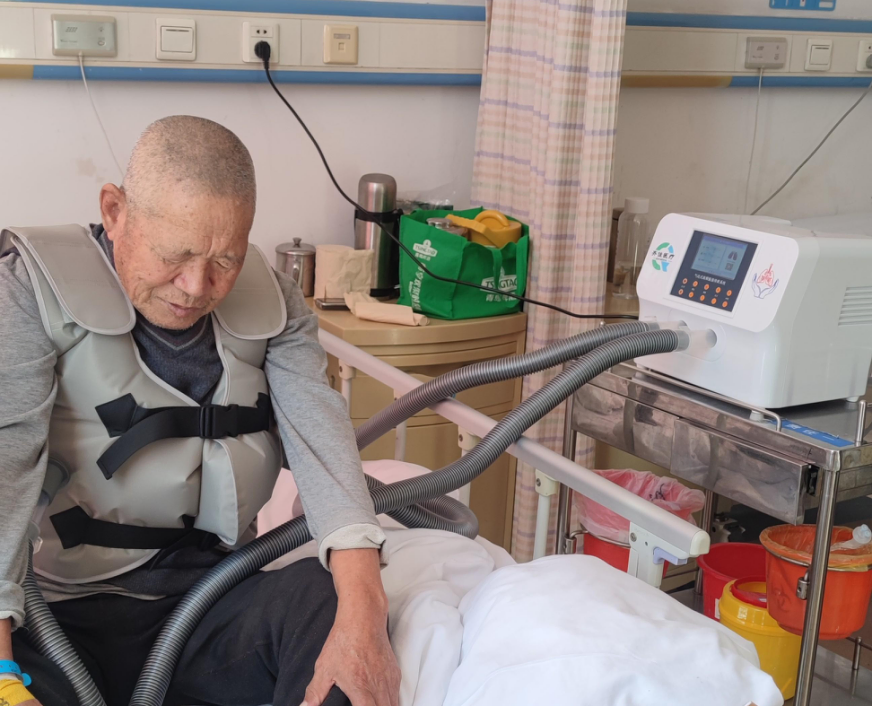
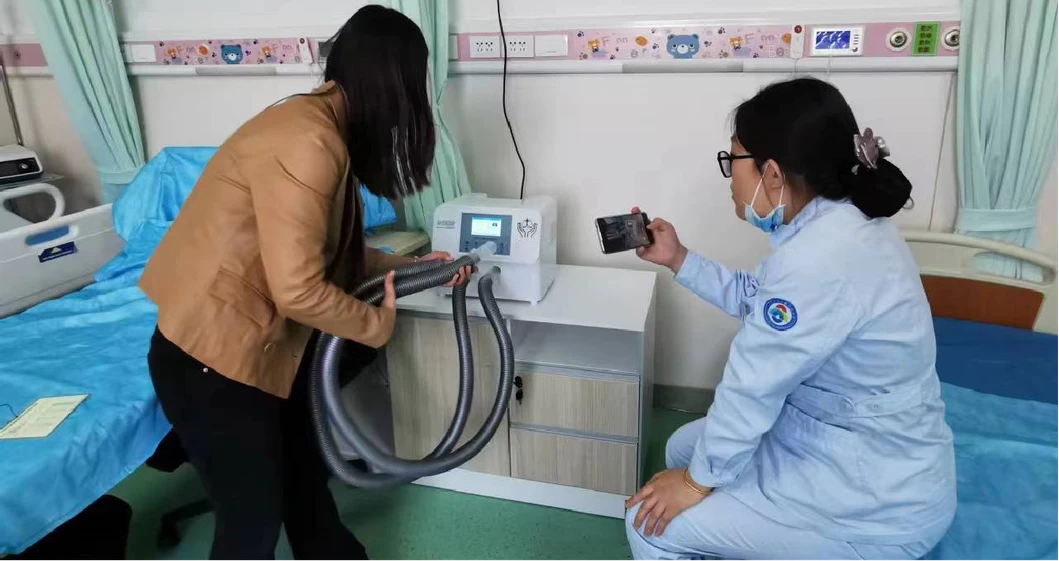
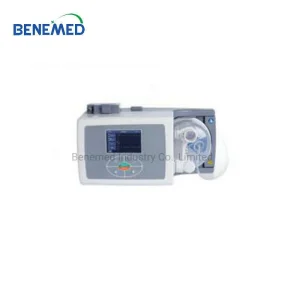
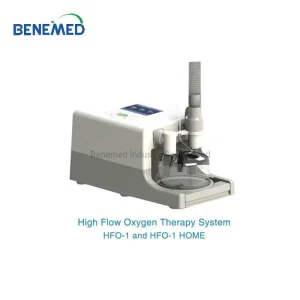
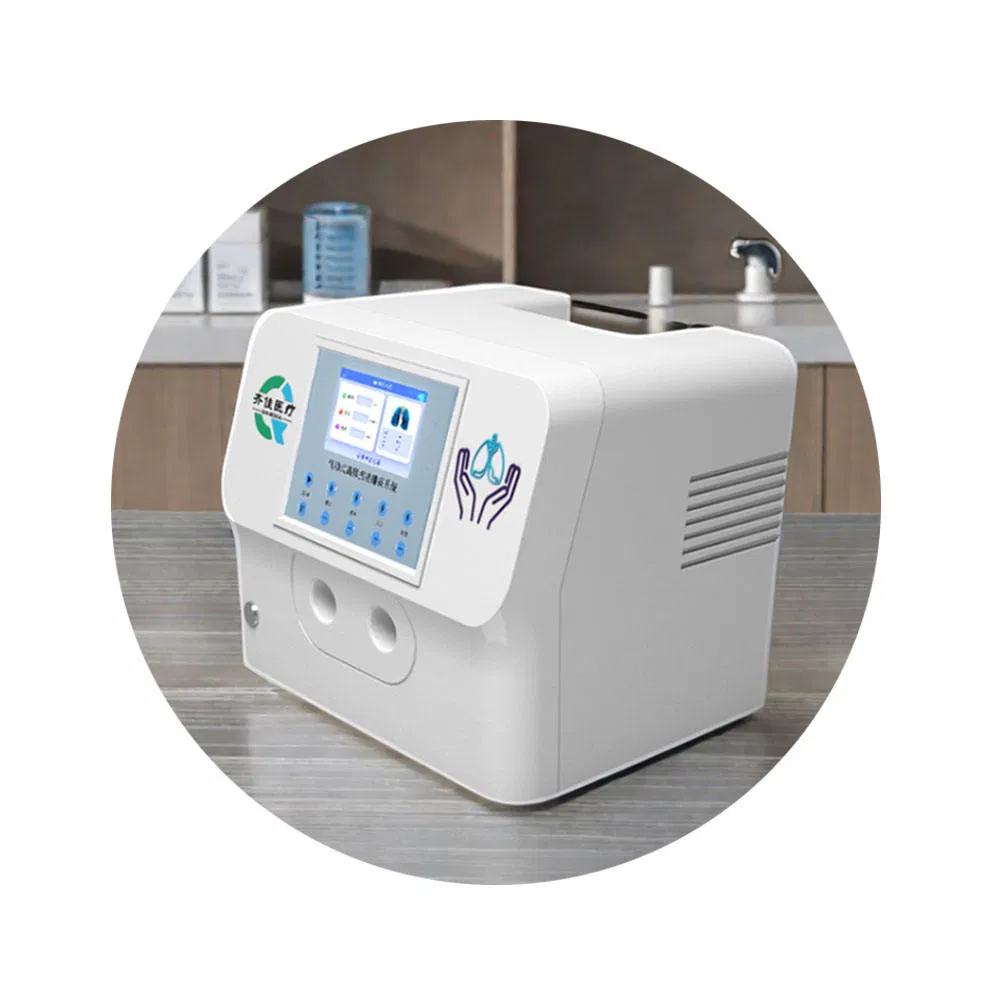
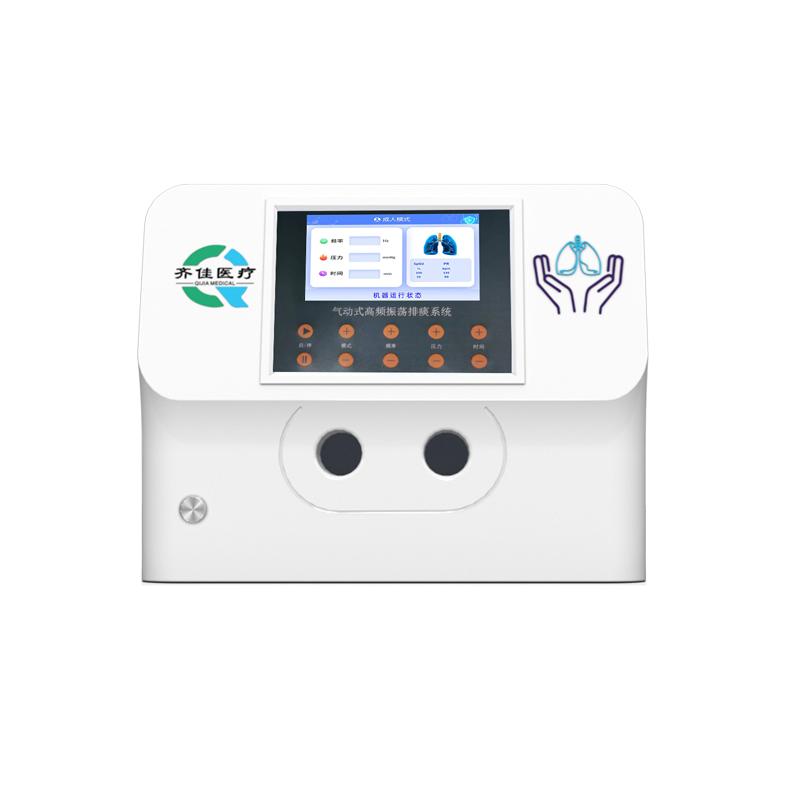
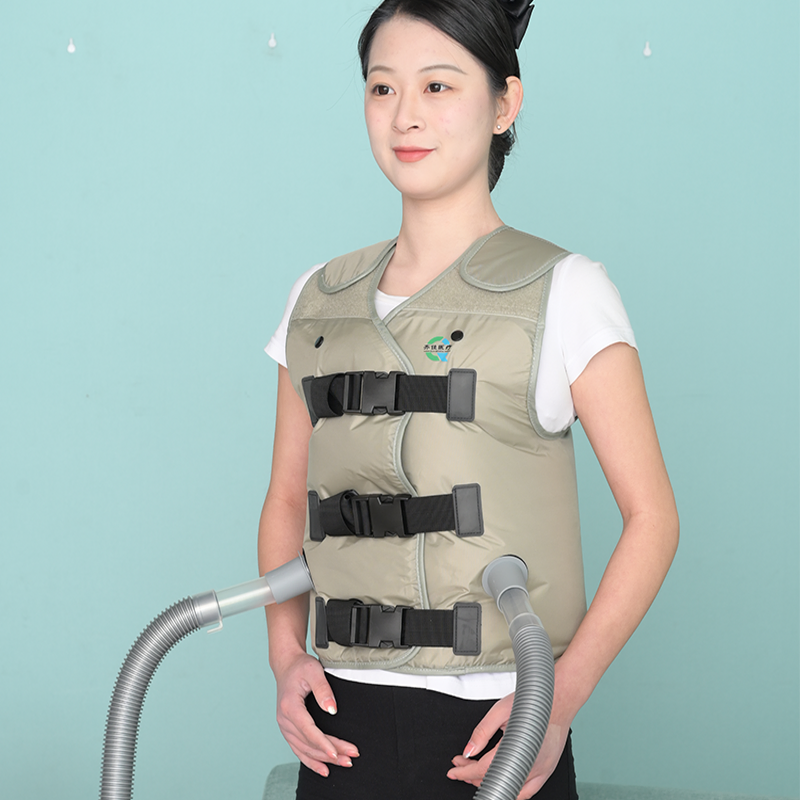
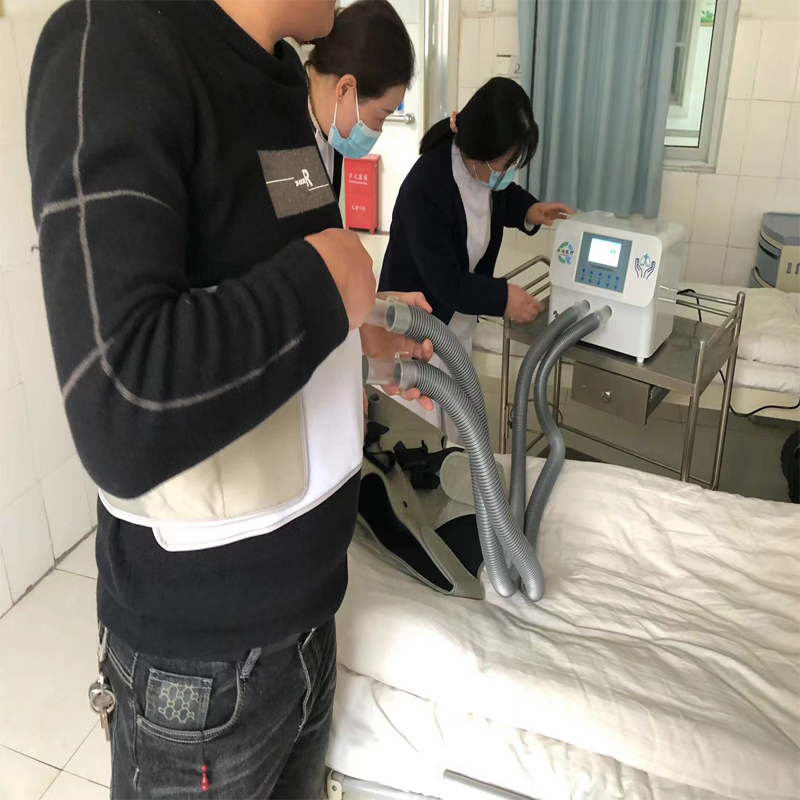
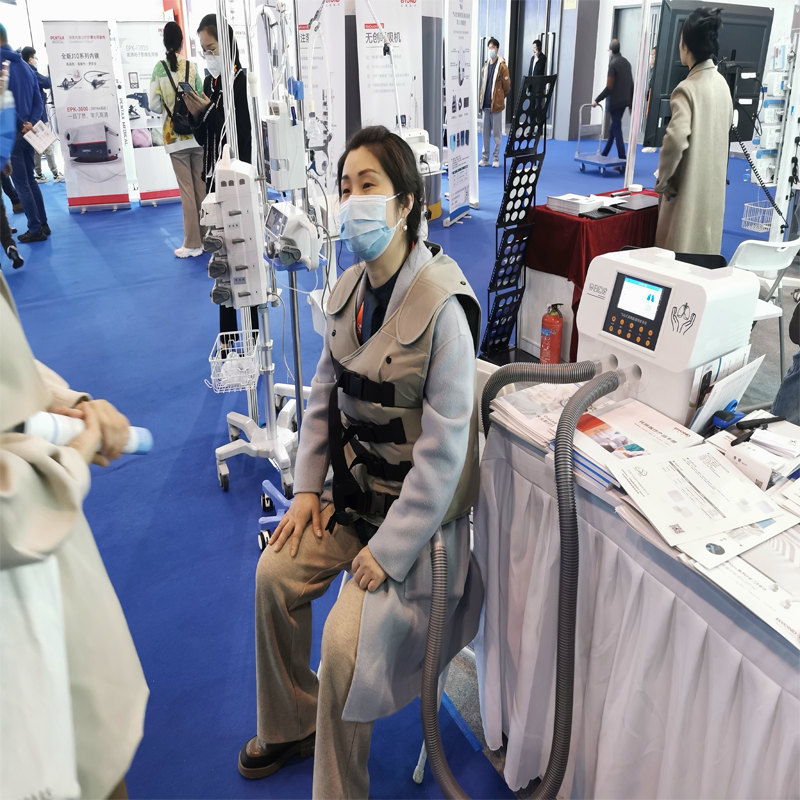
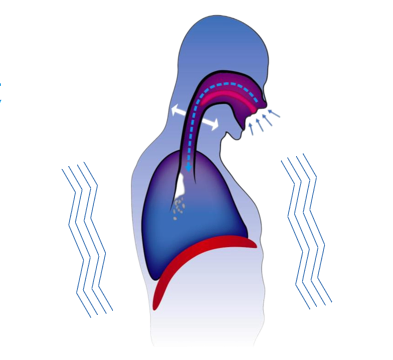
The pneumatic high-frequency oscillation expectoration system adopts HFCWO technology. Through pulse oscillation signals, the inflatable vest produces high-speed repetitive oscillation to:
Pneumology Oncology General Surgery ICU Neurology Pediatrics Emergency Geriatrics Orthopaedics
| Group | Day 1 | Day 2 | Day 3 |
| High-frequency oscillation group | 43.97±9.62 | 49.20±12.54 | 48.07±10.25 |
| Vibration expectoration group | 34.70±10.56 | 36.93±11.02 | 36.63±11.62 |
| Group | Pre-operation | After operation % | Ratio |
| High-frequency oscillation group | 92.30±1.02 | 97.46±0.97 | 1.05±0.01 |
| Vibration expectoration group | 92.26±0.97 | 95.88±1.03 | 1.03±0.01 |
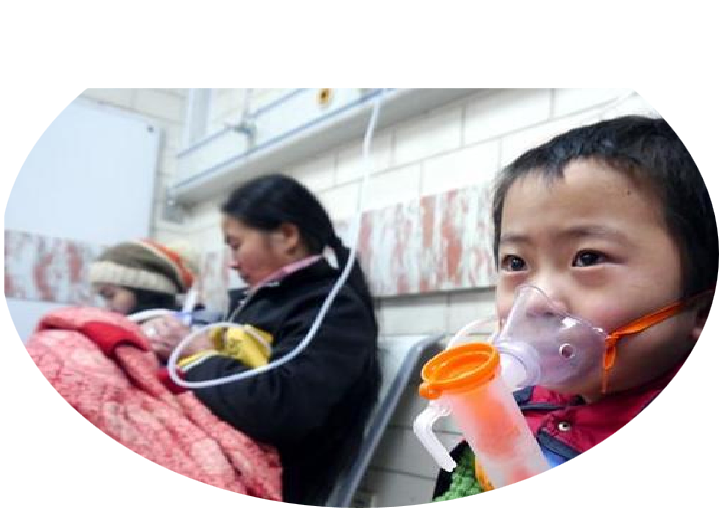
Cons: Potential physical damage from long-term use; relies on patient's autonomous cough ability.

Cons: Position dependent; inconsistent intensity; highly labor-intensive for staff.
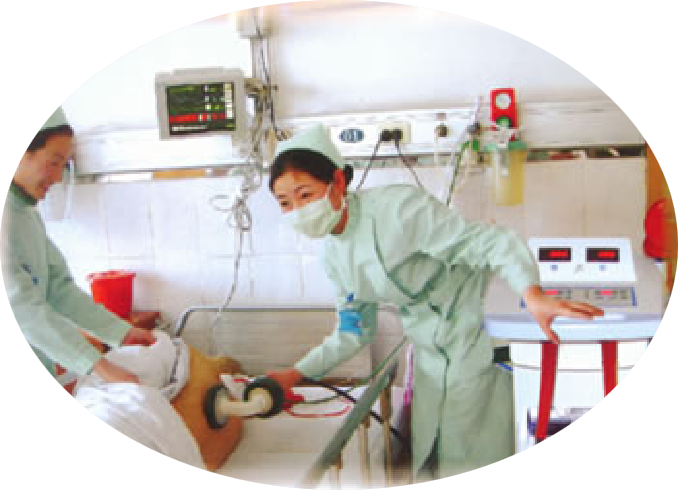
Cons: Heavy percussion heads; doesn't free up staff; risk of wrist injury.
More obvious expectoration effect compared to manual or vibration methods.
Reduces nursing workload by eliminating the need for real-time manual operation.
Easy to wear vest; no need for complex body positioning; well tolerated by patients.