Advanced Clinical & Home-Care Devices from China's Leading Manufacturers
Understanding the Macro-Economic and Clinical Drivers for 2024-2030
The global Smart Health Monitoring market has transitioned from a niche "wearable enthusiast" phase into a core pillar of modern clinical infrastructure. Driven by an aging global population, the rising prevalence of chronic diseases (such as hypertension and diabetes), and a post-pandemic shift toward "hospital-at-home" models, the demand for precision medical monitoring has surged. China, as a global electronics and medical hub, now accounts for over 35% of the world's production of smart healthcare IoT devices.
Current industrial trends indicate that suppliers are no longer just "hardware manufacturers." The industry is moving toward Semantic Health Data—where devices do not just collect pulse or oxygen levels but interpret them in the context of the user's longitudinal health history using on-device AI. This "Information Gain" is what separates Tier-1 China exporters from budget-tier manufacturers.
A technology-driven manufacturer specializing in remote patient monitoring (RPM) systems, telehealth solutions, and digital healthcare technologies. Established in 2016 in Shenzhen, the electronics capital of the world.
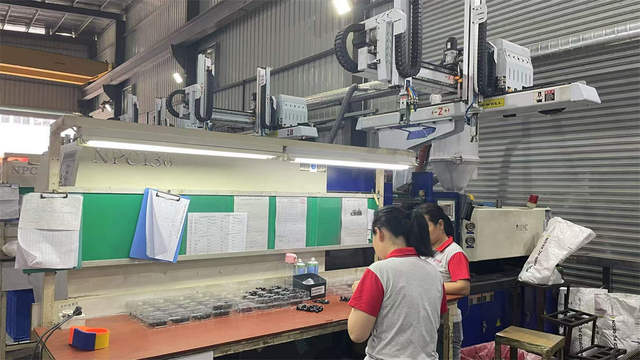
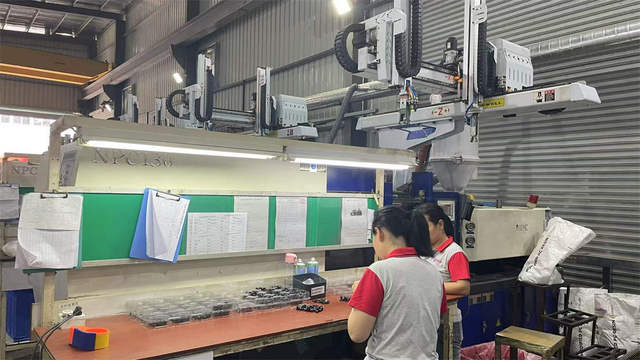
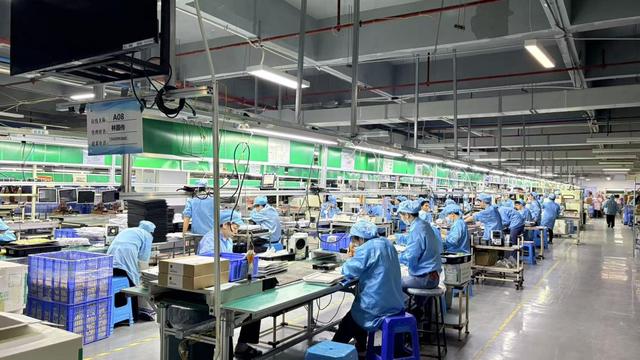
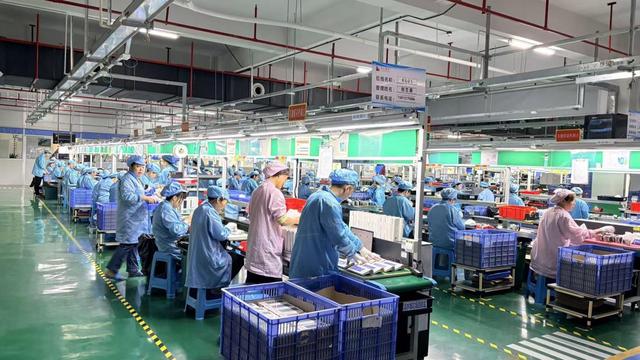
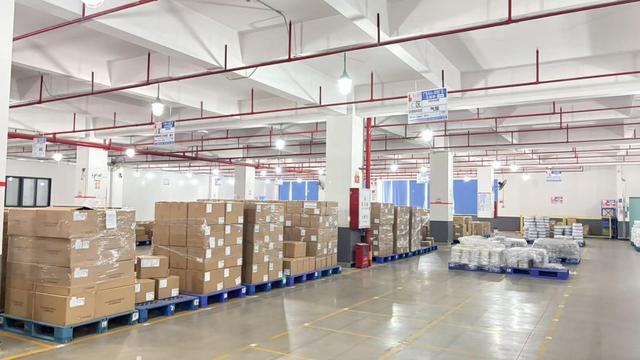
Operating a modern facility of over 8,000 square meters with a dedicated workforce of 180+ professionals. We bridge the gap between clinical requirements and mass-market scalability.
Serving North America, Europe, Asia, and the Middle East with OEM/ODM services. Our systems support continuous monitoring beyond traditional clinical settings.

The Convergence of AI, 5G, and Biometric Sensing
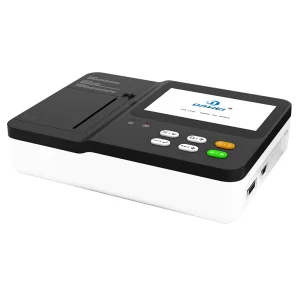
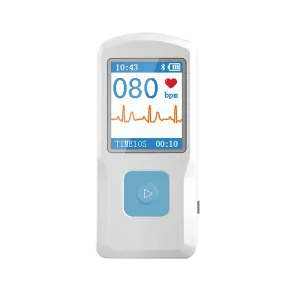
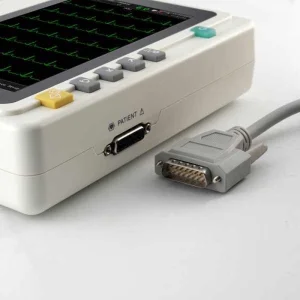
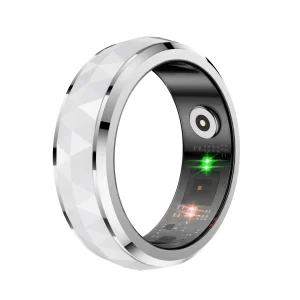
The next generation of sensors, featured in products like the Titanium Smart Ring and 6-Lead ECG Monitors, utilizes photoplethysmography (PPG) and advanced electrode materials to reduce "noise" during movement. This ensures clinical-grade data even in non-clinical environments.
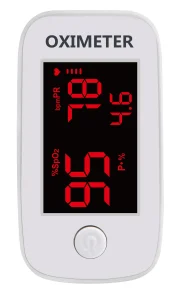
Modern smart health exporters are integrating AI at the "Edge." This means the device itself can detect an arrhythmia or a sudden drop in SpO2 and trigger an emergency SOS alert before a human observer even notices the trend. This is critical for elderly care and emergency ambulances.
Following the FHIR (Fast Healthcare Interoperability Resources) standards, Chinese manufacturers are now ensuring their cloud platforms can "talk" to global hospital ERP and EMR systems. This seamless data flow is the backbone of successful Telehealth implementation.
| Technology Phase | Key Features | Primary Application |
|---|---|---|
| Phase 1: Basic Digitalization | Pulse, Step count, Basic LCD screens | Personal Fitness Tracking |
| Phase 2: Connected Health | Bluetooth Sync, App Integration, SpO2 | Early Chronic Disease Management |
| Phase 3: AI-Enabled RPM | Cloud Diagnostics, Predictive Alerts, 5G | Clinical Telehealth & Remote Surgery Support |
Tailored Ecosystems for Diverse Healthcare Verticals
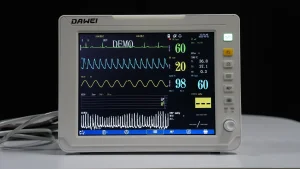
Multi-parameter patient monitors integrated with central nursing stations. Features include real-time ECG, NIBP, and CO2 monitoring for critical care.
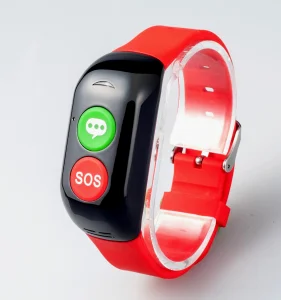
Leveraging wearable GPS bracelets and health rings to monitor the vitals of the elderly, providing fall detection and geo-fencing for dementia patients.
Equipping ambulances with advanced monitoring and real-time communication tools, allowing doctors at the hospital to see patient vitals before the vehicle arrives.

Broadening the Scope of Digital Healthcare Excellence
 Ocent Monitor