In an era defined by rapid demographic shifts and the increasing prevalence of chronic diseases, Population Wellness Monitoring (PWM) has transitioned from a niche healthcare vertical to a cornerstone of national public health strategy. The integration of the Internet of Medical Things (IoMT), high-speed 5G connectivity, and sophisticated data analytics has empowered governments and private healthcare providers to monitor health trends in real-time, moving from reactive treatments to proactive prevention.
This comprehensive guide explores the top-tier manufacturers and exporters leading this revolution, with a specific focus on the strategic advantages offered by the Chinese medical supply chain and the critical importance of localization and regulatory compliance in the global market. Whether you are a healthcare administrator in North America or a public health official in the Middle East, understanding the capabilities of these "Top 10" manufacturers is essential for building a resilient healthcare ecosystem.
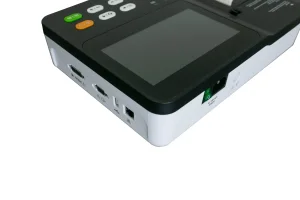
Shenzhen Ocent Monitor Co., Ltd. is a technology-driven manufacturer specializing in remote patient monitoring systems, telehealth monitoring solutions, and digital healthcare technologies. Established in 2016, the company is headquartered in Shenzhen, China, one of the world's leading innovation and electronics manufacturing hubs.
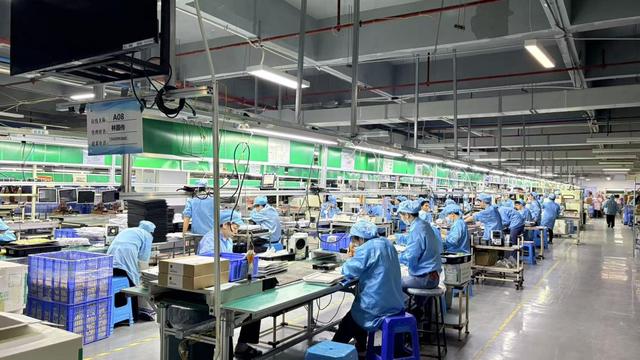
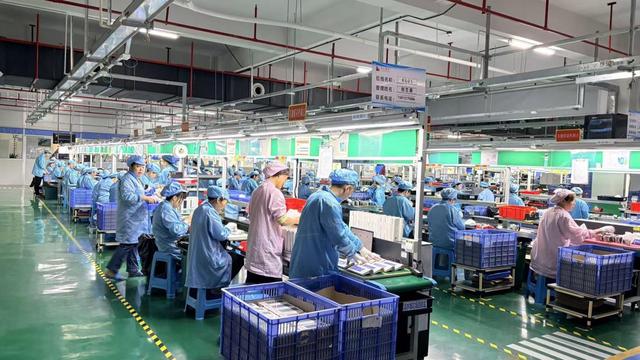
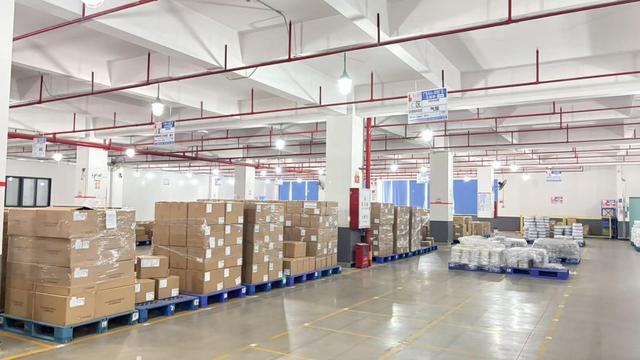
With a modern production facility covering more than 8,000 square meters and a workforce of over 180 employees, Ocent Monitor focuses on the design, development, and manufacturing of intelligent healthcare monitoring solutions for hospitals, clinics, long-term care facilities, and home healthcare providers worldwide.
Supported by an experienced engineering team and rigorous quality management processes, the company maintains strict production standards throughout product development and manufacturing. Ocent Monitor is committed to continuous innovation in connected healthcare technologies, enabling healthcare professionals to access real-time patient information and make informed clinical decisions.
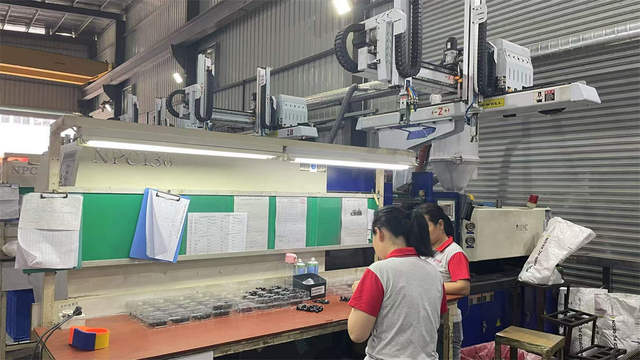


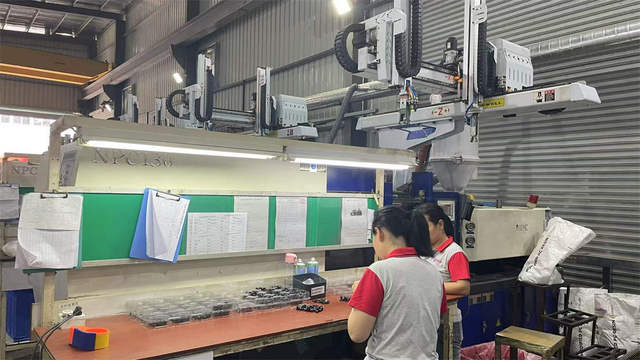
Located at the heart of the "Silicon Valley of Hardware," manufacturers like Ocent leverage a hyper-efficient supply chain. This translates to rapid prototyping, reduced lead times, and the ability to source medical-grade components at scale, providing a significant "Information Gain" in production transparency.
Top exporters prioritize international standards. From CE and FDA certifications to ensuring HIPAA and GDPR compliance for data security, these manufacturers ensure that Population Wellness systems can be deployed seamlessly in any jurisdiction without legal hurdles.
True global leaders offer localized software interfaces, cloud server hosting in regional data centers (to comply with data sovereignty laws), and local technical support teams to assist with integration into existing Hospital Information Systems (HIS).
The industry is moving toward "Ubiquitous Monitoring". We are seeing a shift from bulky clinic-based machines to wearable "invisible" sensors. Manufacturers are now integrating:
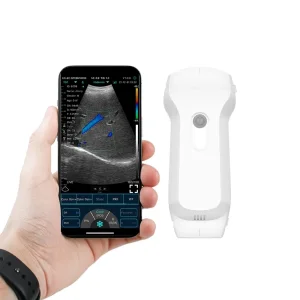
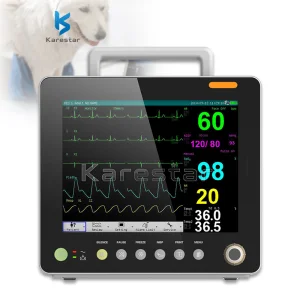
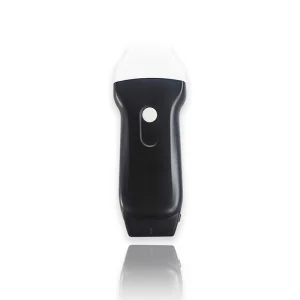
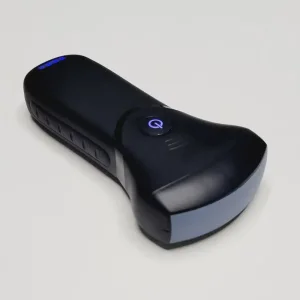
Deployment of handheld ultrasound probes and wireless vital signs monitors in remote towns allows for expert diagnosis via cloud link, bridging the urban-rural healthcare gap.
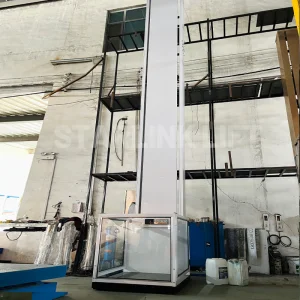
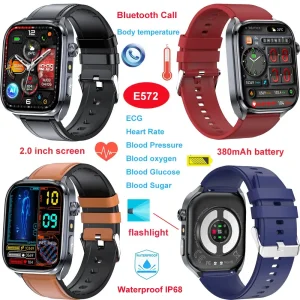
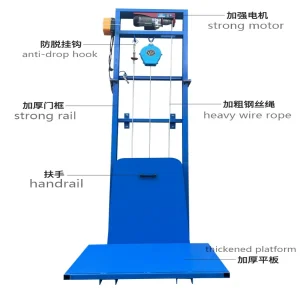
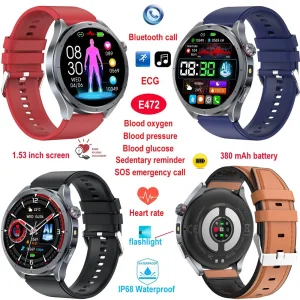
Implementing smart wristbands and vertical wheelchair lifts ensures a safer environment for the aging population, reducing falls and enabling constant health oversight.
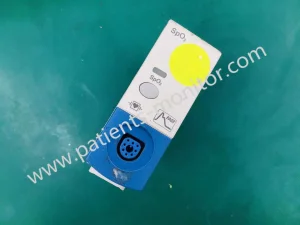
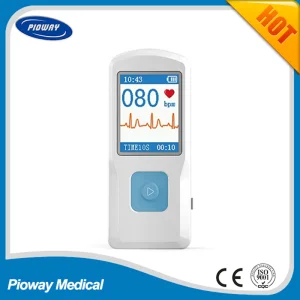
Continuous monitoring of blood pressure and SpO2 for diabetic or cardiac patients at home significantly reduces hospital readmission rates and healthcare costs.
Global buyers typically focus on medical-grade accuracy (verified by clinical trials), data security compliance (GDPR/HIPAA), API availability for integration, and robust after-sales support. Scalability is also key—the ability to deploy thousands of units across a population.
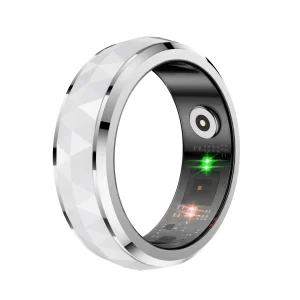
Shenzhen offers an unparalleled speed-to-market advantage. The proximity of R&D engineers to component suppliers allows for faster iteration of products like smart rings and wireless probes. Furthermore, the scale of production leads to significant cost efficiencies without compromising quality.
Ocent utilizes end-to-end encryption, multi-factor authentication, and region-specific cloud deployments. This ensures that sensitive patient data stays within the national borders if required by law, adhering to the highest standards of digital trust.
In SEO and health data, Information Gain refers to providing unique, actionable insights. For PWM, this means moving beyond raw data (like heart rate) to "Contextual Health Intelligence"—interpreting how that data impacts long-term wellness outcomes.

 Ocent Monitor