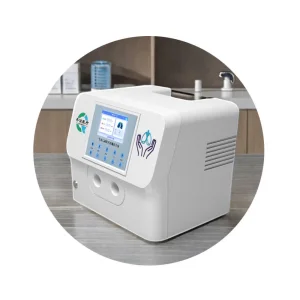
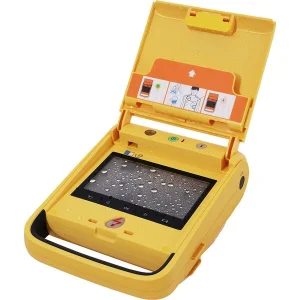
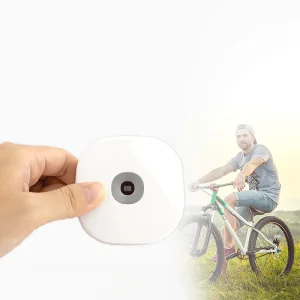
The global telehealth market is no longer a peripheral service; it has become the backbone of modern healthcare delivery. As of 2024, the industry is witnessing a massive transition from basic video consultations to complex Remote Patient Monitoring (RPM) and Internet of Medical Things (IoMT) ecosystems. Telehealth consulting manufacturers are now at the forefront of this digital revolution, providing the essential hardware and software integration that allows doctors to monitor patients in real-time across borders.
The demand for high-quality telehealth consulting is driven by an aging global population, the rising prevalence of chronic diseases, and the critical need to reduce hospital readmission rates. Major markets in North America and Europe are increasingly adopting "Hospital-at-Home" models, necessitating robust suppliers who can provide clinical-grade devices that are user-friendly for non-professionals.
Shenzhen Ocent Monitor Co., Ltd. is a technology-driven manufacturer specializing in remote patient monitoring systems, telehealth monitoring solutions, and digital healthcare technologies. Established in 2016, the company is headquartered in Shenzhen, China, one of the world's leading innovation and electronics manufacturing hubs.
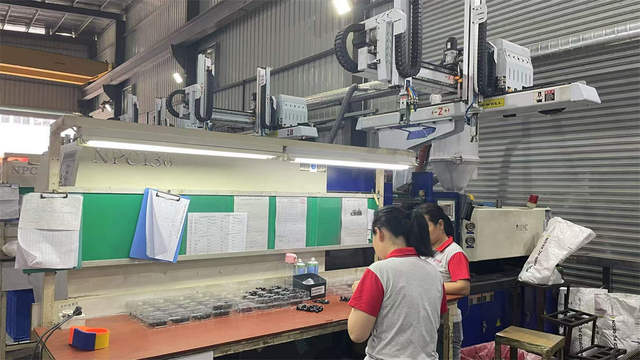
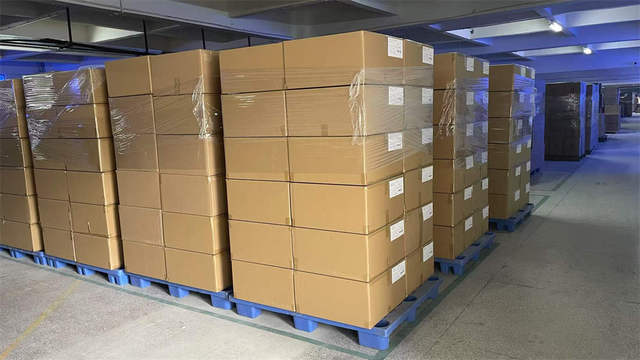
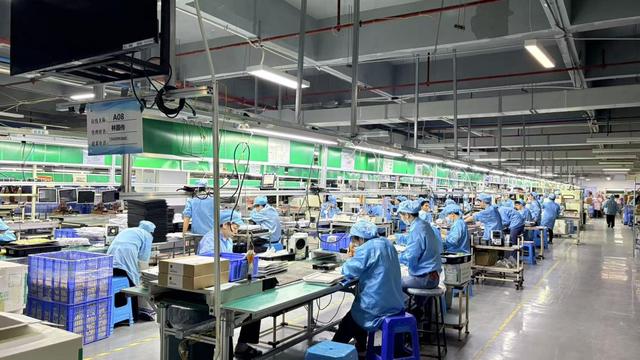
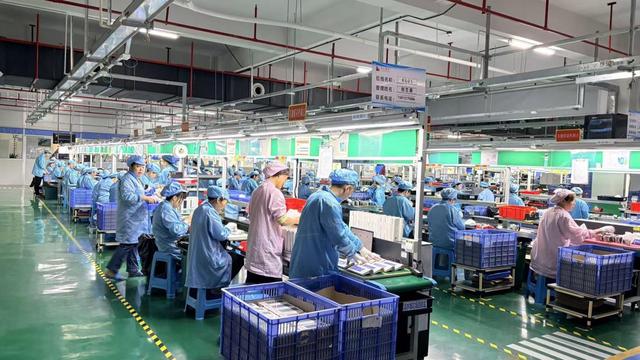
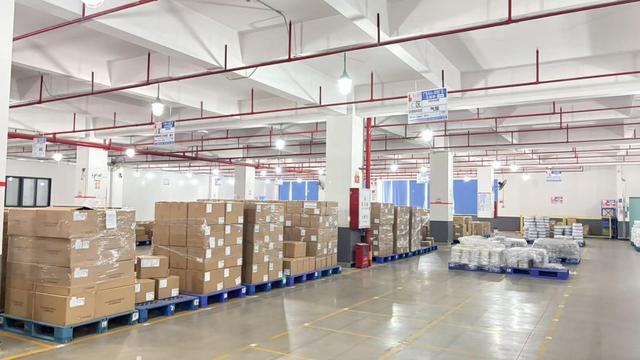
With a modern production facility covering more than 8,000 square meters and a workforce of over 180 employees, Ocent Monitor focuses on the design, development, and manufacturing of intelligent healthcare monitoring solutions for hospitals, clinics, long-term care facilities, and home healthcare providers worldwide.
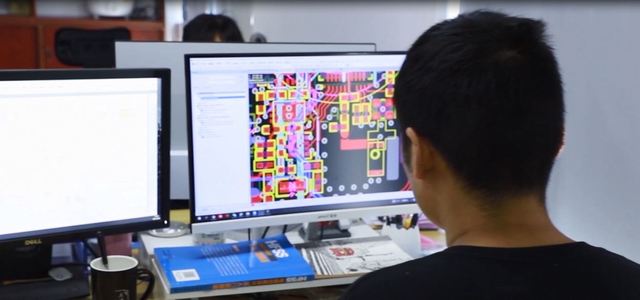
Continuous investment in sensor technology, cloud connectivity, and clinical-grade data management to ensure precision in every reading.
Providing tailored solutions for international brands, adapting to diverse regulatory requirements and localized healthcare applications.
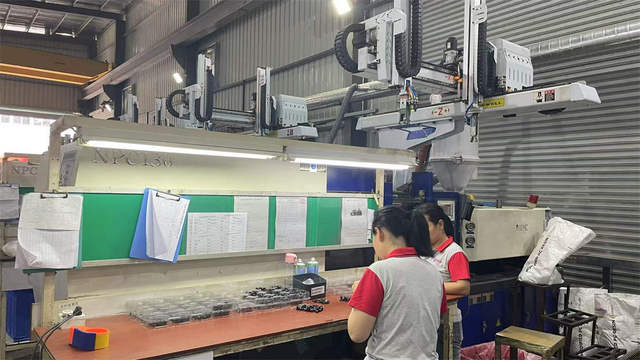
Rigorous production standards maintained throughout the product development lifecycle, ensuring reliability in critical medical settings.
The "Shenzhen Advantage" is more than just cost-efficiency; it is about the Speed of Innovation (Time-to-Market). In the telehealth sector, where technology cycles are rapid, being located in China's Silicon Valley allows manufacturers like Ocent Monitor to prototype, iterate, and mass-produce advanced medical IoT devices faster than anywhere else in the world.
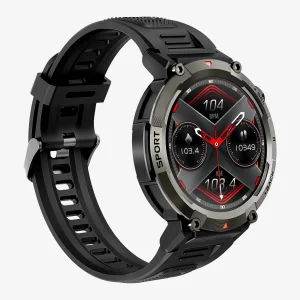
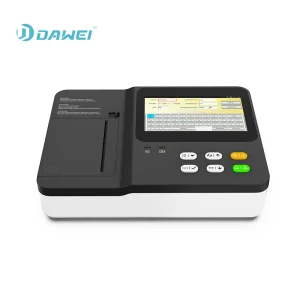
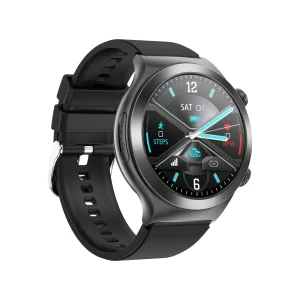
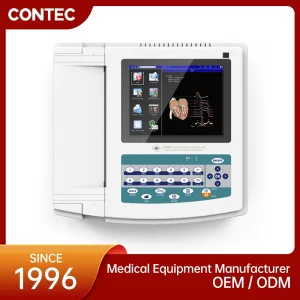
Continuous monitoring of vital signs for patients with hypertension or diabetes using wearable smartwatches and cloud-connected ECG machines.
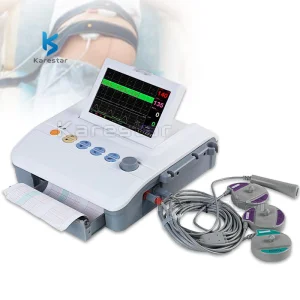
Utilizing negative pressure monitoring ambulance trucks equipped with wireless patient monitors to stabilize patients during transit.
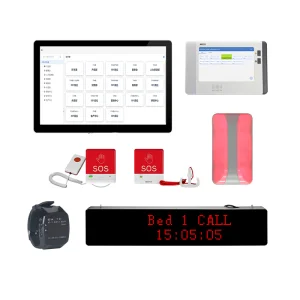
Nurse call systems and medical alert alarms using LoRaWAN technology to ensure the safety of the elderly in long-term care facilities.
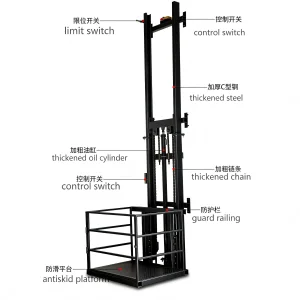
Vest-style airway clearance systems and specialized stair lifts designed to improve the quality of life during post-operative recovery.
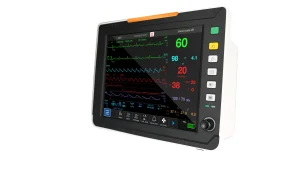
Portable 12.1-inch monitors providing surgeons with real-time feedback and printer options for immediate clinical documentation.
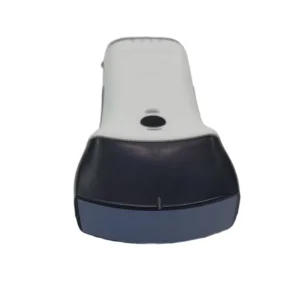
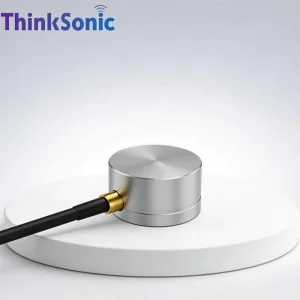
Clinical-grade handheld ultrasound probes that allow gynecological and small parts imaging to be performed and shared remotely.
The future of telehealth is increasingly proactive rather than reactive. We are moving toward a world where AI-driven analytics predict health crises before they happen. For global enterprises and procurement officers, the focus is shifting toward "Semantic Interoperability"—the ability for different devices to share data seamlessly across different software platforms.
Key trends to watch include the rise of Edge Computing in medical wearables, which allows for real-time data processing on the device itself, reducing latency for critical alerts. Furthermore, the integration of Cybersecurity protocols like HIPAA and GDPR compliance is becoming a non-negotiable requirement for manufacturers in the international market.

 Ocent Monitor