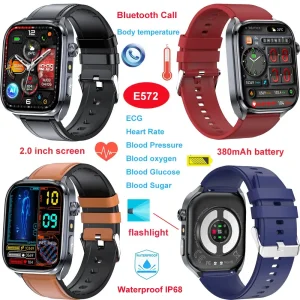
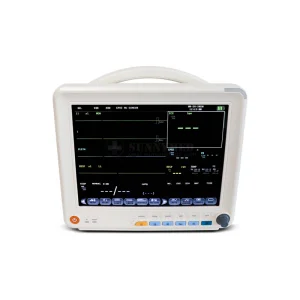
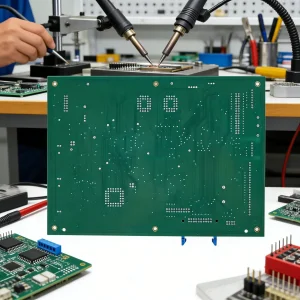
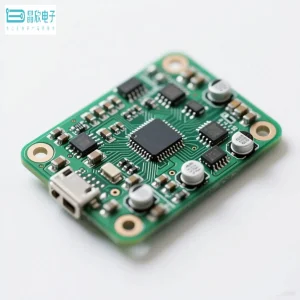
The global healthcare landscape is witnessing an unprecedented transition from reactive clinical visits to proactive, continuous health surveillance. As cardiovascular diseases (CVDs) remain the leading cause of global mortality, the demand for high-fidelity, medical-grade wearable ECG (Electrocardiogram) devices has skyrocketed. This white paper explores the critical success factors of the Top 10 Wearable ECG Devices Supplier & Exporters, analyzing why manufacturers like Shenzhen Ocent Monitor Co., Ltd. are at the forefront of this digital health revolution.
Modern wearable ECG devices are no longer mere lifestyle gadgets; they are sophisticated medical instruments capable of detecting Atrial Fibrillation (AFib), bradycardia, and tachycardia with clinical precision. For global procurement officers, identifying the right supplier involves navigating a complex matrix of regulatory compliance, sensor technology, and data security.
The roadmap for ECG technology is defined by three core pillars: Miniaturization, Intelligent Analysis, and Battery Longevity. Top exporters are currently investing heavily in "Smart Sensing" that moves beyond traditional wet electrodes.
Transitioning from gel-based electrodes to conductive polymers and textile-based sensors allows for 24/7 wearability without skin irritation, a critical factor for long-term patient compliance.
Instead of sending raw data to the cloud, modern devices utilize Edge-AI to filter noise and identify cardiac anomalies locally, reducing latency and saving battery life.
Leading suppliers are integrating Photoplethysmography (PPG) for continuous heart rate tracking and ECG for "spot-check" medical validation, providing a holistic view of arterial health.
B2B buyers today seek integrated solutions rather than standalone hardware. The "Top 10" suppliers are distinguishing themselves through specialized ecosystems:
Shenzhen Ocent Monitor Co., Ltd. is a technology-driven manufacturer specializing in remote patient monitoring systems, telehealth monitoring solutions, and digital healthcare technologies. Established in 2016, the company is headquartered in Shenzhen, China, one of the world's leading innovation and electronics manufacturing hubs.
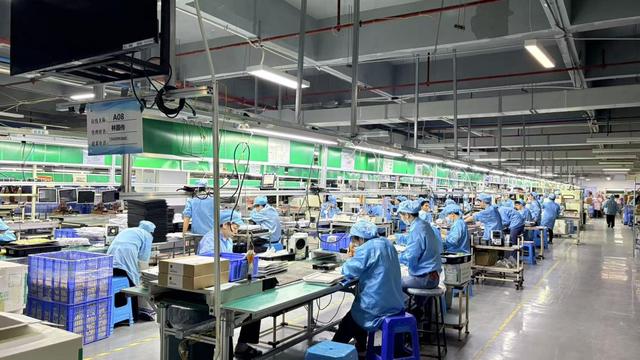
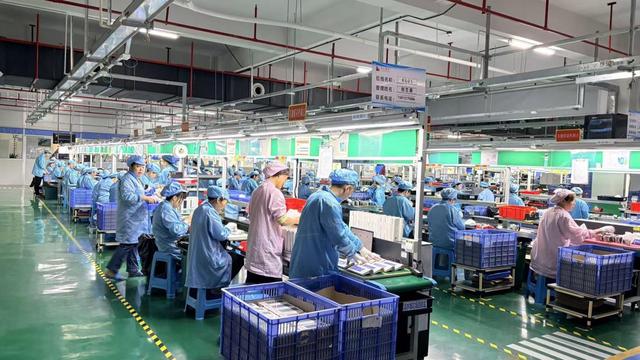
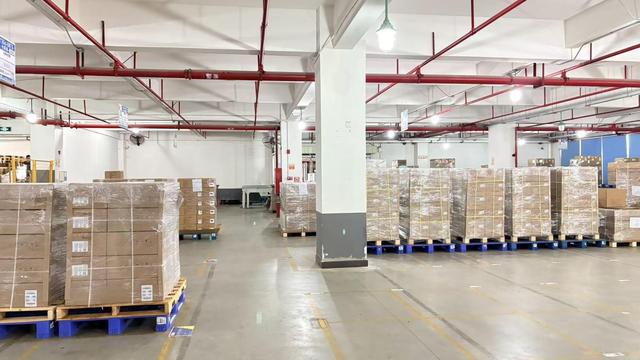
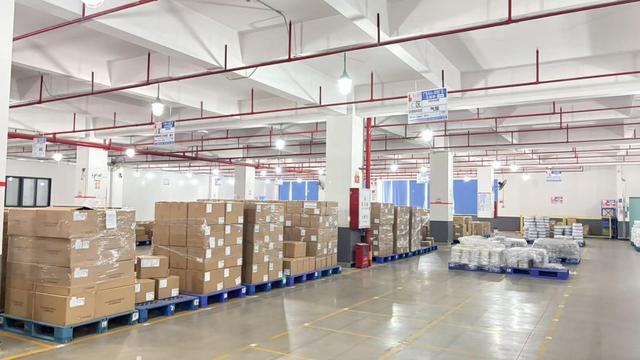
With a modern production facility covering more than 8,000 square meters and a workforce of over 180 employees, Ocent Monitor focuses on the design, development, and manufacturing of intelligent healthcare monitoring solutions for hospitals, clinics, long-term care facilities, and home healthcare providers worldwide.
The company's product portfolio includes remote patient monitoring systems, wireless vital sign monitoring devices, telehealth platforms, chronic disease management solutions, wearable health monitoring technologies, and healthcare IoT integration systems. By combining advanced sensor technology, cloud connectivity, and data management capabilities, Ocent Monitor helps healthcare organizations improve patient engagement, enhance care efficiency, and support continuous health monitoring beyond traditional clinical settings.
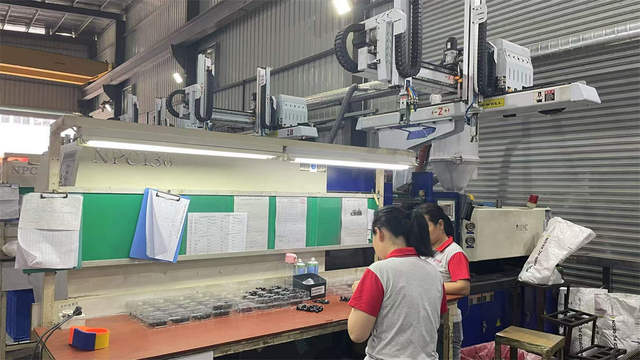
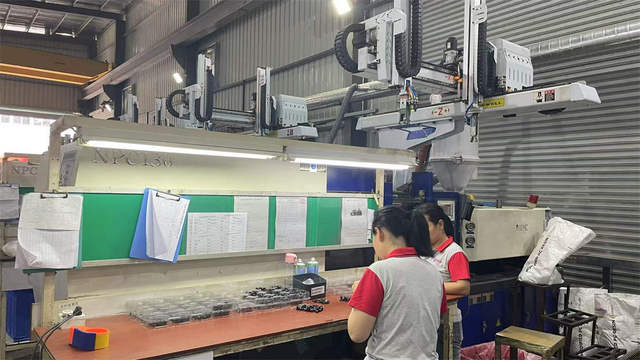
The competitive edge of Chinese exporters like Ocent Monitor lies in the "Factory 4.0" framework. This involves the integration of IoT within the manufacturing process to ensure 100% traceability and quality control.
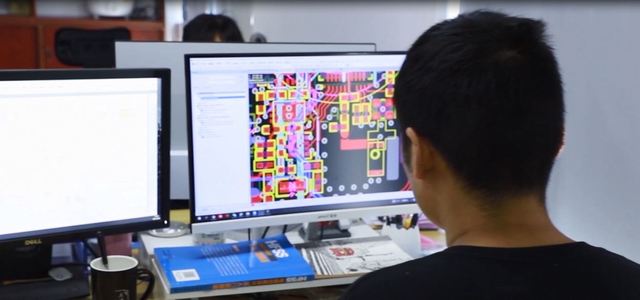
High-precision SMT lines for compact medical circuitry.
Manufacturing Execution Systems for real-time production tracking.
Triple-layer testing including AOI, ICT, and FCT.
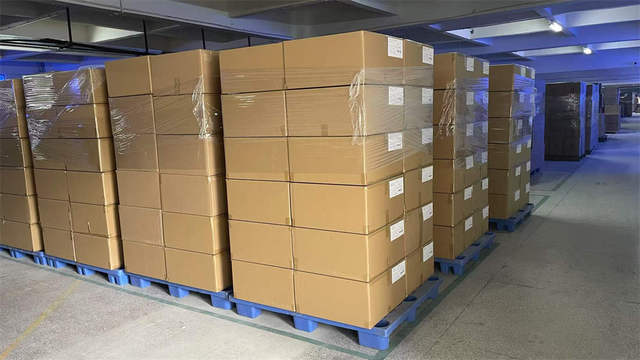
Direct integration with Shenzhen's global shipping hubs.
For global enterprises, compliance is non-negotiable. Leading exporters must maintain a robust regulatory portfolio to ensure seamless market entry.
True partnership extends beyond the product. Ocent Monitor provides:
A: While a 12-lead ECG provides a full spatial view of the heart, medical-grade wearables provide high-accuracy Lead-I rhythm strips, sufficient for detecting AFib and long-term trends with over 95% sensitivity.
A: Yes, we provide comprehensive RESTful APIs and SDKs for both iOS and Android to allow seamless data flow into your existing healthcare ecosystem.
A: For standard configurations, lead times range from 4-6 weeks. Custom ODM projects involve a structured NPI (New Product Introduction) process typically taking 3-6 months.
 Ocent Monitor