The global telehealth market is no longer a futuristic concept but a multi-billion dollar reality that defines modern healthcare. As health systems worldwide face the triple challenge of aging populations, rising chronic disease prevalence, and soaring operational costs, smart telehealth solutions have emerged as the primary vehicle for sustainable care delivery. By leveraging 5G, AI, and medical-grade IoT sensors, providers are now extending the clinical environment into the patient's home.
The Remote Patient Monitoring (RPM) segment is expected to grow at a CAGR of 18.5% through 2030, driven by the shift toward value-based care in North America and Europe.
Artificial Intelligence is now being used to predict cardiovascular events via wearable ECG data, providing "Information Gain" that traditional clinical visits cannot match.
Major healthcare networks are adopting "Hospital-at-Home" models, utilizing portable vital sign monitors to reduce readmission rates and bed occupancy.
Choosing a China-based manufacturer for telehealth solutions offers unparalleled advantages in speed-to-market, supply chain resilience, and technological integration. Shenzhen, as the "Silicon Valley of Hardware," provides a unique ecosystem where R&D and mass production coexist within a 10km radius.
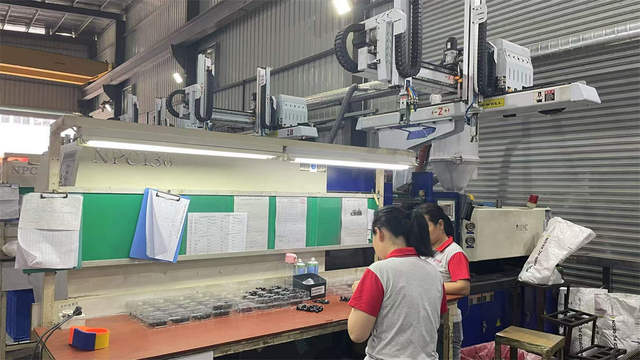
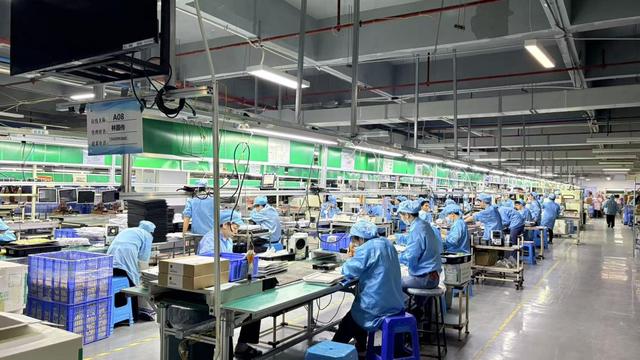
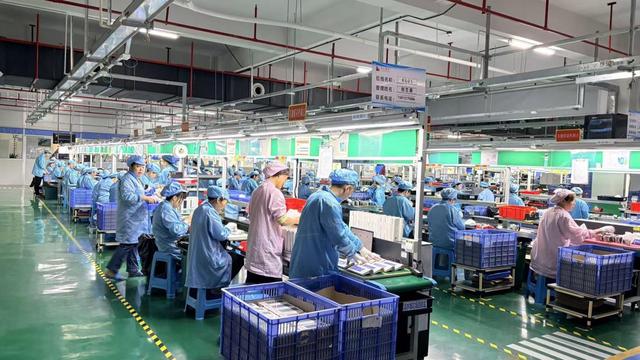
Our Shenzhen facility utilizes automated SMT lines and rigorous testing protocols that ensure a defect rate of less than 0.1%, significantly lower than global industry averages.
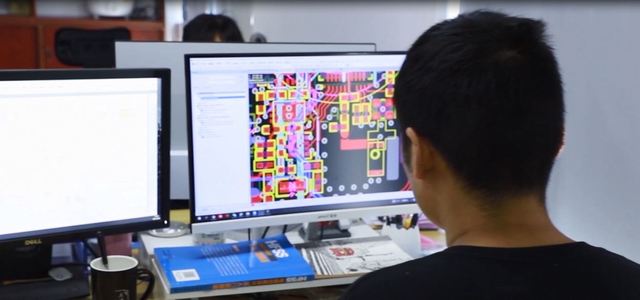
Unlike traditional suppliers, we develop the firmware, the API, and the mobile application interface in-house, ensuring seamless data flow from the sensor to the clinician's dashboard.
We support white-labeling and deep customization, allowing global healthcare brands to deploy "localized" solutions that comply with regional data privacy laws like HIPAA and GDPR.
Shenzhen Ocent Monitor Co., Ltd. is a technology-driven manufacturer specializing in remote patient monitoring systems, telehealth monitoring solutions, and digital healthcare technologies. Established in 2016, the company is headquartered in Shenzhen, China, one of the world's leading innovation and electronics manufacturing hubs.
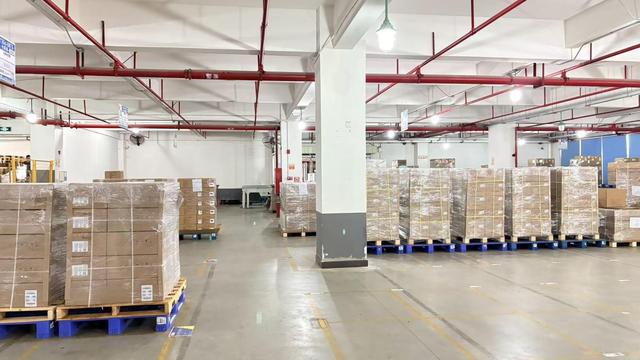
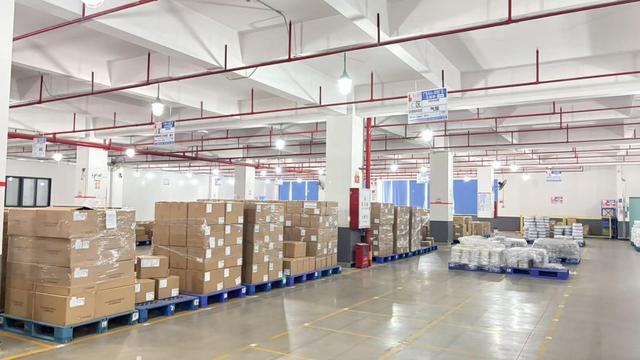
With a modern production facility covering more than 8,000 square meters and a workforce of over 180 employees, Ocent Monitor focuses on the design, development, and manufacturing of intelligent healthcare monitoring solutions for hospitals, clinics, long-term care facilities, and home healthcare providers worldwide.
The company's product portfolio includes remote patient monitoring systems, wireless vital sign monitoring devices, telehealth platforms, chronic disease management solutions, wearable health monitoring technologies, and healthcare IoT integration systems. By combining advanced sensor technology, cloud connectivity, and data management capabilities, Ocent Monitor helps healthcare organizations improve patient engagement, enhance care efficiency, and support continuous health monitoring beyond traditional clinical settings.
Supported by an experienced engineering team and rigorous quality management processes, the company maintains strict production standards throughout product development and manufacturing. Ocent Monitor is committed to continuous innovation in connected healthcare technologies, enabling healthcare professionals to access real-time patient information and make informed clinical decisions.
Serving customers across North America, Europe, Asia, the Middle East, and other international markets, Shenzhen Ocent Monitor Co., Ltd. provides OEM and ODM services tailored to diverse healthcare applications and market requirements. Through ongoing investment in research and development, the company strives to deliver reliable, scalable, and future-oriented remote healthcare solutions that support the evolving needs of modern healthcare systems worldwide.
Smart telehealth solutions must be adaptable to different cultural, economic, and regulatory environments. We provide "Localized Information Gain" through customized software and hardware configurations.
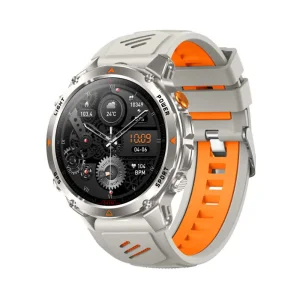
In regions like Europe and East Asia, our wearables track fall detection and nocturnal SpO2 levels, alerting family members or emergency services via integrated IoT clouds.
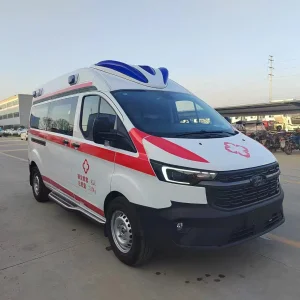
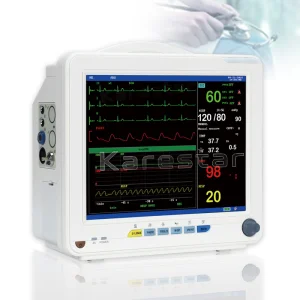
Our portable multi-parameter monitors are integrated into modern ambulances (e.g., Ford Emergency Transport), allowing real-time data transmission to ICU specialists while the patient is in transit.
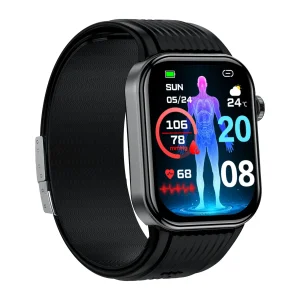
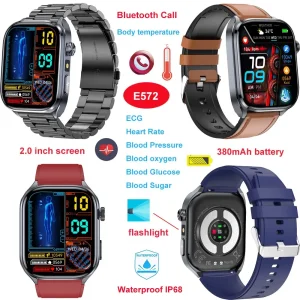
Smartwatches with ECG and BP monitoring are used by Fortune 500 companies in North America to provide preventative health programs for high-stress executive teams.
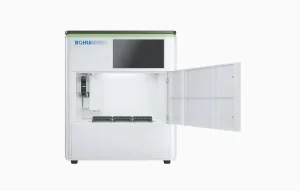
In developing markets, our budget-friendly real-time nucleic acid analysis and portable ECG machines enable sophisticated diagnostic capabilities in areas lacking specialist doctors.
Future devices will process data locally to provide instant alerts for arrhythmias, reducing the load on cloud servers and enhancing patient privacy.
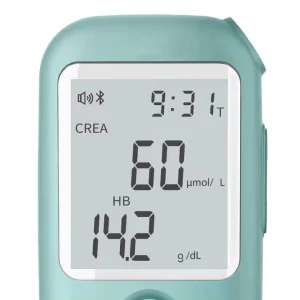
Moving away from single-function devices, the market is shifting towards hubs that measure glucose, creatinine, BP, and SpO2 in one handheld unit.
The ability for a Chinese manufacturer's device to talk directly to Epic or Cerner EMR systems is becoming the gold standard for global procurement.
Sourcing smart medical devices requires a deep understanding of compliance and scalability. As an industry leader, Ocent Monitor recommends focusing on three pillars:
Ensure the manufacturer holds ISO 13485, CE, and FDA clearances. Without these, global distribution and clinical use are legally restricted.
A "Smart" solution is only as good as its integration. We provide comprehensive SDKs for developers to build custom healthcare apps around our hardware.
Medical data is highly sensitive. Our systems use AES-256 encryption and end-to-end TLS protocols for all vital sign transmissions.
Our core difference lies in our R&D depth. We don't just assemble parts; we design the underlying biosensor algorithms that ensure clinical-grade accuracy in portable formats. Our facility is also one of the few that offers full IoT integration support.
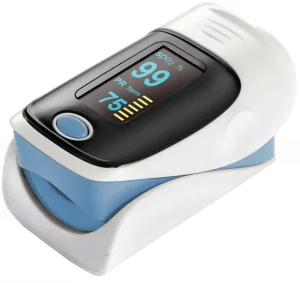
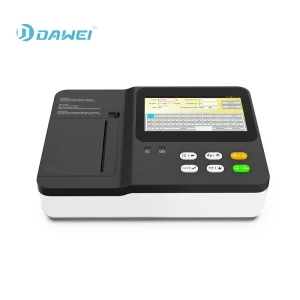
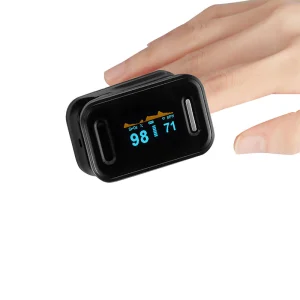
Yes. We offer open APIs and SDKs for most of our products, including our 3/6/12 channel ECG machines and pulse oximeters, allowing hospitals to integrate data into their existing HIS/EMR systems.
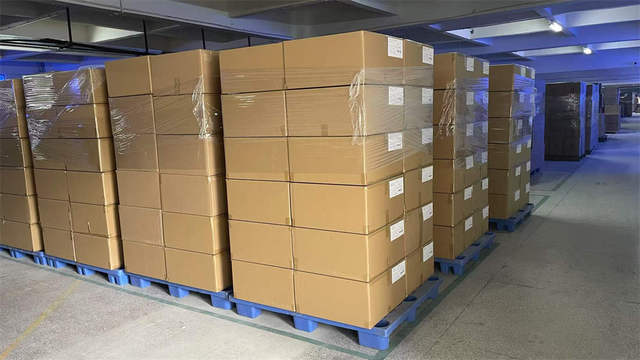
Standard OEM orders typically have a lead time of 4-6 weeks. For complex ODM projects involving custom hardware molds or proprietary sensor integration, the timeline usually ranges from 3 to 6 months including certification.
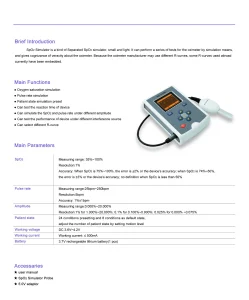
Each device undergoes a 5-step calibration process before leaving the factory. We use high-precision simulators (like our ECG/SpO2 Simulator device) to verify performance against clinical standards.
Yes, our firmware is optimized for packet-loss resilience. We use local caching on the device, ensuring that vital signs are recorded even if the Wi-Fi/4G connection is temporarily lost, and then synced once connectivity is restored.
 Ocent Monitor