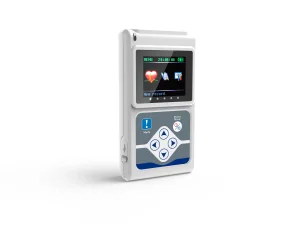
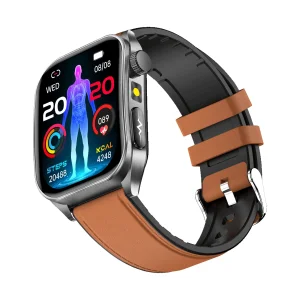
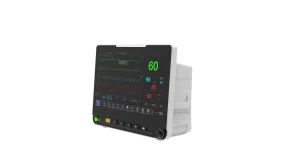
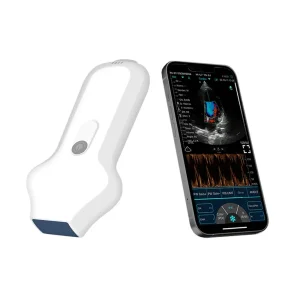
The global cardiovascular health landscape is undergoing a paradigm shift from reactive to proactive monitoring. In the European context, specifically within Slovakia, the integration of Remote Cardiac Monitoring (RCM) is no longer a luxury but a clinical necessity. As the Slovak Ministry of Health continues to bolster its e-Zdravie (e-Health) initiatives, manufacturers like Shenzhen Ocent Monitor Co., Ltd. are bridging the gap between advanced Chinese manufacturing efficiency and Central European medical standards.
Slovakia’s healthcare system, particularly in major hubs like Bratislava, Košice, and Prešov, is increasingly adopting telehealth to manage an aging population and rising cardiovascular disease (CVD) rates. The "Information Gain" here lies in the intersection of real-time AI analysis and localized data sovereignty. By deploying devices that comply with EU MDR (Medical Device Regulation) while offering the cost-advantages of Shenzhen's supply chain, Slovak healthcare providers can scale cardiac care to remote regions like the High Tatras or rural East Slovakia where specialist access is limited.
Increasing demand for portable ECG and 24/7 cardiac event recorders due to the digitalization of the National Health Information Center (NCZI). Focus on GDPR-compliant cloud transmission.
Shift toward Wearable Bio-sensors and "Hospital-at-Home" models. The RCM market is projected to grow at a CAGR of 12.5% through 2030, driven by AI diagnostics.
Shenzhen-based manufacturing offers 40% faster R&D cycles and integrated supply chains for semiconductor and sensor components, ensuring high-tier specs at competitive costs.
Shenzhen Ocent Monitor Co., Ltd. is a technology-driven manufacturer specializing in remote patient monitoring systems, telehealth monitoring solutions, and digital healthcare technologies. Established in 2016, the company is headquartered in Shenzhen, China, one of the world's leading innovation and electronics manufacturing hubs.
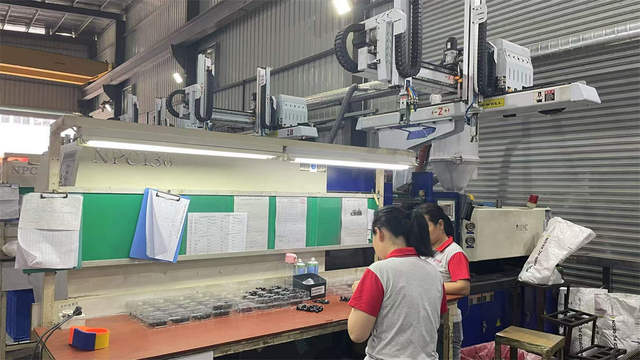
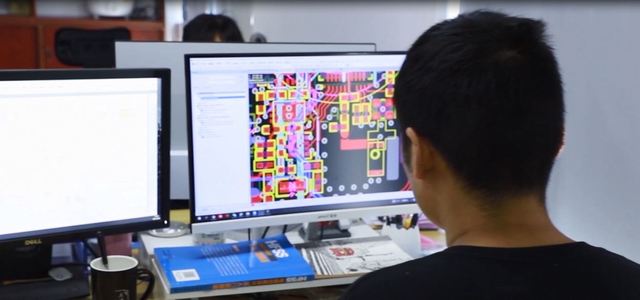
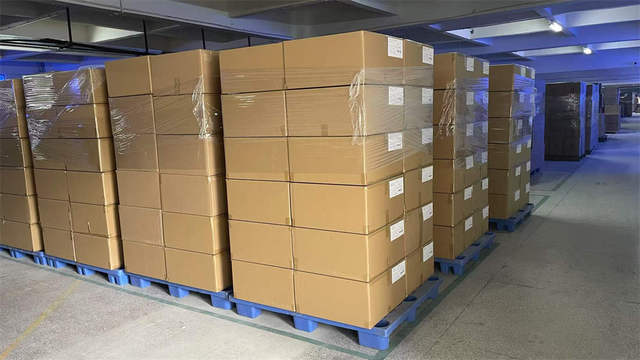
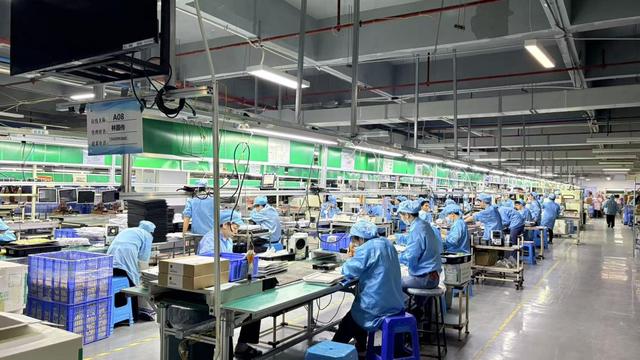
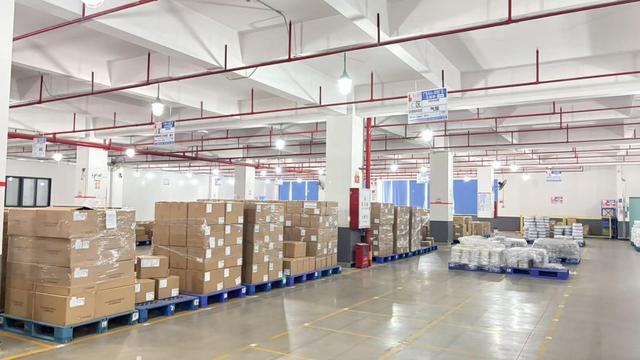
With a modern production facility covering more than 8,000 square meters and a workforce of over 180 employees, Ocent Monitor focuses on the design, development, and manufacturing of intelligent healthcare monitoring solutions for hospitals, clinics, long-term care facilities, and home healthcare providers worldwide. Our commitment to E-E-A-T principles ensures that every device—from a simple smart watch to a complex ICU monitor—meets rigorous international reliability standards.
Understanding the unique geographical and systemic layout of Slovakia allows us to provide targeted cardiac solutions:


For Slovak procurement directors and global healthcare investors, selecting a remote cardiac monitoring manufacturer requires a deep look at data integration capabilities. Future trends include Zero-Footprint Software (browser-based cardiac analysis), Edge Computing on the device to filter noise from actual AFib events, and Sustainable Supply Chains.
Global demand is surging for OEM/ODM services that can customize software languages—such as providing Slovak language interfaces for patient-facing apps—to increase adherence in the local population.
Yes, our products are designed to meet CE (MDR) standards. We ensure that all data transmission protocols used in Slovakia comply with GDPR (General Data Protection Regulation) and local NCZI cybersecurity requirements.
Our telehealth platforms support HL7 and FHIR protocols, allowing for seamless integration with major Electronic Medical Record (EMR) systems used in Bratislava and other Slovak medical centers.
Shenzhen provides an unparalleled innovation ecosystem. We offer high-frequency hardware updates, superior AI algorithms for arrhythmia detection, and a cost-to-performance ratio that allows Slovak healthcare budgets to cover more patients compared to traditional Western European brands.
Absolutely. We provide full customization, including branding, local language software localization, and hardware modification to meet the specific procurement needs of the Slovak health sector.
 Ocent Monitor